
Food Packing Work Guide: Careers, Techniques, and Industry Trends
Food packing work sits at the center of food safety and efficient distribution. This guide explains the full packaging flow from receiving materials to sealing, inspection, case packing, and palletizing, plus the real-world methods and techniques used on modern lines (like MAP, vacuum packaging, and verified date coding). You’ll also get a grounded overview of role types, skill building, and how major industry trends such as sustainability requirements, improved traceability using GS1 identifiers, and increased automation are changing daily packaging operations.
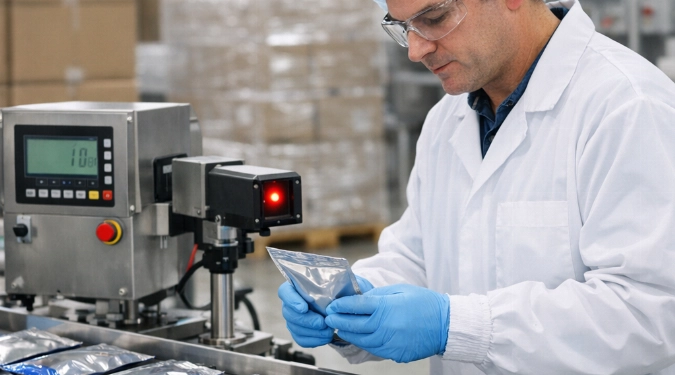
Food packing work is where safety, speed, and precision meet. This guide breaks down what the work actually looks like day to day, how to learn more about food packing work through clear process steps, which packaging techniques are common on real lines, and how the industry is changing under new rules and consumer expectations.
What Food Packing Work Includes
Food packing work covers preparing, portioning, packing, sealing, labeling, coding, and case packing products so they can ship safely and meet retailer and regulator requirements. In many facilities, the work is organized around a production line, with standard operating procedures, quality checks, and sanitation tasks built into every shift.
Because packaged foods fall under federal oversight, plants typically align procedures with FDA Current Good Manufacturing Practice and preventive controls under FSMA. For meat, poultry, and some egg products, facilities follow USDA-FSIS requirements, including sanitation standard operating procedures and label rules.
Learn Food Packaging Process From Receiving To Palletizing
If you want to Learn Food Packaging Process clearly, it helps to picture the flow from raw materials to finished pallets. Most lines follow a similar sequence, even when the product changes.
- Receiving and Staging: Ingredients and packaging (film, trays, cartons) are inspected, lot-coded, and staged to prevent mix-ups.
- Preparation and Portioning: Product is portioned by weight or count, often using multihead weighers for snacks or checkweighers for verification.
- Primary Packaging and Sealing: Items go into the first package that touches food, such as pouches, trays, or bottles.
- Inspection: Metal detectors or X-ray systems may be used, plus seal checks and label verification.
- Secondary Packaging: Primary packs are placed into cartons, shrink bundles, or display-ready cases.
- Case Packing and Palletizing: Cases are stacked, wrapped, labeled, and moved to cold storage or shipping.
Core Food Packing Methods Used On Modern Lines
Different products require different Food Packing Methods. Dry goods may run fast on vertical form-fill-seal equipment, while fragile items may need slower, gentler handling. Common setups include manual pack-out (hands-on placement into trays or cartons) and semi-automatic lines where operators feed product while machines form, fill, and seal.
Cold-chain items add complexity: packing must control exposure time, manage condensation, and protect seals. Many refrigerated and frozen operations rely on defined “time out of temperature control” limits and rapid transfer into coolers or blast freezers.
Food Packaging Techniques That Protect Quality And Compliance
Food Packaging Techniques are chosen to manage oxygen, moisture, light, and physical damage, while also supporting shelf-life and distribution. Modified Atmosphere Packaging (MAP) replaces the air in a pack with gases like nitrogen or carbon dioxide to slow spoilage, common in meats and fresh-cut produce. Vacuum packaging removes air to reduce oxidation and freezer burn, often used for proteins and cheese.
Other widely used techniques include induction sealing for tamper evidence on jars and bottles, and hot-fill with rapid cooling for certain beverages and sauces. Clear date coding is also central: many plants use inkjet or laser coders to print lot codes and “use by” dates, then verify them with vision systems.
Food Packaging Jobs And How Career Paths Typically Progress
Food Packaging Jobs span hands-on line roles and technical support work. Common role types include packaging operator, packer, labeler, case packer, palletizer operator, quality technician, sanitation team member, maintenance mechanic, and line lead. In practice, many Food Packing Careers grow by stacking skills: mastering changeovers, troubleshooting seals, reading production specs, and documenting quality checks.
Training often combines supervised line time with formal food safety and quality programs. Recognized credentials that may support advancement include HACCP training and SQF Practitioner learning paths, since many suppliers operate under GFSI-benchmarked schemes like SQF or BRCGS.
Food Packaging Industry Trends Shaping Daily Work
Food Packaging Industry Trends are changing what “good packing” looks like. Sustainability is driving lightweighting, recycled-content plastics, and fiber-based alternatives, which can require new sealing temperatures, different line speeds, and more attention to moisture sensitivity. Extended producer responsibility laws in some states are also pushing companies to track packaging materials more closely.
Traceability expectations are rising, with more use of GS1 identifiers (GTINs) and better lot-level data capture. Automation is expanding too: collaborative robots for case packing, automated guided vehicles in warehouses, and more vision inspection to catch label and seal defects before product ships.
Quality And Safety Habits That Matter On The Line
Day-to-day success in food packing work is built on consistent basics: correct hand hygiene and glove changes, allergen changeover controls, and immediate reporting of packaging defects like weak seals, pinholes, or misapplied labels. Many facilities use checklists at startup, hourly checks (weights, codes, seals), and documented corrective actions to stay audit-ready.
FAQs About Food Packing Work
Is Food Packing Work Mostly Manual Or Machine-Based?
It is usually a mix. Operators may load product, clear jams, and verify seals and labels while machines handle forming, filling, and sealing. The balance depends on product fragility, speed targets, and equipment investment.
What Skills Help Someone Succeed In Packaging Roles?
Attention to detail, comfort with repetitive tasks, and the ability to follow documented procedures are foundational. Basic mechanical aptitude helps with changeovers and minor troubleshooting, and clear communication matters during handoffs and quality holds.
What Are Common Packaging Defects To Watch For?
Typical issues include incomplete seals, wrinkled film in the seal area, incorrect labels, missing date codes, under- or over-weight packs, and case count errors. Many lines use checkweighers, vision systems, and seal tests to detect these early.
How Do Regulations Affect Packaging Decisions?
Labeling rules, allergen declarations, and preventive controls shape everything from label approval workflows to how packaging is stored and staged. Facilities also design procedures to pass audits and demonstrate traceability from ingredient lots to finished cases.
Conclusion
This Food Packing Work Guide covered the real workflow from receiving to palletizing, the most common food packing methods and packaging techniques used to protect safety and shelf-life, practical career paths across packaging roles, and the trends reshaping materials, automation, and traceability. Use these details to learn more about food packing work with a clearer picture of what happens on the line and why it matters.
Disclaimer: The information provided in this article is for educational and informational purposes only. It does not constitute professional advice. Readers should conduct their own research and consult with qualified professionals before making any decisions.