
Fatty Liver: Major Warning Signs You Should Never Ignore
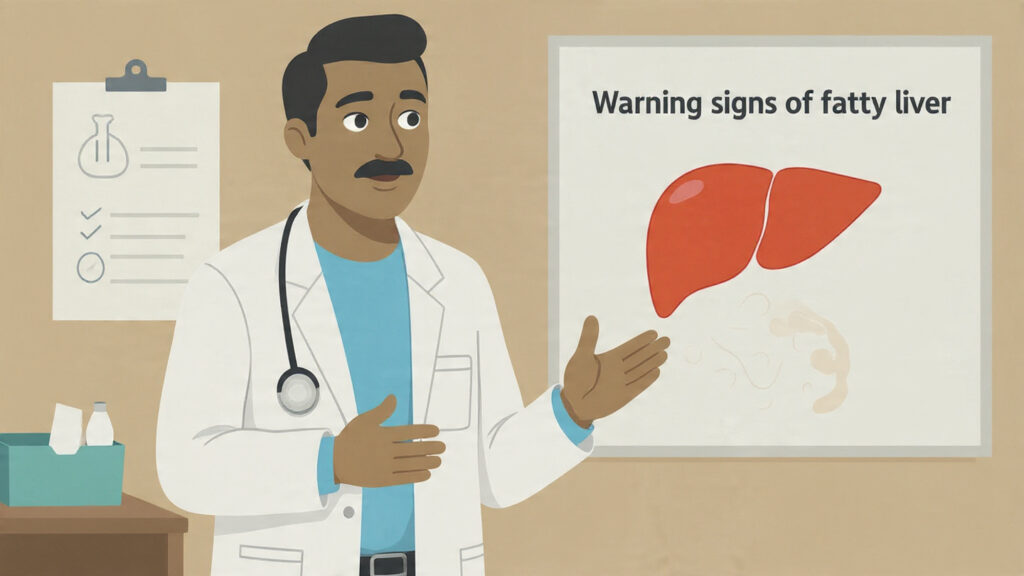
Fatty liver disease is a common condition that often develops silently, without obvious symptoms in its early stages. Many people search phrases like “fatty liver attack” when they experience sudden or concerning symptoms. Medically, there is no formal condition called a fatty liver attack—but the term is commonly used to describe acute symptom flare-ups or warning episodes that signal liver stress or progression of disease. Understanding these warning signs is critical, especially for individuals in the USA living with risk factors such as obesity, diabetes, or metabolic conditions.
Understanding Fatty Liver Disease
Fatty liver disease occurs when excess fat accumulates in liver cells. While some fat is normal, problems arise when fat makes up more than 5–10% of the liver’s weight. The liver plays a central role in digestion, detoxification, and blood sugar regulation. When fat interferes with these functions, inflammation and tissue damage can develop over time. The two primary types of fatty liver disease are:
- Non-Alcoholic Fatty Liver Disease (NAFLD): The most common form, often linked to excess weight, insulin resistance, high cholesterol, or metabolic syndrome
- Alcoholic Fatty Liver Disease (AFLD): Caused by prolonged excessive alcohol intake
In early stages, many people feel normal. Symptoms typically appear as the liver becomes increasingly stressed or inflamed.
What People Mean by a “Fatty Liver Attack”
When people ask, “What does a fatty liver attack feel like?”, they are usually describing a cluster of symptoms that appear suddenly or worsen noticeably. These episodes are not attacks in the cardiac sense, but warning signs that the liver is struggling and medical evaluation may be needed.
9 Major Warning Signs of Fatty Liver Disease
If several of the following symptoms occur together or persist, they may indicate worsening liver health. Common fatty liver warning signs include:
- Persistent fatigue and weakness: Deep, ongoing tiredness that doesn’t improve with rest
- Upper right abdominal discomfort: Dull pain, pressure, or fullness beneath the rib cage
- Unexplained weight loss: Sudden loss of weight or appetite without intentional dieting
- Swelling in the legs or abdomen: Fluid buildup (edema or ascites) in advanced stages
- Jaundice: Yellowing of the skin or whites of the eyes due to bilirubin buildup
- Dark urine or pale stools: Changes related to impaired bile processing
- Nausea and appetite loss: Toxin buildup affecting digestion and appetite
- Spider-like blood vessels on the skin: Small red vessels on the chest, face, or shoulders
- Confusion or difficulty concentrating: Cognitive changes linked to toxin accumulation in severe cases
These symptoms vary in severity and may develop gradually or appear more suddenly.
Why These Symptoms Occur
Each warning sign reflects a specific liver function being disrupted.
Cause → effect → outcome examples:
- Fat accumulation → inflammation → abdominal pain or fullness
- Reduced toxin filtering → fatigue, nausea, mental fog
- Impaired protein production → fluid leakage and swelling
- Bilirubin processing failure → jaundice, dark urine, pale stools
Understanding these patterns helps explain why symptoms often appear together.
When to See a Doctor
Fatty liver disease cannot be diagnosed at home. Many symptoms overlap with other conditions, which is why professional evaluation matters. A healthcare provider may use:
- Blood tests to assess liver enzyme levels
- Imaging tests (ultrasound, CT, or MRI) to detect fat buildup
- Specialized scans to evaluate liver stiffness or scarring
Early detection significantly improves outcomes and can prevent progression to more serious liver conditions.
Managing Fatty Liver Disease Early
In many cases—especially NAFLD—early-stage fatty liver disease can improve with lifestyle changes. Common management strategies include:
- Adopting a balanced fatty liver diet focused on whole foods
- Gradual weight management under medical guidance
- Regular physical activity
- Limiting or avoiding alcohol
- Monitoring related conditions like diabetes or high cholesterol
Treatment plans should always be personalized and guided by a healthcare professional.
Conclusion: Fatty liver disease often progresses quietly, which makes recognizing major warning signs essential. While terms like “fatty liver attack” are commonly searched, they usually describe symptom flare-ups rather than a defined medical event. Persistent fatigue, abdominal discomfort, swelling, jaundice, and cognitive changes should never be ignored. Early medical evaluation and lifestyle-based management can protect liver health and prevent long-term complications.