
Facts About Heart Stents: Longevity and Maintenance
Facing a diagnosis of coronary artery disease often leads to questions about treatment options, specifically the stent placement procedure. If you or a loved one are preparing for or recovering from this intervention, understanding the facts about heart stent longevity and maintenance is crucial for peace of mind. This guide provides a comprehensive look at what a stent in heart actually does, how long it effectively keeps arteries open, and the specific maintenance steps required to ensure the best stent for heart health continues to function optimally.
Understanding Heart Stents and Their Purpose
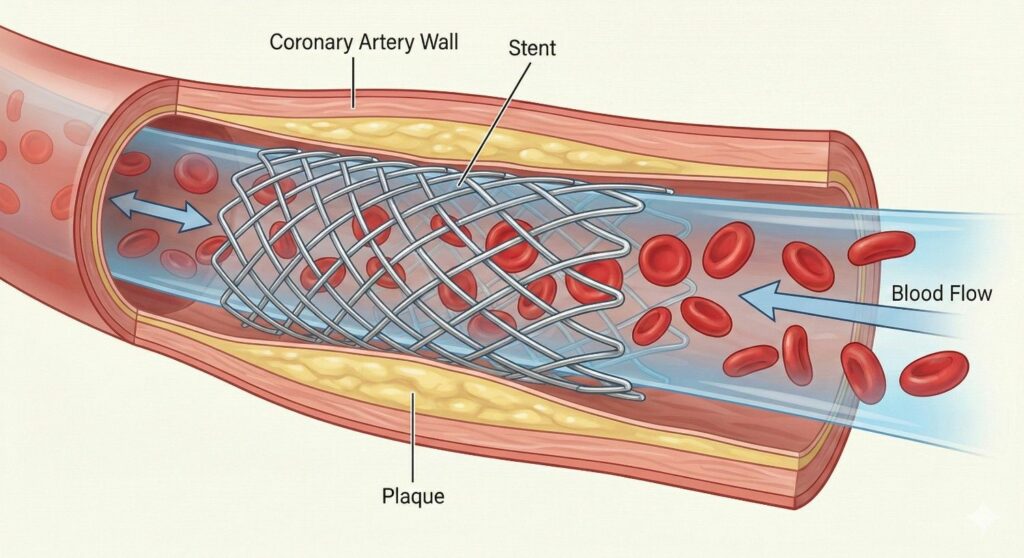
To understand heart stent longevity, we must first clarify what the device is. A heart stent is a tiny, expandable mesh tube, typically crafted from a medical-grade metal alloy like cobalt-chromium. It is designed to address narrowings or blockages in coronary arteries caused by plaque buildup—a condition that restricts oxygen-rich blood from reaching the heart muscle.
During the stent placement procedure (angioplasty), a cardiologist guides a thin catheter with a balloon to the blockage site. The balloon inflates to compress the plaque against the artery wall, and the stent expands to act as a permanent scaffold. This scaffold locks the artery open, restoring vital blood flow and relieving symptoms like chest pain (angina). While the device is small, its role in preventing heart attacks and improving quality of life is massive.
The Lifespan of the Stent Itself
A common misconception regarding stents in your heart is that they have an expiration date. In reality, the stent itself is a permanent implant. The metal structure is incredibly durable and does not degrade, rust, or “wear out” inside the body. Once placed, it remains there for the rest of your life.
However, the “longevity” of the treatment refers to how long the artery remains open without re-narrowing. This depends heavily on the type of stent used and how well the body heals around it.
Types of Stents and Their Effectiveness
The medical industry has evolved to offer different options, and knowing the difference helps in understanding your specific heart stent longevity outlook.
- Bare-Metal Stents (BMS): These were the first generation of stents—simple wire mesh tubes. While they effectively prop arteries open, they carry a higher risk of restenosis (re-narrowing). This occurs when scar tissue grows through the mesh openings, potentially blocking the artery again. Restenosis with BMS typically happens within the first 6 to 12 months.
- Drug-Eluting Stents (DES): These are currently considered the best stent for heart procedures in most cases. A Drug-Eluting Stent is coated with medication (such as everolimus or zotarolimus) that is slowly released into the artery wall. This medication inhibits the overgrowth of scar tissue, drastically reducing the risk of restenosis and ensuring the artery stays open for the long term.
Your Role: The Keys to Longevity and a Healthy Life
While the stent placement procedure fixes the immediate blockage, it does not cure the underlying heart disease. The maintenance phase is where you take control. Heart stent longevity is less about the metal and more about your daily choices to prevent new blockages from forming.
1. Medication Adherence is Non-Negotiable
After receiving a stent in heart, your cardiologist will prescribe antiplatelet medications to prevent blood clots from forming on the new device—a dangerous complication known as stent thrombosis.
- Aspirin: Usually prescribed indefinitely.
- P2Y12 Inhibitors: Drugs like clopidogrel (Plavix), ticagrelor (Brilinta), or prasugrel (Effient) are typically prescribed for 6 to 12 months or longer.
- Strict Adherence: You must never stop these medications without your doctor’s explicit instruction. Stopping early can lead to sudden clotting and heart attacks.
2. Embrace a Heart-Healthy Lifestyle
Maintenance means modifying the factors that damaged your arteries in the first place.
- Dietary Changes: Adopt a heart-friendly diet rich in vegetables, fruits, whole grains, and lean proteins. Reducing sodium, saturated fats, and processed sugars helps control blood pressure and cholesterol.
- Consistent Movement: Exercise is a non-negotiable part of maintenance. Aim for at least 150 minutes of moderate activity, like brisk walking, every week. Cardiac rehabilitation programs are excellent for learning how to exercise safely.
- Smoking Cessation: If you smoke, quitting is the single most effective way to extend heart stent longevity. Smoking constricts blood vessels and promotes clotting, directly counteracting the benefits of the stent.
- Manage Risk Factors: Keep close tabs on blood pressure, cholesterol levels, and diabetes. Uncontrolled blood sugar or hypertension can accelerate plaque buildup in other areas of your heart.
Life Expectancy with a Heart Stent
Patients often ask if having stents in your heart shortens life expectancy. The encouraging news is that for many, life expectancy can return to normal or near-normal levels compared to the general population. The stent eliminates the immediate danger of a blocked artery, allowing the heart muscle to function properly.
The true determinant of your future health is not the stent, but your commitment to maintenance. A patient who actively manages their diet, adheres to medication, and stays active can expect excellent long-term outcomes. The stent is a powerful tool that, when combined with healthy living, opens the door to a long and active life.
Frequently Asked Questions
Can I live a normal life with a heart stent?
Yes. The goal of the stent placement procedure is to return you to a normal, active life. Most patients find they have more energy and less pain than before the procedure. Once you recover, you can typically resume work, exercise, and hobbies without restriction.
Will I be able to feel the stent in my chest?
No. The arteries do not have nerve endings inside them that feel touch or pressure in that way. Once the stent in heart is placed, you will not feel it, and it will eventually become covered by a thin layer of your own tissue.
How often will I need check-ups after getting a stent?
You will need regular follow-up appointments, typically more frequent during the first year. Your cardiologist will monitor your heart function, check your cholesterol and blood pressure, and ensure your medications are working correctly to support heart stent longevity.
Conclusion: Facts About Heart Stents: Longevity and Maintenance are straightforward: the device is permanent, but its success relies on your partnership with your medical team. By choosing the best stent for heart outcomes—often a Drug-Eluting Stent—and committing to rigorous maintenance through medication and lifestyle changes, you can protect your heart for decades. The stent placement procedure is just the beginning of a renewed chapter in your health story.