Explore the Global Diverse Food Traditions
Most people eat “international” food without understanding why it tastes that way. You might want to order smarter, cook with more confidence, or learn the story behind a dish. This article is for curious eaters who want clear signposts for exploring traditions respectfully and without getting lost.
Taste traditions with a plan, not guesswork. This guide shows what to look for at markets, family-run restaurants, and home kitchens. You’ll learn signature ingredients, tools, and cooking moves from six regions, plus simple ways to try them at home.
Start With A Three-Lens Tasting Method
Use three questions to understand any dish fast. First, what is the staple. Think rice, wheat, maize, cassava, or potatoes. Second, what is the main flavor base. Look for alliums, fermented pastes, dried chiles, spices, or citrus. Third, what is the core technique. Ask if it is grilled, steamed, braised, cured, or fermented.
Write answers in your notes app. Add the dish name and the setting. Include street stall, canteen, or holiday table. You will build reliable traditional cuisine knowledge over time.
Six Regions, Six Practical Food Trails
Levant And Eastern Mediterranean
Track mezze culture and charcoal grilling. Learn to spot tahini, sumac, pomegranate molasses, and za’atar. Watch for techniques like skewering, spit roasting, and emulsifying sauces. Try making hummus with ice water for a lighter texture.
West Africa
Follow stews and swallowed starches. Look for egusi, dried crayfish, palm oil, and Scotch bonnet. Notice long simmers that thicken sauces without flour. Try jollof rice comparisons across cooks. Ask what stock base starts the pot.
South Asia
Explore layering spice at different times. Whole cumin may hit hot fat first. Garam masala often lands near the end. Watch for pressure cooking, tandoor roasting, and tempering with mustard seeds. Keep an eye out for ghee, jaggery, and tamarind.
East Asia
Map fermentation and quick cooking. Learn the difference between soy sauce styles, miso varieties, and rice vinegars. Notice wok hei in stir-fries and gentle steaming for fish. Try a simple scallion oil to understand aroma extraction.
Oceania And The Pacific
Look for earth ovens and coconut-based cookery. Techniques include wrapping in leaves and slow roasting over hot stones. Staples can include taro, breadfruit, and yams. Pay attention to acidity from citrus and fermented pastes.
Andes And The Southern Cone
Study altitude-friendly preservation and grilling culture. Look for ají peppers, quinoa, and maize in many forms. Notice ceviche-style curing versus open-fire asado. Watch for chimichurri variations and salt-forward seasoning.
Tools And Pantry Items That Explain The Food
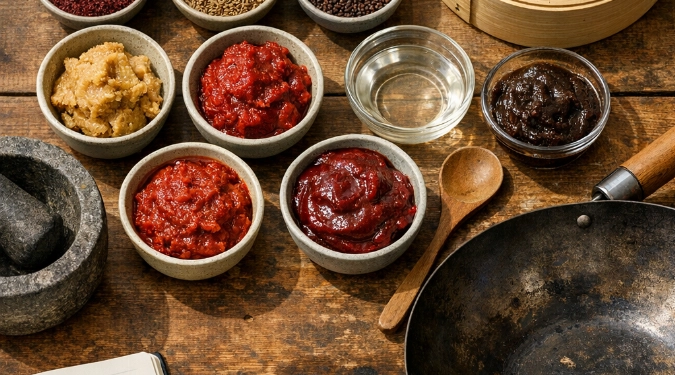
Buy a few low-risk items to learn faster. Pick one fermented base, one aromatic fat, and one acid. Good starters include gochujang, miso, harissa, ghee, toasted sesame oil, tamarind concentrate, and rice vinegar. Use them in small batches to avoid waste.
Helpful tools can be cheap and compact. A mortar and pestle teaches texture. A bamboo steamer teaches timing. A digital scale tightens repeatability. A carbon steel wok rewards heat control.
How To Ask Better Questions While Eating Out
Ask process questions, not secrets. Try “What goes in first” or “Is this smoked or dried.” Ask what makes the dish festival-specific. Ask if the recipe changes for fasting days or harvest season. You will get dietary culture insights without putting anyone on the spot.
Make One Dish, Then Trace Its Influences
Pick one dish you love and follow its variations. Example paths include dumplings across borders, flatbreads across ovens, and bean stews across climates. Note ingredient swaps driven by trade and migration. That is how global food influences show up on a plate.
Keep one “origin” version and one “diaspora” version in your notebook. Compare fats, acids, and heat sources. You will see historical food customs encoded in everyday meals.
Where To Explore Without Traveling Far
Use stores with strong turnover and clear labeling. Look for spice shops, halal butchers, and specialty grocers. For books, try authors like Madhur Jaffrey, Claudia Roden, and Kenji López-Alt for technique-focused explanations. For video, compare channels like Chinese Cooking Demystified, Maangchi, and Vahchef.
FAQ
How Do I Avoid “Tourist Menu” Versions Of Dishes?
Order one item that requires time or prep. Examples include slow-braised stews, fresh dumplings, or whole grilled fish. Ask what regulars order at lunch.
What’s The Fastest Way To Learn A New Cooking Culture At Home?
Master one base sauce or paste first. Examples include sofrito, curry base, miso soup base, or chile paste. Then rotate proteins and vegetables while keeping the base constant.
How Do I Respect Food Heritage Concepts Without Gatekeeping?
Name your source and your changes. If you substitute an ingredient, write why. Credit a cookbook, a teacher, or a friend who showed you the method.
What If I Can’t Find A Key Ingredient?
Match function, not name. Replace souring agents with other acids. Replace thickening nuts with seeds. Replace smoke with smoked salt or lapsang tea in small amounts.
References
- Harold McGee, On Food and Cooking
- Claudia Roden, The Book of Jewish Food
- Madhur Jaffrey, An Invitation to Indian Cooking
Disclaimer: The information provided in this article is for educational and informational purposes only. It does not constitute professional advice. Readers should conduct their own research and consult with qualified professionals before making any decisions.