
Explaining the New Shots for Chronic Back Pain
Confused by ads and headlines about “new shots” for chronic back pain? This article breaks down what those injections usually are, including epidural steroid injections, facet joint injections and medial branch blocks, sacroiliac joint injections, trigger point injections, and select regenerative approaches like PRP. You’ll learn what each shot targets, what a typical image-guided visit looks like, how quickly relief may appear, and what limits and side effects to discuss with a clinician. It also covers practical next steps such as getting a no-obligation second opinion on spine surgery, booking an orthopedic spine doctor consultation online, and understanding options people search for in Grand Rapids, from free MRI reviews to non-surgical centers and clinical trials.
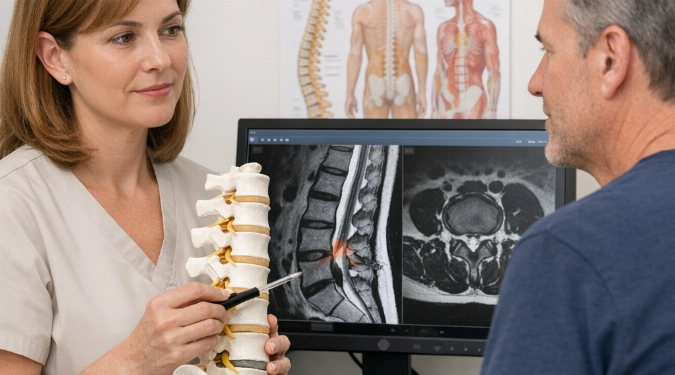
“New shots” for chronic back pain can sound like a single treatment, but it usually means a few different injection types, each aimed at a specific pain source. This guide explains what these shots are, how they typically work, what results timelines look like, and how to decide what questions to ask before you move forward.
What People Mean By “New Shots” For Chronic Back Pain
In most clinics, “shots” refers to image-guided injections used to calm inflammation, interrupt pain signaling, or help pinpoint where pain is coming from. Some are newer in day-to-day practice (like platelet-rich plasma in select settings), while others are established but evolving through improved imaging, safer techniques, and better patient selection.
The key idea is simple: different structures cause back pain (facet joints, discs, nerves, sacroiliac joints, or muscles). A shot that helps one structure may do little for another, so the “new” part is often matching the right injection to the right pain generator.
The Main Types Of Shots And What They Target
Epidural Steroid Injections
Epidural steroid injections are commonly used when nerve irritation causes radiating pain (often described as sciatica). They place anti-inflammatory medication near irritated nerve roots to reduce swelling and pain. Relief can be temporary, and the goal is often to make rehab, walking, and sleep more manageable while the underlying irritation settles.
Facet Joint Injections And Medial Branch Blocks
When small spinal joints (facet joints) are suspected, clinicians may use facet injections or medial branch blocks. These can be diagnostic (to confirm the pain source) and sometimes therapeutic. If blocks provide clear short-term relief, radiofrequency ablation may be discussed as a longer-lasting next step for some patients.
Sacroiliac Joint Injections
The sacroiliac joint can refer pain to the low back, buttock, or groin. SI joint injections use imaging guidance to place medication into the joint. They are often considered when pain worsens with standing, stairs, or transitions from sitting to standing.
Trigger Point Injections
For myofascial pain, trigger point injections target tight muscle bands that can create persistent aching and limited range of motion. Medication varies by clinician and patient factors; the goal is often to “reset” stubborn muscle spasm so stretching and strengthening can be more effective.
Regenerative Injections In Select Settings
Some practices offer platelet-rich plasma (PRP) or other regenerative approaches for certain tendon/ligament problems and, in limited settings, spine-related pain. Evidence and coverage vary widely by condition, and these are not a one-size-fits-all option. If offered, it is reasonable to ask what diagnosis it is intended to treat and what outcomes data the clinic uses to guide selection.
What A Typical Shot Visit Looks Like
Most spine injections are done with fluoroscopy (live X-ray) or ultrasound guidance. The visit often includes a brief exam, consent, skin numbing, the injection itself, and a short observation period. Many people are asked to track pain levels and function afterward (walking tolerance, sleep, sitting time) because functional change matters as much as a pain score.
If you want to book an orthopedic spine doctor consultation online, it can help to prepare a concise timeline: when pain started, what worsens it, prior imaging, and what treatments have already been tried.
Benefits, Limits, And Common Side Effects
Shots may reduce inflammation and pain enough to restart movement, physical therapy, or daily activities. Limits include variable duration, the possibility of no meaningful relief, and the fact that injections usually do not “fix” structural degeneration by themselves.
Common short-term effects can include temporary soreness at the injection site, a brief pain flare, or short-lived numbness/weakness depending on the injection type. Steroid-related effects may include transient facial flushing or blood sugar elevation in people with diabetes. Clinics typically review individualized risks, especially for blood thinners and infection history.
When To Seek More Input Before Choosing A Shot
If you are weighing injections versus surgery, it can be useful to get a no-obligation second opinion on spine surgery so you understand whether a procedure is truly indicated or whether non-surgical paths remain reasonable.
For readers comparing local options, some people try to find a back pain specialist who accepts medicare in grand rapids to keep costs predictable while they sort through imaging, injections, and therapy plans.
Practical Access And Cost Questions People Ask
Coverage depends on diagnosis, documentation, and payer rules. If cost is a barrier, clinics sometimes discuss back pain treatment financing plans for bad credit for services that are not fully covered, though terms vary and should be reviewed carefully.
If you’re gathering opinions quickly, you may look to schedule same-day appointment pain management clinic 49502 to review whether an injection is appropriate, what imaging is needed, and what alternatives exist.
Grand Rapids-Specific Services People Look For
Some centers advertise a free mri review for chronic back pain 49502 as an educational screening step to explain what a report means and what questions to bring to a specialist visit.
Others offer a free consultation for spinal decompression in grand rapids, which may be discussed as a non-surgical option for certain conditions. If you explore this, ask what diagnoses they treat, what outcomes they track, and what would make someone a poor candidate.
If your priority is conservative care, you might try to find non-surgical back pain relief center in grand rapids that coordinates physical therapy, injections, and lifestyle-based rehab rather than focusing on one tool.
Clinical Trials And “New Device” Studies
Some “new shot” conversations overlap with research, including studies combining injections with devices or newer techniques. People sometimes enroll in new back pain device clinical trial michigan to access structured follow-up and contribute to evidence, with the understanding that protocols, eligibility, and results are not guaranteed.
Separately, you may see ads to apply for paid chronic back pain study us. If you consider a study, review the informed consent, time commitment, potential risks, and how care is handled if symptoms worsen.
FAQ
Are These Shots A Cure For Chronic Back Pain?
Typically, no. They are most often used to reduce inflammation or confirm a pain source, and they may create a window where rehabilitation and daily movement become more doable.
How Fast Do Shots Work?
Numbing medicine can create same-day changes, while steroid effects often take several days. Diagnostic blocks are judged by short-term response, sometimes within hours.
How Do I Know Which Shot Is Being Offered?
Ask what structure is being targeted (nerve root, facet joint, SI joint, muscle) and what imaging guidance will be used. Clear answers usually indicate a clearer working diagnosis.
What Should I Bring To A Consultation?
Bring your MRI report, a medication list, prior treatment history, and a short description of functional limits. This also helps when you book an orthopedic spine doctor consultation online and want the visit to stay focused.
Conclusion
The “new shots” for chronic back pain are best understood as a set of targeted injection options, each matched to a specific pain source and used to reduce inflammation, clarify diagnosis, or support rehab. The most helpful next step is usually a clear explanation of what is being targeted, what results are realistic, and what alternatives exist if relief is limited.
Disclaimer: The information provided in this article is for educational and informational purposes only. It does not constitute professional advice. Readers should conduct their own research and consult with qualified professionals before making any decisions.