
Enhancing Comfort and Ambiance: Restaurant Furniture Benefits Guide
Restaurant furniture does more than fill a dining room—it sets comfort, controls flow, and quietly signals what kind of experience guests can expect. This benefits-focused guide explains how seating types, materials, and layout-friendly shapes influence daily operations and customer perception, from noise levels and legroom to cleaning speed and durability. You’ll also see practical comparisons of common furniture choices and answers to key questions so you can make decisions that strengthen both atmosphere and service.
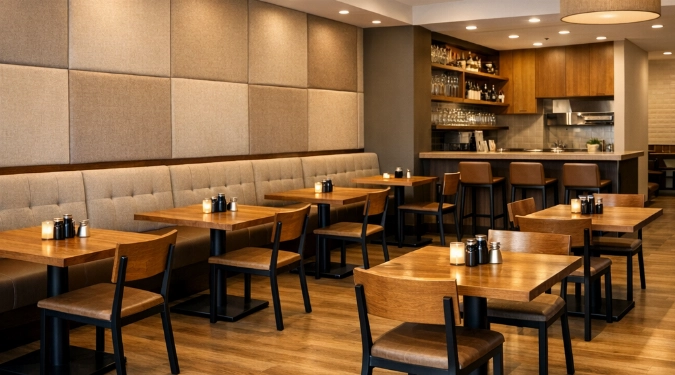
Guests may not remember the exact paint color on your walls—but they’ll remember whether the chair felt supportive, the booth felt welcoming, and the room flowed without awkward bottlenecks. This guide breaks down the real benefits of restaurant furniture and how smart choices can lift comfort, service pace, and mood all at once.
Why Furniture Choices Shape Comfort And Atmosphere
Furniture is the “every-table touchpoint”: it’s what guests sit on, lean against, and navigate around. Supportive seats reduce fidgeting and shorten the time it takes to settle in, while stable tables cut down on spills and wobbly place settings. Just as important, cohesive finishes and silhouettes help the room feel intentional rather than pieced together, supporting consistent Restaurant Ambiance Improvement.
Comfort and ambiance also influence how long parties stay and how smoothly staff can clear, reset, and greet. When chairs stack easily, booths are sized correctly, and table bases don’t block knees, the dining room tends to run with less friction during peak turns.
Key Benefits Of Restaurant Furniture That Show Up Daily
The Benefits Of Restaurant Furniture aren’t abstract—they appear in labor, maintenance, and guest feedback. Strong frames, commercial-grade finishes, and easy-clean surfaces typically reduce repair downtime and surprise replacements. When furniture is selected as a system (not random pieces), it can also simplify ordering, stocking glides or hardware, and matching touch-up materials.
Durability is only one part of the value. The right seat height for your tables, thoughtfully chosen edge profiles, and stable bases can lower noise and improve perceived cleanliness—two factors guests often connect to overall quality even if they can’t name why.
Restaurant Seating Solutions That Fit Different Service Styles
Great Restaurant Seating Solutions start with how you serve: quick-serve needs efficient in-and-out movement; full-service often benefits from deeper comfort and more privacy. Mixing seating types can widen your audience, but only if each zone feels deliberate.
Chairs
Side chairs are flexible for reconfiguring parties and events. Look for reinforced joints, replaceable glides, and cleanable upholstery or sealed wood. Armchairs can signal “stay a while,” but they require wider spacing and careful aisle planning.
Booths And Banquettes
Booths create intimacy and can make a room feel fuller even on slower nights. They also help guide traffic along predictable paths. Pay attention to seat depth, back angle, and the under-seat construction so crumbs and debris don’t become a constant battle.
Bar Stools And Counter Seating
Stools add revenue potential in compact footprints, but comfort depends on footrests, back support, and the right height relationship to the bar top. Swivel stools may improve access but can increase wear on bearings and finishes in high-volume rooms.
Optimizing Restaurant Layout Without Sacrificing Comfort
Optimizing Restaurant Layout is largely about spacing and service flow. A common mistake is squeezing in extra two-tops that later become obstacles for servers carrying trays. Instead, plan clear primary aisles, keep corners from becoming chair-clash zones, and choose table base styles that minimize toe-kicks and knee collisions.
Furniture can also “solve” tricky spaces: a slim banquette along a wall can replace scattered chairs, and pedestal tables can improve access in narrow rows. The goal is a layout that feels calm to guests while staying practical for staff.
Materials And Finishes That Support Long-Term Value
Commercial Restaurant Furnishings typically use tougher coatings, heavier joinery, and tested upholstery grades designed for frequent cleaning. For tabletops, high-pressure laminate and sealed solid wood are popular for balancing looks with wipe-down speed. For upholstery, vinyl and performance fabrics can resist staining, but seam placement and cushioning quality still determine how well pieces age.
Also consider acoustics: upholstered seating, textured wall finishes, and wood elements may reduce echo compared with all-hard-surface rooms. That quieter feel often reads as “more comfortable,” even before guests notice the chair itself.
Choosing Restaurant Decor That Matches Your Brand Story
Choosing Restaurant Decor becomes easier when you define three anchors: the mood you want (lively, intimate, family-friendly), the signature materials (wood, metal, upholstered softness), and the lighting temperature you use most. Furniture should reinforce those anchors through color, texture, and scale—so the room feels like one message, not competing styles.
Small details matter: matching stain tones across tables and chair frames, consistent hardware finishes, and intentional contrast (for example, light walls with darker seating) can help guests perceive the space as cleaner and more premium without changing the menu.
Quick Comparison: Common Furniture Choices And What They’re Best For
| Furniture Type | Most Helpful When | Watch Outs |
|---|---|---|
| Pedestal Tables | You need better legroom and flexible chair placement | Base size must match top size to avoid wobble |
| Booths | You want privacy, predictable traffic flow, and visual warmth | Repairs can be more involved than swapping a chair |
| Performance Upholstered Chairs | You want comfort plus easier cleaning than standard fabric | Low-quality foam can flatten and look tired fast |
| Bar Stools With Backs | You want longer dwell time at the bar | Needs adequate spacing for entry/exit behind guests |
FAQ: Restaurant Furniture Benefits And Buying Basics
What’s the first furniture upgrade that usually improves guest comfort?
Seating. Upgrading chair support (frame stability, cushioning, back angle) often changes how guests experience the meal more than a new tabletop finish, because they feel it the entire visit.
How do I choose furniture that lasts in a high-traffic dining room?
Prioritize contract-grade construction details: reinforced joints, commercial finishes, replaceable glides, and surfaces designed for frequent disinfecting. Ask how components are repaired—being able to replace a seat or tabletop can extend lifespan.
Can mixing furniture styles still look cohesive?
Yes, if you standardize a few elements—such as consistent wood tone, repeated metal finish, or a shared upholstery color family. Mixed silhouettes can add energy, but the palette should stay controlled.
What layout mistake most often hurts ambiance?
Crowding. When guests and staff constantly bump chairs, the room feels tense and noisy. Leaving functional clearance and choosing slimmer profiles in tight zones can keep the space comfortable without feeling empty.
Conclusion: Comfort And Ambiance Are Built Into The Furniture Plan
Enhancing comfort and ambiance isn’t about one “perfect” chair—it’s about selecting restaurant furniture that supports how you serve, how guests move, and how your space feels from the first step inside. By focusing on durable materials, smart seating mix, and layout-friendly shapes, you create a dining room that looks intentional and feels easy to enjoy.
Disclaimer: The information provided in this article is for educational and informational purposes only. It does not constitute professional advice. Readers should conduct their own research and consult with qualified professionals before making any decisions.