
Embracing Hairstyles for Older Women: Style, Confidence, Versatility At Any Age
Feeling like your hair has changed—and your old style doesn’t quite match anymore—can be frustrating, but it can also be freeing. This article explores embracing hairstyles for older women through practical, confidence-building choices: cuts that add shape and lift, bob variations that stay versatile, and styling approaches that work with finer texture or shifting density. You’ll also get clear guidance on color decisions (from soft blending to natural gray), supportive ideas for thinning, and everyday care habits that keep hair looking polished without high-maintenance routines.
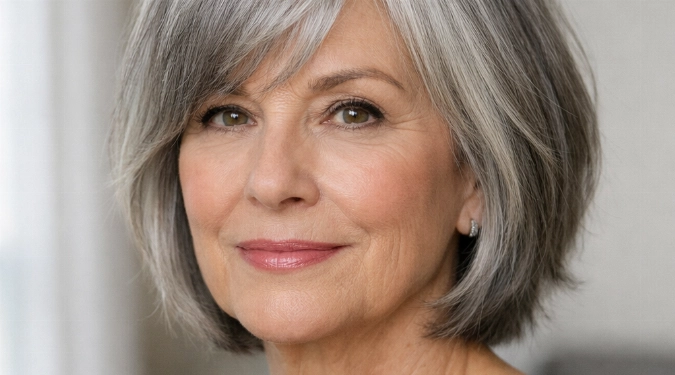
Hair changes with time—texture shifts, density may dip, gray shows up, and your old “go-to” cut might stop feeling like you. The good news: embracing hairstyles for older women is less about rules and more about choosing shapes, color, and care that make you feel capable, current, and fully yourself.
What Changes With Mature Hair And Why It Matters For Style
Many people notice strands becoming finer, drier, or more porous over time, which can make hair look flatter or frizzier. That’s why hair styling for older women often works best when the cut creates built-in structure—think clean lines, soft layers, and strategic movement that doesn’t rely on heavy heat.
Density changes can also affect where you part your hair and how much scalp shows under bright light. A cut that’s slightly shorter or more layered around the crown can help hair look more lifted without needing complicated routines.
Haircuts That Deliver Versatility Without Fighting Your Texture
Versatility comes from a shape that holds up on “wash-and-go” days and still polishes up for events. For many, short hairstyles for women are the easiest way to get consistent volume and a modern silhouette—especially when the perimeter is neat and the interior has airy layering.
For those wanting a timeless option, bob hairstyles for older women remain popular because they balance softness and definition. A chin-length bob can frame the face; a collarbone bob can be tucked, clipped, waved, or worn straight while still looking intentional.
Options That Support Thinning And Visible Scalp
If you’re comparing hairstyles for thinning hair, look for cuts that create “lift zones” at the crown and avoid overly long lengths that pull hair down. Light, piecey layers can add movement, while blunt-ish ends (not heavy, not razor-thin) can make the perimeter look fuller.
When you want hair loss solutions women commonly use, think in layers of support rather than one fix: a scalp-friendly routine, a cut that reduces contrast at sparse areas, and styling choices that don’t stress follicles. Many also find that swapping tight ponytails for loose clips or low buns reduces daily tension.
Hair Color Choices That Enhance Dimension And Confidence
Great hair color for older women typically focuses on softness and dimension. If you color, blending techniques (like subtle highlights or lowlights) can reduce harsh regrowth lines and make hair look thicker by creating contrast in the mid-lengths rather than at the scalp.
If you’re going natural, the best haircuts for gray hair usually include a crisp shape and a finish that keeps the ends healthy-looking, since gray can reflect light and show dryness more easily. A good cut makes the color choice—natural or dyed—look deliberate.
Gray Styling Ideas That Look Modern, Not “Done”
For gray hair hairstyles women often love, texture is your friend: soft waves, a side-swept fringe, or a slightly undone finish can keep gray from reading flat. A violet or blue-toned shampoo used occasionally may help counter brassiness, but overuse can leave a dull cast—so it’s often best treated like a once-in-a-while tool.
If your gray is bright white in some areas and darker in others, consider asking for a cut that places movement where you want the eye to travel—around cheekbones, jawline, or collarbone—so the overall look feels balanced.
Hair Care Habits That Make Any Cut Look Better
Strong hair care for mature women usually starts with gentle cleansing and consistent conditioning. If hair feels dry, alternating a regular conditioner with a weekly mask can improve manageability, which often reduces how much heat you feel you “need.”
When styling, keep friction low: use a microfiber towel or soft T-shirt to blot, detangle with a wide-tooth comb, and consider a heat protectant when blow-drying. These basics help preserve shine and reduce breakage, which supports confidence no matter the style.
Quick Match Guide: Pick A Style Goal, Then A Cut Direction
| What You Want Most | Cut Direction That Often Helps | Why It Supports Confidence |
|---|---|---|
| More volume on top | Shorter crown layers, clean perimeter | Creates lift without teasing or heavy products |
| Easy daily styling | Textured bob or cropped cut with shape | Keeps the silhouette even when air-dried |
| Softer face-framing | Side-swept fringe or cheekbone layers | Directs attention to eyes and cheekbones |
| Gray that looks intentional | Precision cut with healthy ends | Makes natural color read polished, not accidental |
FAQs
What Haircuts Are Most Flattering As Hair Gets Finer?
Cuts that keep weight at the ends and add controlled lift—like bobs, lobs, and softly layered crops—often make fine hair look fuller. Extremely long lengths can emphasize flatness, while a well-shaped mid-length can keep movement without looking thin.
How Can I Style Thinning Hair Without Making It Look Sparse?
Use lightweight mousse or a root-lift spray at the scalp, then dry upward at the roots with a brush or fingers. Avoid heavy oils at the roots, and consider a soft side part or zigzag part to reduce visible scalp lines.
Do Gray And White Hairs Need Different Care Than Dyed Hair?
Gray and white strands can feel coarser or drier, so they often respond well to hydrating conditioners and occasional toning shampoo to manage yellowing. Dyed hair may need extra bond-supporting treatments and heat protection to reduce breakage and fading.
Conclusion
Embracing hairstyles for older women means choosing a cut, color approach, and routine that support style, confidence, and real versatility at any age. Whether you prefer a structured bob, a modern cropped shape, or a gray-forward look, the goal is the same: hair that fits your life—and feels good every time you catch your reflection.
Disclaimer: The information provided in this article is for educational and informational purposes only. It does not constitute professional advice. Readers should conduct their own research and consult with qualified professionals before making any decisions.