
Elevating At-Home Beverages: 2026 US Home Bar Cocktail Mixers
Building a more capable home bar in 2026 starts with choosing the right cocktail mixer for the way you actually make drinks. This guide breaks down the main categories, from manual shakers and handheld frothers to immersion blenders and preset electric systems, explaining how each supports combining, aerating, emulsifying, or blending. You’ll also learn what features tend to affect consistency, how materials like stainless steel, Tritan-style plastics, and borosilicate glass change durability and odors, and what cleaning and gasket care look like in real life. A comparison table and focused FAQs help you match mixer type to drink style and space.
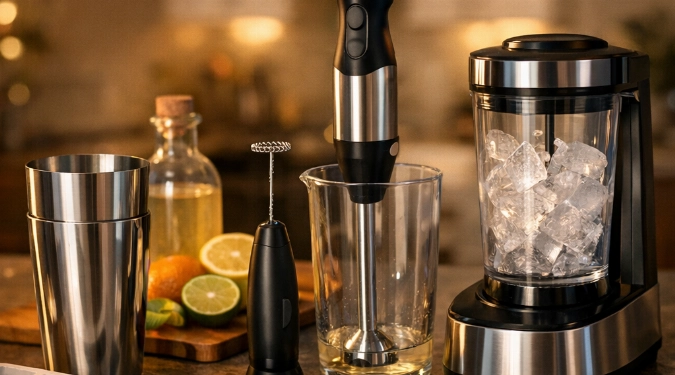
A great home drink doesn’t have to mean a cluttered counter or a sink full of tools. The 2026 wave of home bar cocktail mixers is all about making consistent cocktails easier, whether you prefer a compact handheld option or a countertop system with preset programs.
What “Home Bar Cocktail Mixers” Means In 2026
In practical terms, today’s mixers cover the full workflow of building a drink: combining, aerating, emulsifying, and sometimes blending ice or fruit. Some tools focus on one job (like quick frothing), while electric systems aim to standardize the whole process with timed cycles. This matters because the same cocktail can taste different if citrus, sugar, and spirit aren’t integrated the same way each time.
Many shoppers also look for ready to use drink mixers that reduce measuring and prep. Those products can speed up at-home service, but they still benefit from the right mixing method, especially for drinks that need dilution control or a stable foam.
Common Mixer Categories And Where Each Fits
Handheld And Manual Options
Handheld milk frothers and manual shakers remain popular because they store easily and clean fast. A frother can help with egg-white-free foams (for example, with aquafaba or foaming bitters), while a classic Boston shaker handles most shaken drinks. These “small footprint” options are often the first step for people building bar mixers for home use without dedicating much space.
Immersion Blenders And Countertop Blenders
Immersion blenders can emulsify syrups, fruit, and dairy with less mess than a full-size blender. Countertop blenders, including models like the Vitamix E310 and Ninja Professional series, are better for frozen drinks and pebble-ice textures, but they’re louder and typically require more thorough cleaning around blades and gaskets.
Electric Cocktail Mixer Systems With Presets
Electric systems with preset functions are designed to automate agitation and timing. Some models focus on chilled stirring for spirit-forward recipes, while others emphasize rapid shaking-style motion. The value is repeatability: a preset can help keep dilution and texture closer to your target when you’re making several drinks back-to-back.
Key Features That Actually Change Your Drinks
Not every feature improves taste, so it helps to prioritize what affects results. Speed control matters for foams and emulsions, while a timer can reduce over-aeration that makes a drink taste flat. If you make stirred drinks often, look for a stable base and a motion profile that mimics consistent stirring rather than aggressive blending.
Material choices also matter. Stainless steel (often 18/8 or “304”) resists corrosion and odors better than many plated metals. BPA-free Tritan-style plastics are common for jars and mixing chambers because they’re impact-resistant, while borosilicate glass can resist temperature changes but may not handle drops as well.
Cleaning And Maintenance Realities
Cleaning is where many mixers either earn a permanent spot on your counter or end up in a cabinet. Fewer seams usually means less sticky buildup from syrups. Removable gaskets and wide-mouth jars make it easier to reach corners where sugar and citrus pulp collect.
- Rinse immediately after use to prevent syrup film from drying on.
- For dairy or coconut cream, wash with warm water and a fragrance-free detergent, then air-dry fully.
- Check seals monthly on electric systems; stretched gaskets can cause leaks and inconsistent mixing.
Choosing Cocktail Drink Mixers By Your Real Use Case
If you mostly make sours (Daiquiris, Whiskey Sours, Margaritas), prioritize fast integration and foam management. If you lean spirit-forward (Old Fashioned, Manhattan), focus on controlled stirring and minimal aeration. For brunch-style drinks, a frother plus a small immersion blender can cover a surprising amount of ground.
For shoppers comparing cocktail drink mixers, it can help to match the tool to the drink family you make most. That keeps you from overbuying features that do not support your actual menu.
Quick Comparison: Mixer Types At A Glance
| Mixer Type | Strength | Tradeoff | Best For |
|---|---|---|---|
| Manual Shaker | Classic texture and dilution control | More effort, more technique-sensitive | Sours and highballs |
| Handheld Frother | Quick foam and light aeration | Not for chilling or dilution | Foamy tops, cream drinks |
| Immersion Blender | Fast emulsions, easy storage | Needs a deep vessel to avoid splatter | Fruit mixes, batched cocktails |
| Preset Electric System | Repeatable cycles and consistency | More parts to clean, larger footprint | Entertaining, frequent mixing |
FAQ
Are Electric Mixers Better Than A Shaker For Home Cocktails?
They can be, depending on what you make. Electric mixers may improve repeatability by standardizing time and motion, but a shaker can still produce excellent texture with minimal equipment. The most practical approach is choosing the method that matches your drink style and how often you mix.
What Should I Look For If I Want “Premium” Mixers?
For premium cocktail mixers USA shoppers often define “premium” by build quality and cleanability: stainless components, durable seals, stable bases, and parts that are easy to remove and dry. Warranty length and the availability of replacement gaskets can matter more than extra modes you will not use.
How Do I Choose The Best Cocktail Mixers 2026 For A Small Kitchen?
The best cocktail mixers 2026 for tight spaces are usually modular: a quality shaker, a compact frother, or an immersion blender that fits in a drawer. Look for fewer single-purpose accessories, and prioritize tools that handle multiple drink families.
Conclusion
Elevating your at-home beverages in 2026 comes down to choosing the right mixing category, understanding which features affect consistency, and being honest about cleanup and space. With a toolset that matches your favorite cocktails, home bar cocktail mixers become less about gadgets and more about making the drinks you actually want to serve.
Disclaimer: The information provided in this article is for educational and informational purposes only. It does not constitute professional advice. Readers should conduct their own research and consult with qualified professionals before making any decisions.