
Electric Bill Relief Funds: Where to Apply and Details to Expect
Electric bill relief funds can come from several places, but the key is knowing where to apply and what happens after you submit. This article explains the main options people use when they need bill help: LIHEAP through local agencies, utility-run hardship programs and payment plans, nonprofit emergency support, and longer-term savings through weatherization and efficiency programs. You’ll also learn what documentation is commonly required, how payments are typically delivered (often directly to your utility), what approval timelines and benefit limits may look like, and how to respond if a shutoff notice is approaching or an application is denied.
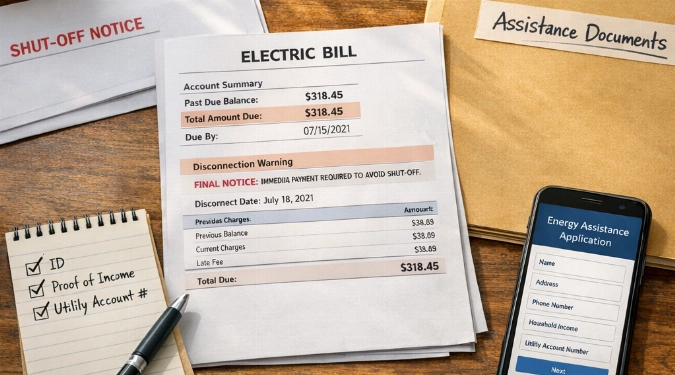
When the power bill feels impossible, the fastest path forward is knowing which electric bill relief funds actually exist, where to apply, and what the process typically looks like. Below are the main programs that can help cover past-due balances, prevent shutoff, or reduce ongoing costs, plus the details most applicants wish they knew sooner.
Where To Apply For Electric Bill Relief Funds
If you need Utility Payment Aid, start with programs that pay energy providers directly and have established application channels. These are the places most households use to Apply for Aid when money is tight.
LIHEAP Through Your State Or Local Agency
The Low Income Home Energy Assistance Program (LIHEAP) is one of the most common sources of Energy Fund Relief. It typically offers two lanes: regular seasonal assistance and crisis support when service is at risk. Applications are handled by state or local community action agencies, and benefits are usually sent to the utility on your behalf.
Utility Company Assistance And Payment Plans
Many electric providers run their own Hardship Assistance options, including arrears management programs (which may forgive part of a past-due balance if you make on-time payments), budget billing, and payment arrangements. Ask your utility’s customer service specifically about “low-income programs” and “shutoff protection,” then request written terms so you know exactly what you are agreeing to.
Nonprofit And Community Programs
Local nonprofits can provide Emergency Bill Help when government funds are paused or seasonal windows are closed. Common starting points include the Salvation Army, Catholic Charities, St. Vincent de Paul conferences, United Way partner agencies, and community action organizations. These programs often have limited funding, but they can be a real option for Bill Help Now when timing matters.
Weatherization And Efficiency Programs
If your goal is to Lower My Bill longer term, apply for home efficiency help alongside bill assistance. The Weatherization Assistance Program (WAP) can cover measures like insulation, air sealing, and heating system improvements for eligible households. Many utilities also offer rebates or no-cost efficiency kits through approved contractors, which can reduce monthly usage after the immediate crisis passes.
What To Expect After You Apply
Electric bill relief funds are real, but the experience is rarely instant. Knowing the typical steps helps you plan around deadlines, shutoff notices, and required paperwork.
- Documentation requests: Most programs ask for proof of identity, household size, income, and a recent utility bill showing your account number and past-due amount.
- Verification and interviews: Some agencies confirm income using pay stubs or benefit letters, and may do a brief phone intake to confirm your situation.
- Payment method: Benefits commonly go directly to the utility rather than to you, and may take days or weeks to post.
- Limits: Many programs cap how often you can receive help per year, or limit the maximum benefit based on household factors and funding availability.
Electric Bill Grants And Other Relief Types
People often search for Electric Bill Grants expecting a single nationwide grant application. In practice, “grant-like” help usually shows up as LIHEAP crisis payments, utility-funded credits, or nonprofit pledges applied to your account. Some utilities also offer medical baseline programs or critical care protections that can reduce shutoff risk if you meet eligibility rules.
A Simple Checklist To Get Utility Support Faster
If you are trying to Get Utility Support quickly, organization matters as much as eligibility. Before you call or apply, gather the items below and keep notes on every conversation.
- Photo ID for the applicant and proof of address if required
- Most recent power bill and any disconnect notice
- Proof of income for the last month or two (or benefit award letters)
- Household member list and dates of birth if requested
- Utility account number and the name on the account
How To Handle A Shutoff Notice While You Wait
If you need Emergency Bill Help and the shutoff date is close, tell the agency and the utility that you have applied and ask what hold options exist. Many providers can place a temporary stop on disconnection when a pledge is pending, but it often requires the agency to confirm your application status. Keep copies of confirmation numbers, emails, and any pledge letters.
FAQs About Electric Bill Relief Funds
Can I get help if I’m already behind?
Yes. Many programs are designed for arrears, including LIHEAP crisis assistance and utility hardship programs. Be ready to share the past-due balance, your shutoff notice date, and whether a payment plan is already in place.
How long does approval usually take?
Timelines vary by program and season. Crisis requests may move faster than regular benefits, but processing can still depend on staffing, verification, and funding levels. If you’re on a deadline, ask what qualifies for expedited review and what proof is needed.
Will relief cover my entire bill?
Sometimes it can, but often it covers part of the balance. Many households combine multiple sources of Financial Relief, such as a partial agency payment plus a utility payment arrangement, to fully resolve a shutoff risk.
What if I was denied?
Ask for the reason in writing and whether you can appeal or resubmit with different documents. If income was slightly over a threshold, ask the utility about alternative Hardship Assistance options, budget billing, or usage-reduction programs while you pursue other aid.
Disclaimer: The information provided in this article is for educational and informational purposes only. It does not constitute professional advice. Readers should conduct their own research and consult with qualified professionals before making any decisions.