
Effective Methods to Help Control Bed Bugs
Controlling bed bugs takes more than a quick spray. This guide explains effective methods that actually help stop bed bugs for good: confirming the infestation, containing it to prevent spread, using heat correctly (hot-drying, careful steaming, and professional heat when needed), and combining isolation tools like interceptors and encasements with targeted residual options such as desiccant dusts and crack-and-crevice treatments. You’ll also get a practical two-week follow-up plan and prevention habits that reduce the chance of reintroduction.
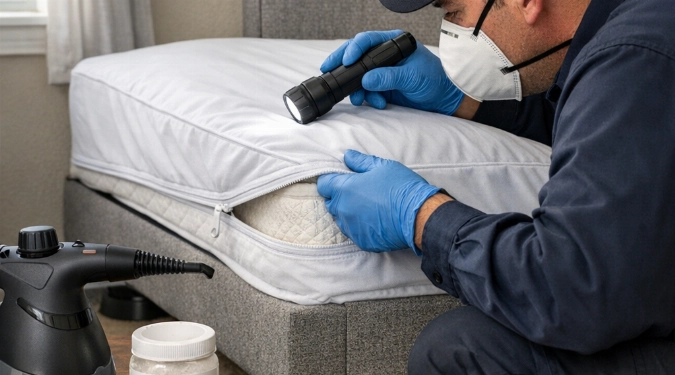
Bed bugs are small, stubborn, and emotionally exhausting to deal with, but they are controllable with the right steps. This article focuses on what actually helps stop bed bugs for good: confirm the problem, contain it fast, use heat and targeted insecticides correctly, and keep monitoring so a few survivors don’t restart the infestation.
Confirm It’s Bed Bugs Before You Treat
Effective control starts with correct identification, because many bites and skin irritations look similar. Look for physical evidence: live bugs (apple-seed sized), shed skins, tiny pearly eggs in seams, and dark fecal spotting along mattress piping or headboards. Interceptor traps under bed legs (such as ClimbUp Interceptors) can help confirm activity while you plan an Effective Bed Bug Treatment.
Contain The Infestation In The First 24 Hours
To Stop Bed Bugs Now, reduce how far they can spread. Pull the bed slightly away from the wall, keep bedding from touching the floor, and avoid moving loose items from the infested room to other rooms. Bag linens and clothing before carrying them through the home, and seal bags tightly until they go to the washer and dryer. These are practical Bed Bug Control Tips that limit new hiding spots.
Heat: The Fastest Knockdown When Done Correctly
Heat works because bed bugs typically die when their bodies reach lethal temperatures long enough, and it can reach bugs hiding in fabrics. Run washable items through a hot dryer cycle (often 30–60 minutes, depending on load and dryer performance). Portable steamers can be useful on seams, tufts, and cracks if you move slowly, because fast passes may not heat deep enough.
For whole-room or whole-home heat, professional heat remediation uses specialized heaters and sensors to bring all hiding zones up to lethal temperatures, including behind baseboards and inside furniture. This can be one of the most effective Bed Bug Solutions for heavy infestations, but success still depends on prep and post-treatment monitoring.
Targeted Insecticides: Where They Help And Where They Don’t
Sprays alone rarely Eliminate Bed Bugs because eggs are protected and bugs hide in tight voids. If insecticides are used, they work best as part of an integrated plan: crack-and-crevice treatment, not broad “fogging.” Avoid total-release foggers; they can disperse bugs deeper into walls and are commonly ineffective against hidden bed bugs.
Common Professional-Grade Active Ingredients
- Desiccant dusts (silica gel like CimeXa, or diatomaceous earth): damage the bug’s waxy coating and can keep working as long as they stay dry and undisturbed.
- Residual sprays often include a pyrethroid paired with a neonicotinoid (for example, products containing imidacloprid + beta-cyfluthrin), helping address resistant populations in some cases.
- Insect growth regulators (such as hydroprene or methoprene): interfere with development and reproduction, supporting longer-term control rather than immediate knockdown.
Always follow the label, especially around sleeping areas, and consider a licensed pest management professional for correct placement and rotation strategies.
Isolation Tools That Make A Real Difference
Encasements do not kill an infestation by themselves, but they prevent bugs from hiding in the mattress and box spring and make inspections easier. Use a bed-bug-rated encasement with a locking zipper, and leave it on for the long haul. Pair encasements with leg interceptors and a simplified room layout to help Get Rid of Bed Bugs with fewer places for them to hide.
A Simple Two-Week Plan That Covers Most Homes
Many infestations require multiple passes. A grounded “what actually helps” schedule looks like this:
- Day 1–2: Confirm signs, reduce clutter, bag laundry, hot-dry fabrics, vacuum seams and edges, install interceptors.
- Day 3–7: Steam targeted areas, apply dust to cracks/voids where appropriate, avoid moving untreated items to clean rooms.
- Day 10–14: Re-inspect interceptors, re-treat where activity persists, and keep laundry and sleeping setup “isolated.”
This repeat-and-verify approach is what typically separates a temporary cleanup from a Permanent Bed Bug Fix.
Prevention After Treatment: Keep The Win
Bed Bug Prevention is mostly about early detection and careful re-entry. After travel, unpack directly into the washer/dryer when possible, and keep luggage off beds. For secondhand furniture, inspect seams and joints with a flashlight, and consider treating items (heat/steam) before bringing them into bedrooms. Ongoing interceptors for a few months can catch reintroductions early, helping you Conquer Bed Bugs without starting over.
FAQs
What Actually Helps Stop Bed Bugs For Good?
Integrated control: heat for fabrics and hiding spots, targeted residual tools (especially desiccant dusts in cracks), isolation (encasements and interceptors), and repeated inspection. The “for good” part usually comes from monitoring and follow-up, not a single one-time action.
Should I Throw Away My Mattress?
Not always. A bed-bug-rated encasement plus isolation and treatment can be enough if the mattress is structurally sound. Discarding can help in severe cases, but it must be done carefully (wrap and label) so bugs are not spread during removal.
Do DIY Treatments Work?
They can for light infestations when done thoroughly: hot-drying, steaming slowly, sealing cracks, and using interceptors. Larger infestations often benefit from professional tools (heat systems, commercial products, experience with resistant populations). This Ultimate Bed Bug Guide approach is about matching methods to the size of the problem.
Conclusion
Effective methods to help control bed bugs are practical and repeatable: confirm activity, contain the room, use heat where it’s strongest, apply targeted residual tools where they’re safest and most effective, and keep monitoring until interceptors stay empty. That combination is the most reliable path to long-term control.
Disclaimer: The information provided in this article is for educational and informational purposes only. It does not constitute professional advice. Readers should conduct their own research and consult with qualified professionals before making any decisions.