Discover the wholistic Benefits of Massages for your Mind and Body Wellness
Tension, poor sleep, and screen-posture aches add up fast. You might want massage, but the options feel confusing and the prices vary. This guide is for anyone trying to pick the right style, find a solid therapist, and avoid walking out sore, rushed, or disappointed after a session.
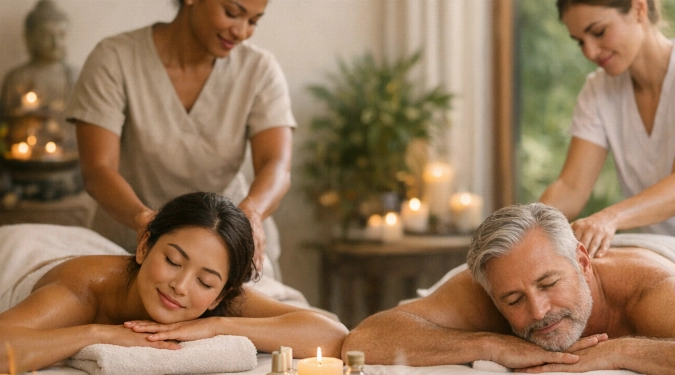
Know which massage style fits your goals, and how to book it smart. Learn what changes after one session, and what improves with a routine. Use a simple checklist to screen therapists, choose add-ons, and plan aftercare so you feel better longer.
What “Wholistic” Wellness Looks Like In A Session
Massage affects more than sore muscles. It shifts your breathing, posture, and sense of safety. Those changes can lower tension you carry all day.
Expect three layers of benefit. First is physical ease, like less stiffness. Second is nervous system settling, like slower breathing. Third is better body awareness, like noticing jaw clenching sooner.
Massage Styles And What Each One Is Best For
Choosing the right style matters more than choosing the longest session. Use these matches as a starting point. Then adjust pressure and focus areas with your therapist.
- Swedish massage: Best for general relaxation and full-body circulation. Great if you are new to bodywork.
- Deep tissue: Best for stubborn tight spots in shoulders, hips, and calves. Pressure should feel intense but controllable.
- Sports massage: Best for training fatigue and limited range of motion. Expect more targeted work and stretching.
- Trigger point therapy: Best for referred pain patterns, like neck tension that shows up as headaches. Work comes in short, focused holds.
- Myofascial release: Best for “stuck” feeling tissues and restricted movement. Pressure is often lighter and slower.
- Thai massage: Best if you want assisted stretching and mobility work. You usually stay clothed on a mat.
What Regular Sessions Change Over Time
One massage can help you feel looser that day. The bigger payoff comes from consistency. That is where the benefits of regular massages show up.
Many people notice fewer flare-ups of tightness. They also recover faster after long desk days. Sleep quality can improve when your body stops bracing at night.
A practical schedule is every two to four weeks. If you do hard training, consider weekly for short bursts. Reassess after four sessions and track what changed.
How Massage Supports Mood And Focus
Bodywork can help you downshift from alert to calm. That supports emotional regulation and clearer thinking. It is one reason people seek massage benefits for mental health.
Ask for slower pacing and steady pressure if you feel wired. Request less talking if you want deeper rest. If you feel emotional during a session, that can be normal.
Booking Smart: A Therapist Screening Checklist
Quality varies widely. A good intake is a sign of a good session. Use this list before you commit.
- They ask about injuries, surgeries, and current pain triggers.
- They explain the plan for pressure and focus areas.
- They offer draping options and consent checks.
- They can describe training in modalities you want.
- They encourage feedback during the session.
If you want to verify credentials, check your state licensing board. Many therapists also list training from NCBTMB-approved providers.
What You Can Expect To Pay And What Changes Price
Typical pricing for a 60-minute massage is $90 to $140. A 90-minute session often runs $130 to $200. High-cost downtown studios can exceed $220 for 90 minutes.
Price shifts with therapist experience, location, and add-ons. Common add-ons include hot stones, cupping, and aromatherapy. Ask if the add-on changes the goal or just the vibe.
Aftercare That Makes Results Last Longer
Plan ten minutes after your session if you can. Rushing straight into traffic can undo the calm. Drink water based on thirst and skip heavy alcohol that night.
Use gentle movement later, like a short walk. Save intense workouts for the next day if you feel tender. Light stretching is fine if it feels easy.
Simple Routines For Daily Relaxation Between Appointments
You do not need a full session to get a reset. Try a five-minute neck and jaw routine at home. A lacrosse ball, foam roller, or massage gun can help.
If you want daily massage for relaxation, keep it light and consistent. Focus on calves, forearms, and the base of the skull. Avoid digging into sharp pain or numb areas.
For many people, massage therapy for stress relief works best when paired with one small habit. Try box breathing for two minutes after your shower. That can improve wellness through massage by extending the downshift.
FAQs That Save You Time
Should I eat right before a massage?
A small snack is usually fine. A heavy meal can make deep pressure uncomfortable. Aim for a light meal one to two hours before.
What should I say if pressure is too much?
Be direct and specific. Say “two levels lighter” or “stay on the surface.” Good work does not require you to brace or hold your breath.
Is soreness after a massage normal?
Mild tenderness can happen, especially after deeper work. Sharp pain or worsening symptoms are not expected. Contact a qualified clinician if you are concerned.
Disclaimer: The information provided in this article is for educational and informational purposes only. It does not constitute professional advice. Readers should conduct their own research and consult with qualified professionals before making any decisions.