Discover the Treasure Trove: Ex Military Equipment for Sale
You’ve seen surplus listings that look like a deal, but you’re not sure what’s legit, what’s restricted, or what “as-is” really means. Maybe you want dependable workwear, a field-ready kit, or even a vehicle, without wasting money. This guide is for buyers who want clarity before bidding.
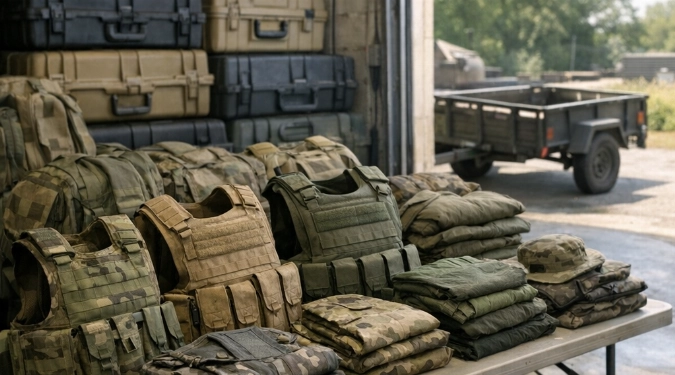
You’ll learn where surplus ends up, how auctions work, and which paperwork matters. You’ll get a buying checklist, realistic price bands, and inspection tips. You’ll also see what gear is worth it, what to skip, and how to store and maintain it after purchase safely.
Where Ex-Military Gear Actually Shows Up
- Federal surplus pipelines. Look for agencies that liquidate rolling stock, tools, and shop equipment.
- State and local auctions. These often include generators, trailers, and fleet maintenance items.
- Private resellers. A dedicated Military Surplus Store can be easier, but you pay a markup.
For smaller kit, a reputable Military Store is usually the fastest path. For big items, auctions are where deals happen.
What You Can Buy Versus What You Can’t
Most restrictions come down to safety and demilitarization. Some items must be cut, disabled, or stripped before sale.
- Commonly available: packs, load-bearing gear, cold weather layers, tents, tool kits, field desks, and some trailers.
- Sometimes available: radios and optics, but often missing parts or locked down for legal reasons.
- Usually restricted: weapons, night vision with controlled specs, and certain armor components.
If a listing is vague about demil, ask for the demil code and what was removed. If the seller cannot explain it, walk away.
Price Bands That Match Real Listings
Pricing swings by condition, completeness, and freight. These ranges fit many recent surplus outcomes.
- Field packs and pouches: $12 to $85 depending on model and fabric wear.
- Boots: $35 to $140, with rebuildable models at the top end.
- Layering pieces: $18 to $220, with insulated parkas highest.
- Hard cases: $25 to $160, often Pelican-style but branded differently.
- Generators: $450 to $3,800, with hours and service records driving the spread.
- Trailers: $600 to $4,500, with title status changing everything.
Budget for freight, tax, and buyer premiums. On auctions, premiums commonly add 10% to 18% to your bid.
Brands And Gear Lines Worth Knowing
Label literacy saves money. These makers show up often and have predictable quality. Arc’teryx LEAF and Patagonia PCU pieces command higher resale, but inspect for seam tape failure. Crye Precision and Eagle Industries load carriage tends to hold up, even when faded. 5.11 Tactical and Propper are common for basics, but check fabric weight and bar tacks.
For Tactical Military Gear, prioritize fit and attachment compatibility over camo pattern. Comfort matters more than aesthetics.
Buying Big Items Without Regret
If you want to Explore Unique Ex Army Machinery, start with logistics. Storage and transport decide the real cost.
- Confirm loading method. Many yards require you to bring a forklift or rollback.
- Ask about titles, SF-97 equivalents, or bill of sale wording for registration.
- Check parts support. Some engines are common, while others are orphaned.
- Plan a maintenance baseline. Change fluids, filters, and batteries before any long run.
For Military vehicles for sale to public, call your DMV with the VIN format before you bid. Some surplus VINs need extra documentation.
How To Build An Affordable Kit
Affordable Military Gear is about picking the right items, not buying everything. Start with one task and build out.
- Workwear: Choose Rugged Military Clothing for abrasion and pockets, then add a simple rain shell.
- Camping: Look for modular sleep systems, then add a modern pad for comfort.
- Vehicle prep: Buy cases, straps, and a field tool roll before chasing specialty items.
Search using the exact NSN when possible. It reduces knockoffs in Military Gear for Sale listings.
FAQs That Save You Time
What Paperwork Should I Save For Resale?
Keep invoices, lot numbers, and photos of serial tags. For titled items, keep every transfer document and any inspection receipts.
How Do I Clean Surplus Gear Without Ruining It?
Use mild detergent and cold water for most fabrics. Air dry only. Heat can damage DWR coatings, seam tape, and hook-and-loop.
How Should I Store Gear Long Term?
Store clean and dry, off concrete, with airflow. Use silica packs in sealed cases. Avoid compression for sleeping bags and insulation.
Disclaimer: The information provided in this article is for educational and informational purposes only. It does not constitute professional advice. Readers should conduct their own research and consult with qualified professionals before making any decisions.