Discover 5 Safer Chemotherapy Alternatives
Chemo isn’t the only path, but the alternatives can be hard to compare. You may be weighing side effects, time in the clinic, and how long results might last. This guide is for people who want plain answers, better questions to ask, and realistic expectations before the next oncology visit.
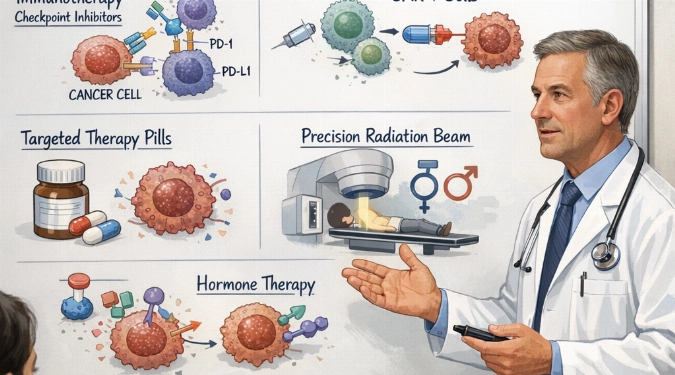
Get a clear list of five treatments that may reduce chemo-style toxicity. Learn which cancers each approach targets, what side effects to watch, and how results are measured. Use the checklists here to prep for an oncology visit and compare options without guessing at the science.
What “Safer” Usually Means In Cancer Care
“Safer” rarely means “no side effects.” It usually means fewer whole-body toxic effects than traditional chemotherapy. It can also mean fewer clinic hours, less nausea, or less nerve damage. Safety depends on your cancer type, stage, and health history.
Ask your clinician two questions. “What is the goal, cure or control?” “What is the main risk that changes my daily life?” Write the answers down. They will guide every next step.
Alternative 1: Checkpoint Inhibitor Immunotherapy
Checkpoint inhibitors remove “brakes” that keep immune cells from attacking tumors. Common drugs include pembrolizumab (Keytruda), nivolumab (Opdivo), atezolizumab (Tecentriq), durvalumab (Imfinzi), and ipilimumab (Yervoy).
Doctors often test PD-L1 levels, MSI-high status, or tumor mutational burden. Those markers can predict who may benefit. Response is tracked with scans, symptoms, and labs.
Possible side effects of immunotherapy include rash, diarrhea, thyroid changes, hepatitis, and lung inflammation. These are “immune-related” effects, not classic chemo effects. Many are treatable when caught early.
Alternative 2: CAR T And TCR Treatments
Immuno cell therapy is a broad term. The best-known examples are CAR T-cell products for blood cancers. Approved options include Kymriah, Yescarta, Tecartus, Breyanzi, Abecma, and Carvykti.
Cells are collected, engineered, and infused back. Treatment is usually done at certified centers. Monitoring is intense for early side effects.
Key risks include cytokine release syndrome and neurologic effects. These can be serious, but teams have specific protocols. Tocilizumab is commonly used for cytokine release syndrome.
Alternative 3: Targeted Therapy Pills And Infusions
Targeted therapy aims at specific tumor drivers. Examples include EGFR inhibitors like osimertinib (Tagrisso) and ALK inhibitors like alectinib (Alecensa). Other targets include BRAF, HER2, and KRAS G12C.
These treatments often require a biomarker test first. Testing can be from tissue or liquid biopsy. If the target is not present, the drug is unlikely to help.
Side effects vary by drug. Common issues include rash, diarrhea, swelling, or heart rhythm changes. Many people can stay active with dose adjustments.
Alternative 4: Precision Radiation Instead Of Broad Chemo
Some people can use focused radiation as a main tool, or to reduce symptoms. Options include stereotactic body radiation therapy (SBRT), proton therapy, and brachytherapy.
These approaches try to spare healthy tissue. They can be useful for limited metastases, painful bone lesions, or brain metastases. Ask if “oligometastatic” treatment applies to your case.
Alternative 5: Hormone Therapy For Hormone-Driven Cancers
Hormone therapy can slow cancers that depend on estrogen or testosterone signaling. Examples include tamoxifen, aromatase inhibitors, and androgen-deprivation therapy. CDK4/6 inhibitors are often paired in some breast cancers.
Side effects can include hot flashes, sexual changes, bone loss, and mood shifts. Bone density monitoring may be part of the plan. Some regimens are taken for years.
Where Immunotherapy Fits For Melanoma And Lung Cancer
For melanoma, results depend on stage and drug choice. People often ask about keytruda success rate melanoma, but your clinician should cite stage-matched trial data. Combination therapy can increase response but can raise toxicity.
For lung cancer, immunotherapy for lung cancer may be used alone or with chemo. Biomarkers and smoking history can affect benefit. Immunotherapy for Lung Cancer Life Expectancy varies widely by stage and response.
For advanced disease, ask about New Treatments for Lung Cancer Stage 4, including targeted drugs and antibody-drug conjugates. Many “New Cancer Treatment Breakthrough” headlines are early data. Ask what phase the evidence is in.
FAQs People Ask Before Saying Yes
What Types of Cancer Can be Treated with Immunotherapy?
It is used across melanoma, lung, kidney, bladder, head and neck, some breast cancers, and several blood cancers. Eligibility often depends on biomarkers and prior treatments.
What Makes Side Effects Different From Chemo?
Chemo often harms fast-growing healthy cells. Immunotherapy for cancer diseases can trigger inflammation in normal organs. Call promptly for new cough, severe diarrhea, or yellowing eyes.
How Do I Find New Options For Cancer Treatment?
Ask for a second opinion at an NCI-designated cancer center. Request a clinical trial search using ClinicalTrials.gov terms from your biomarkers. Bring the trial IDs to your oncologist.
References
- National Cancer Institute: Immunotherapy and cancer treatment overviews.
- FDA: Drug approvals and prescribing information for checkpoint inhibitors and CAR T-cell therapies.
- NCCN Guidelines: Evidence-based treatment pathways by cancer type.
Disclaimer: The information provided in this article is for educational and informational purposes only. It does not constitute professional advice. Readers should conduct their own research and consult with qualified professionals before making any decisions.