
Discover 5 Budget Landscaping Fixes for Expensive-Looking Outdoor Spaces
Want a yard that looks professionally designed without a professional-sized budget? This article breaks down five cheap landscaping fixes that look expensive: crisp bed edging, a cleaner mulch refresh, a smarter plant swap for structure, better-looking solar lighting placement, and a small gravel or paver feature that adds instant “finished” polish. You’ll also get practical notes on typical cost drivers (like delivery fees and material volume), plus FAQs to help you pick the fastest upgrade for your space.
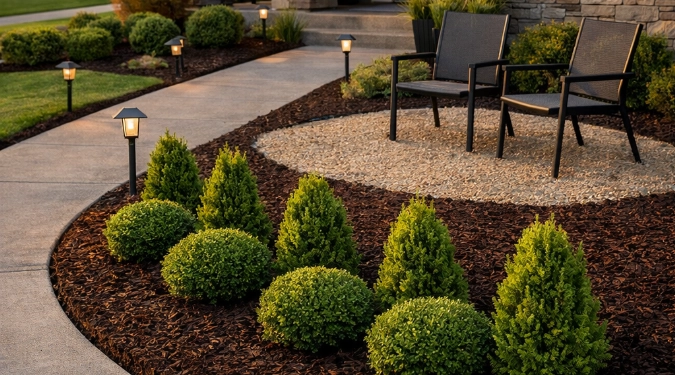
An outdoor space can look high-end without a high-end bill. Below are five cheap landscaping fixes that look expensive, each one designed to upgrade what people notice first: edges, color, lighting, texture, and a clean “finished” line around the home.
1) Cut In Crisp Edges And Add Simple Borders
Nothing makes a yard look “done” faster than clean separation between lawn, beds, and paths. Start by re-cutting bed lines with a flat shovel or half-moon edger, then commit to a consistent shape (gentle curves are forgiving). This is one of the most reliable low-cost curb appeal hacks because it’s mostly labor, not materials.
What To Use For A Budget Border
For a polished edge, choose one border style and repeat it throughout the front yard. Common options include black steel edging (often 4-inch or 6-inch tall), paver “soldier courses,” or natural stone lined tightly. If you want the simplest look, skip edging products entirely and maintain a sharp trench edge that you refresh a few times per season.
2) Refresh Mulch The Right Way
Fresh mulch reads as “professional landscaping,” but the trick is to apply it evenly and not too deep. Most beds look best with about 2–3 inches after fluffing and leveling. Go deeper and you may smother plants or invite moisture issues around stems.
How To Make Mulch Look More Expensive
Choose one color and stick to it (dark brown tends to make greens pop). Before spreading, lay down cardboard or a quality landscape fabric only where needed, then top with mulch for cleaner weed control. This is one of the most practical budget-friendly landscaping tips because it improves color contrast, reduces weeding time, and makes other plants look intentional.
3) Swap A Few Plants For Structure, Not More Plants
Expensive-looking landscapes usually rely on repeatable shapes and “anchor” plants, not a random mix. Instead of buying many small flowers, replace just a few key spots with structured evergreens or clumping grasses that hold form.
Specific Plants That Often Look Polished
Consider boxwood (or boxwood alternatives like inkberry holly), dwarf arborvitae such as ‘Emerald Green,’ or grasses like ‘Hameln’ fountain grass. Use the “rule of three”: plant three of the same variety in a cluster, then repeat that cluster in another bed. This approach supports stylish landscaping on a budget because repetition looks planned, even when the plant count is modest.
4) Add Solar Lighting With A Consistent Layout
Lighting is a fast way to make a walkway and entry feel upscale at night. Solar lights are widely available, but the expensive look comes from restraint and spacing, not quantity. Line one side of a path or set lights in symmetrical pairs near steps and the front door.
Placement That Usually Looks High-End
Aim for even spacing (often 6–10 feet apart depending on brightness). Add two brighter solar spotlights to graze a focal point such as a small tree, house number plaque, or a textured wall. This counts among the easiest cheap garden upgrades because installation is typically push-in and repositionable until it looks right.
5) Create A Clean Gravel Or Paver Feature
A small hardscape zone can elevate the whole yard: think a gravel seating pad, a paver landing by the gate, or a stone strip along the side yard for a tidy, mud-free route. The key is using a proper base so it stays flat and doesn’t wash out.
A Simple Build That Holds Up
For gravel: dig 3–4 inches, compact the soil, lay geotextile fabric, then add 2–3 inches of decomposed granite or 3/8-inch pea gravel and compact again. For pavers: use a compacted base plus bedding sand, then sweep polymeric sand into joints to reduce weeds. These inexpensive garden makeovers often look pricier because they add crisp geometry and a “destination” area.
Quick Cost Reality Check
These fixes stay budget-friendly by focusing on impact per dollar. Edging is mostly sweat equity. Mulch and gravel costs vary by delivery fees and volume, so measuring bed square footage first prevents overbuying. Solar lighting costs depend on lumen output and battery size; buying fewer, better-placed fixtures typically looks more refined than crowding many dim ones. This is the mindset behind affordable landscaping ideas that photograph well and feel intentional in real life.
FAQs
Which Fix Makes The Biggest Difference Fastest?
Crisp edges plus fresh mulch usually changes the look in a single afternoon because it sharpens lines and boosts color contrast immediately.
Is Landscape Fabric Always A Good Idea Under Mulch?
It can help in areas that are hard to weed, but it may also trap organic debris that sprouts weeds on top. Cardboard under mulch is a common alternative for seasonal weed suppression in planting beds.
How Do I Keep Gravel From Spreading Into The Lawn?
Install a physical edge such as steel edging, pavers, or tightly set stone. Without an edge, gravel migrates quickly with rain, leaf blowers, and foot traffic.
What If I Only Have A Tiny Front Yard Or A Rental?
Prioritize edges, container plants, and solar lighting. Containers (like 18–24 inch resin or fiberglass planters) give you structure and height without digging, and they’re easy to move later.
Conclusion
If you want an expensive-looking outdoor space without overspending, focus on five visible upgrades: crisp edges, correctly applied mulch, a few structured plants, well-spaced solar lighting, and one clean gravel or paver feature. Taken together, these cheap landscaping fixes that look expensive create the tidy lines and repeatable design that make a yard feel thoughtfully finished.
Disclaimer: The information provided in this article is for educational and informational purposes only. It does not constitute professional advice. Readers should conduct their own research and consult with qualified professionals before making any decisions.