
Digestive Health and Stool: Colon Cancer Warning Signs
Stool and digestive changes are easy to dismiss, but some patterns can be colon cancer warning signs, especially when they are new, persistent, or paired with fatigue, abdominal pain, or unexplained weight loss. This article explains what to watch for in stool color, visible blood, mucus, consistency, and shape, plus how bowel habit shifts like ongoing constipation, diarrhea, or a feeling of incomplete emptying can fit into the bigger picture. You’ll also learn a practical, at-home way to track symptoms for two weeks, what details help clinicians decide on next steps, and how common screening options like colonoscopy, FIT, and Cologuard are typically used for earlier detection.
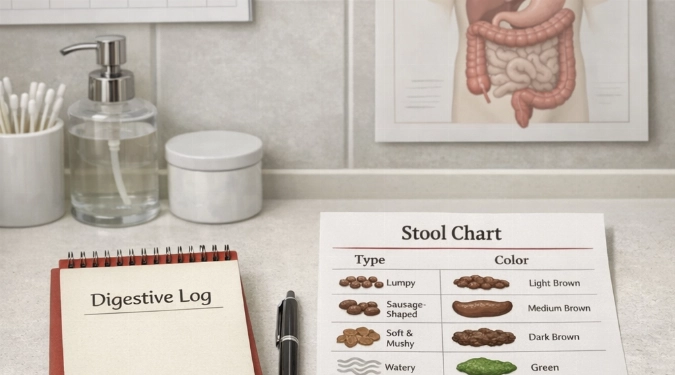
Your digestive health leaves clues in the toilet bowl. While many changes are harmless, certain stool patterns can be colon cancer warning signs. Learning what to watch for, and when to get medical input, can support earlier detection and calmer decision-making.
Why Stool Changes Can Matter For Colon Cancer
The colon’s job is to absorb water and move waste along. A growth in the colon or rectum can sometimes narrow the passageway, irritate tissue, or bleed, which may show up as changes in stool consistency, shape, or color. These clues are not a diagnosis, but they can be useful signals when they’re new, persistent, or paired with other symptoms.
One reason the warning signs of colon cancer most people ignore are missed is that bowel habits vary with stress, travel, diet, iron supplements, and infections. The key is pattern recognition: a change from your personal baseline that lasts more than a couple of weeks, or keeps returning, deserves attention.
Stool Appearance Warning Signs To Pay Attention To
Blood In Or On The Stool
Bright red blood may come from hemorrhoids or fissures, but it can also occur with rectal or lower-colon bleeding. Dark, tarry stool can suggest digested blood from higher in the digestive tract. Either way, blood that is new, recurrent, or unexplained is a common reason clinicians recommend evaluation.
Color Changes That Are New And Unexplained
Black stool can occur with iron supplements or bismuth (such as Pepto-Bismol), and pale or clay-colored stool can be tied to bile flow issues. Because color has multiple causes, it helps to note recent medication changes, supplements, and foods (like beets), and then track whether the color normalizes after a short time.
Mucus And Oily Or Floating Stool
Mucus can appear with irritation or inflammation, and oily, floating stool can reflect fat malabsorption. These findings are more often linked to infections, IBS, celiac disease, or pancreatic issues than cancer, but persistent changes are still worth documenting and discussing.
Changes In Stool Shape And Bathroom Patterns
One of the more discussed clues is changes in stool shape colon cancer signs, such as stool that becomes persistently thinner or ribbon-like. This can happen when something narrows the bowel lumen. Occasional variation is common, but a sustained change from your norm is the part that matters.
Also pay attention to bowel pattern shifts: new constipation, new diarrhea, or alternating constipation and diarrhea that doesn’t settle. A persistent feeling of incomplete evacuation (tenesmus) can be another clue people describe, particularly with rectal involvement.
Digestive And Whole-Body Symptoms That Can Pair With Stool Changes
Stool changes mean more when they occur alongside other symptoms, especially if the combination is new for you. Commonly noted symptoms include:
- Ongoing abdominal cramping, gas pains, or bloating that is unusual for you
- Unexplained fatigue or shortness of breath, sometimes related to iron-deficiency anemia from slow blood loss
- Unintentional weight loss without a clear reason
- Persistent nausea or reduced appetite that doesn’t track with a short-term illness
These symptoms can have many causes, but clusters and persistence are what clinicians take seriously.
How To Monitor Digestive Health At Home Without Guessing
If you’re trying to understand how to recognize colon cancer symptoms early at home, focus on observation and documentation rather than self-diagnosis. A simple two-week log can make medical visits more productive.
| What To Track | What It Can Clarify |
|---|---|
| Stool color and visible blood | Whether changes are one-off, supplement-related, or recurring |
| Stool shape and frequency | Trends like persistent narrowing, constipation, or diarrhea |
| Pain location and timing | Patterns tied to meals, bowel movements, or nighttime symptoms |
| Medications and supplements (iron, bismuth, NSAIDs) | Common causes of color change, irritation, or bleeding risk |
If you contact a clinic, this log helps a clinician decide whether to start with a stool test, bloodwork (including a complete blood count for anemia), or direct visualization such as colonoscopy.
When It’s Time To Seek Medical Advice
Consider prompt medical evaluation if you notice persistent rectal bleeding, black/tarry stool without a clear explanation, a bowel habit change lasting more than two weeks, or stool narrowing that doesn’t resolve. It’s also reasonable to seek care sooner if symptoms occur with dizziness, worsening fatigue, or significant abdominal pain.
For prevention and early detection, many guidelines recommend routine screening starting at age 45 for average-risk adults. Common screening options include colonoscopy (often every 10 years if normal) and at-home stool-based tests such as FIT (typically yearly) or Cologuard (often every 3 years). A clinician can match the method to your risk factors and history.
FAQ
Can Hemorrhoids Explain Blood In The Toilet?
They can. Hemorrhoids often cause bright red blood on toilet paper or coating the stool. Because bleeding can also come from other sources, recurring or unexplained bleeding is usually evaluated rather than assumed.
Is Thin Or Ribbon-Like Stool Always A Cancer Sign?
No. Stool can look narrower with constipation, pelvic floor issues, or spasm. The concern rises when a clear, persistent change from your usual stool shape lasts weeks or keeps returning.
What If My Stool Turns Black After Starting A Supplement?
Iron commonly darkens stool, and bismuth products can as well. If black stool appears without those triggers, or comes with weakness, dizziness, or abdominal pain, it’s typically discussed with a clinician promptly.
Which Screening Test Is “Best” For Early Detection?
Different tests detect different things. Colonoscopy can find and remove polyps during the same exam, while FIT and multitarget stool DNA tests (such as Cologuard) are noninvasive options that can be done at home on a schedule. A clinician considers age, family history, and symptoms to choose an approach.
Conclusion
Digestive health and stool changes can offer early hints that something in the colon deserves a closer look. Track new, persistent changes in blood, color, stool shape, and bathroom patterns, and note symptoms like fatigue or ongoing pain. When patterns don’t resolve, medical evaluation and age-appropriate screening are the practical next steps.
Disclaimer: The information provided in this article is for educational and informational purposes only. It does not constitute professional advice. Readers should conduct their own research and consult with qualified professionals before making any decisions.