
Decoding Cat Bites: Insights Into Feline Behavior
It can be baffling and even a little hurtful when a beloved pet suddenly sinks their teeth into your hand. You might be left asking, “why does my cat bite me?” especially when the moment before was peaceful. Rest assured, this behavior is rarely a sign of malice. In almost every case, a bite is a sophisticated form of communication.
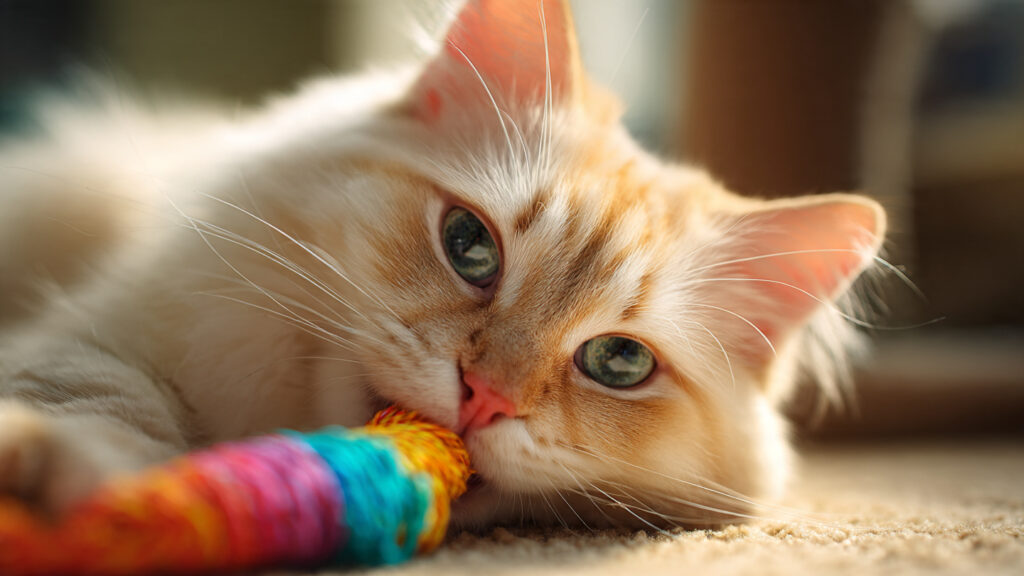
Decoding cat bites requires shifting your perspective from “bad behavior” to “conversation.” This guide provides the insights into feline behavior you need to understand exactly what your cat is saying. Whether you are wondering “why does my cat bite me gently” during a cuddle session or “why does my cat bite me for no reason” out of the blue, we will break down the specific triggers—from play and overstimulation to stress—so you can respond calmly and strengthen your bond.
Understanding the Different Types of Cat Bites
Before analyzing the “why,” it is crucial to categorize the “what.” Cat behavior explained simply often starts with context; not all bites carry the same message. A cat uses their mouth as a tool for everything from affection to self-defense.
- Playful Nips: These are quick, low-pressure bites often seen when a cat is excited. If you find yourself asking, “why does my cat grab my hand and bite me?” it is often a misdirected play instinct.
- Love Bites: A gentle nibble, often accompanied by purring or licking, is known as a “love bite.” It mimics the grooming behavior kittens experience with their mothers.
- Warning Bites: This is a firm, deliberate nip that stops short of breaking skin. It is a clear signal: “Stop what you are doing right now.”
- Aggressive Bites: These are serious, deep bites often accompanied by hissing, flattened ears, or growling. This indicates genuine fear or anger and requires immediate space.
Common Reasons Your Cat Bites and How to Respond
To truly master decoding cat bites, you need to identify the root cause. As promised, here are the four most common drivers of this behavior and the specific ways to handle them.
1. Play-Related Biting
Kittens learn social boundaries by wrestling with littermates. If they bite too hard, the sibling yelps and stops playing. If you use your hands or feet to wrestle with your cat, you are teaching them that human skin is a toy.
What it looks like: Your cat ambushes your ankles or grabs your hand while “bunny-kicking” with their hind legs. Their ears are usually forward, and their body is loose, not tense. How to respond calmly:
- Never use hands as toys. This is non-negotiable.
- Redirect immediately. When the biting starts, offer an appropriate target. Using a dedicated kicker toy like the Yeowww! Catnip Stogie or a wand toy like Da Bird redirects that predatory energy onto an object, not you.
- The “Ouch” Method: If teeth touch skin, make a high-pitched sound and withdraw attention. This replicates the feedback a littermate would give.
2. Overstimulation (Petting-Induced Aggression)
This answers the common question: “why does my cat bite me when I’m petting them?” Every cat has a tolerance threshold for touch. When that limit is reached, the sensation turns from pleasant to irritating, leading to a snap.
What it looks like: Watch for the “pre-bite” warnings: a twitching tail, skin rippling along the back, or ears turning sideways. How to respond calmly:
- Respect the threshold. Keep petting sessions short and stop before the tail starts twitching.
- Stick to safe zones. Focus on the cheeks, head, and chin. Avoid the belly and base of the tail, which are high-sensitivity areas.
- Freeze. If they bite, do not pull away instinctively (which triggers a chase reflex). Go limp, and they will usually let go.
3. Biting as Communication
Sometimes, a bite is just a request. Since they cannot speak, cats use physical tactics to get what they want, whether it is food, a door opened, or attention.
What it looks like: These are often controlled nips that happen at specific times, like early morning (for breakfast) or when you are ignoring them. How to respond calmly:
- Do not reward it. If you get up to feed them immediately after a bite, you have reinforced the behavior. Wait for a moment of calm before acting.
- Enrichment is key. Boredom often drives attention-seeking bites. Incorporating puzzle feeders from brands like Catit or Trixie stimulates their brain and reduces the urge to nag you physically.
4. Biting Due to Stress, Fear, or Pain
If a normally gentle cat starts biting, it is a red flag. Pain or fear can cause a “fight or flight” response where biting is the only defense.
What it looks like: The cat may be hiding, crouching, or hissing. The bite occurs when you try to approach or touch a specific area. How to respond calmly:
- Medical Check: Sudden aggression is a top symptom of dental pain, arthritis, or injury. A vet visit is mandatory to rule this out.
- Identify Stressors: Has there been a change in the home? New furniture, loud noises, or guests can trigger fear-biting.
- Safe Spaces: Ensure they have a high perch or a covered bed (like a “cat cave”) where they can retreat and feel invisible.
Frequently Asked Questions
Why does my cat bite me gently and then lick me? This is often a “love bite” or social grooming. It signifies affection and bonding. However, it can also be a sign of mild overstimulation—the lick is an apologetic gesture after the nip.
Is it my fault that my cat bites me? It is better to view it as a miscommunication than a fault. By learning cat behavior explained in this guide, you can adjust your interactions to respect their boundaries, preventing the bite before it happens.
When should I see a veterinarian or a behaviorist? If the biting is sudden, severe, breaks the skin deeply, or is accompanied by other signs of illness, consult a vet immediately to rule out pain. For persistent behavioral issues, a certified cat behaviorist can provide a tailored modification plan.