
COPD-Friendly Snacking Guide to Support Better Breathing
Maintaining proper nutrition through smart snacking is a vital component of managing Chronic Obstructive Pulmonary Disease (COPD). For many, the act of eating large meals can cause shortness of breath as a full stomach presses against the diaphragm. By focusing on the best foods for COPD in small, frequent portions, patients can maintain their energy levels without overtaxing their respiratory system. This guide explores healthy snacking tips specifically tailored to support lung function, highlighting which food for COPD patients provides the most benefit and which items to avoid.
Why Strategic Snacking Matters for Lung Health
For those living with respiratory challenges, the body often requires more energy just to breathe. This means that choosing the right food for COPD patients is not just about general health, but about fueling the high metabolic demand of the respiratory muscles. High-protein, high-fat, and low-carbohydrate snacks are often recommended because the metabolism of carbohydrates produces the most carbon dioxide, which can be difficult for damaged lungs to expel.
Following healthy snacking tips like eating five to six small snacks a day rather than three large meals can significantly improve comfort. Small portions prevent the stomach from bloating and pushing upward, which allows the lungs more room to expand. Centering your diet on the best foods for COPD—such as those rich in antioxidants and healthy fats—helps reduce systemic inflammation and supports overall strength.
The Best Foods for COPD Snacking
When selecting food for COPD patients, the goal is to find nutrient-dense options that are easy to chew and swallow. Fatigue can sometimes make eating a chore, so the best foods for COPD are those that provide high value with minimal effort.
- Nut Butters and Celery: A classic combination that provides healthy fats and protein with a satisfying crunch.
- Greek Yogurt: This is an excellent food for COPD patients as it is high in protein and calcium, which are essential for muscle and bone health.
- Hard-Boiled Eggs: These are easy to prepare in advance and offer a high-quality protein source that doesn’t produce excessive carbon dioxide during digestion.
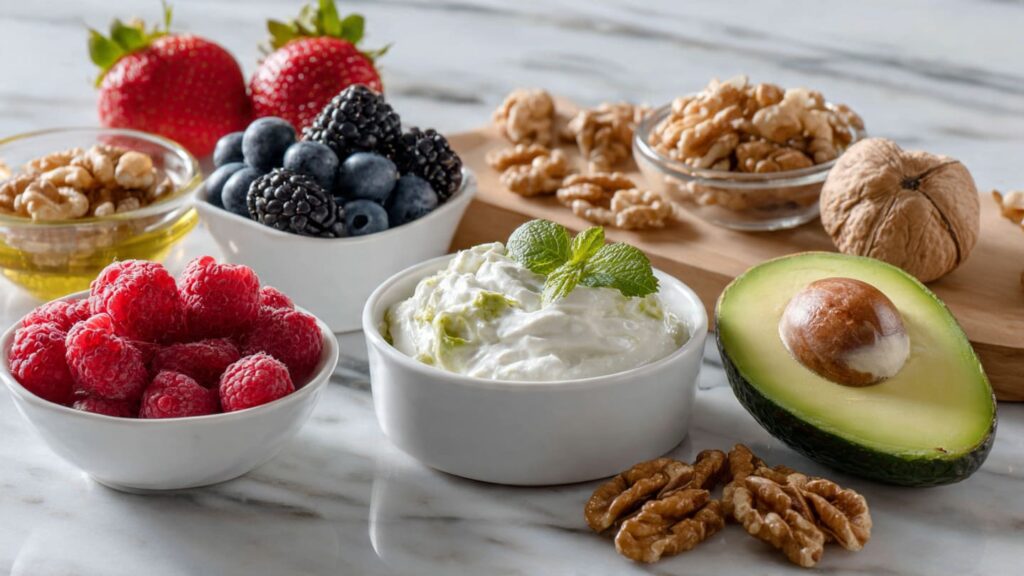
- Avocados: Packed with healthy monounsaturated fats, avocados are among the best foods for COPD because they are calorie-dense and soft in texture.
- Berries and Walnuts: A handful of blueberries or walnuts provides antioxidants that may help protect lung tissue from oxidative stress.
Navigating COPD Food Restrictions
Understanding COPD food restrictions is just as important as knowing what to eat. Certain ingredients can cause gas, bloating, or increased mucus production, all of which make breathing more labored. Common foods to avoid with COPD include highly processed items and those with excessive sodium, which can lead to fluid retention—a condition that puts additional strain on the heart and lungs.
Strategic avoidance is a key part of healthy snacking tips. For instance, many patients find that fried foods or heavy dairy products can thicken mucus, making it harder to clear the airways. By adhering to these COPD food restrictions, individuals can focus their appetite on items that promote ease of movement and better oxygen exchange throughout the day.
Foods to Avoid with COPD
To maintain the best possible breathing environment, it is helpful to keep a list of foods to avoid with COPD in your kitchen. Eliminating these triggers can lead to immediate improvements in how you feel after eating.
- Salt and Sodium: Excessive salt causes the body to hold onto water, which can make breathing feel “heavy” and restricted.
- Carbonated Beverages: Sodas and sparkling waters can cause immediate bloating and pressure on the diaphragm.
- Cruciferous Vegetables (Raw): While healthy, raw broccoli or cauliflower can cause gas; it is better to steam them to adhere to COPD food restrictions.
- Cold Cuts and Cured Meats: These often contain nitrates and high sodium levels, making them significant foods to avoid with COPD.
- Excessive Simple Sugars: High-sugar snacks can lead to rapid carbon dioxide production, which may trigger shortness of breath.
Frequently Asked Questions
What are the best foods for COPD to eat when I have no appetite? When appetite is low, focus on liquid or soft food for COPD patients like protein-rich smoothies or full-fat yogurt. These are easier to consume than dry or crunchy foods when you are feeling fatigued.
Are there specific healthy snacking tips for nighttime? To support better breathing at night, avoid foods to avoid with COPD like caffeine or heavy, spicy snacks right before bed. A small piece of cheese or a few nuts can provide sustained energy without causing nighttime reflux.
How does sodium affect COPD food restrictions? Sodium is one of the most important COPD food restrictions because fluid retention can lead to edema and increased pulmonary pressure. Always check labels on snack bars or canned goods to ensure they are low-sodium.
Why are carbohydrates often limited in food for COPD patients? Carbohydrates produce more carbon dioxide for every molecule of oxygen used compared to fats and proteins. Minimizing simple carbs is one of the top healthy snacking tips for reducing the workload on the lungs.
Conclusion: By choosing the best foods for COPD and adhering to a consistent snacking schedule, you can take control of your energy levels and respiratory comfort. Implementing these healthy snacking tips—such as choosing high-protein options and observing COPD food restrictions—creates a supportive environment for your lungs to function efficiently. While managing foods to avoid with COPD may require a change in habits, the reward is a clearer, more energized life. Finding the right balance of food for COPD patients is a powerful step toward maintaining your independence and vitality.
Reference Articles:
- The Impact of Macronutrients on Carbon Dioxide Production
- Sodium and Fluid Retention in Chronic Lung Disease
- Antioxidant-Rich Foods and Respiratory Health