
Buying Police Impound Pick-Up Trucks: Complete Guide with Smart Tips
This guide explains how to approach buying police impound pick up trucks with clear, practical steps: where these trucks are sold, how to inspect them during preview, how to set a firm bid limit based on total ownership cost, and what title and pickup rules can affect registration. You’ll also learn the differences between impound vehicles and government fleet surplus, what tools to bring (like an OBD-II scanner and flashlight), and how to avoid common auction mistakes that turn a low bid into a high repair bill.
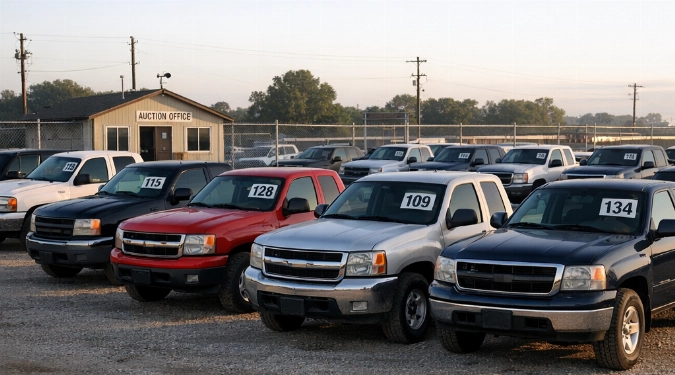
Police impound pick-up trucks can be a practical way to get a work-ready vehicle without paying retail. The catch is that impound auctions move fast, the trucks are sold as-is, and a “good deal” only stays a deal if you inspect, budget, and bid with a plan.
What Police Impound Pick-Up Trucks Really Are
Most pick-ups at impound auctions are not ex-police patrol trucks. They’re typically repossessions, tow-ins from arrests, unclaimed vehicles, or vehicles held for administrative reasons and then released for sale. That means condition ranges from “needs a battery” to “needs an engine,” and your job is to separate normal wear from expensive surprises.
You’ll also see true fleet units in the broader public-auction ecosystem: municipal utilities, transportation departments, or park services retiring older trucks. Those often appear through surplus channels rather than impound lots, and maintenance history may be better documented.
Where These Trucks Are Sold And How Sales Work
Police Impound Sales are usually run by a city, county, or contracted auctioneer. Listings may publish VINs, basic notes, and preview times. Some events are in-person, some are online, and some are hybrid. Regardless of format, the rules usually include as-is/no warranty, buyer’s premiums, and tight pickup deadlines.
For government fleet retirements, look for Government Surplus Trucks For Sale through state surplus programs, municipal auctions, or platforms that manage public-asset liquidation. The process often includes registration, a deposit or card on file, and a release form for pickup.
Smart Pre-Auction Research That Prevents Regret
Before bidding, run the VIN through your state’s title checks when available, and consider a paid vehicle history report for red flags like salvage branding, odometer issues, or flood history. Verify whether the auction issues a clear title, a salvage title, or paperwork that requires additional steps at the DMV.
Build a “total cost” number, not just a winning bid. Common add-ons include buyer premium, sales tax where applicable, emissions or safety inspection fees in your state, towing, and immediate catch-up maintenance like fluids, tires, and brakes.
How To Inspect Police Impound Pick-Up Trucks Fast
Preview time is your advantage. Bring a flashlight, paper towels, a small magnet, a basic OBD-II scanner, and a jump pack if permitted. Look for signs of hard use that matter on trucks: frame rust, bent crossmembers, leaking rear main seal, worn leaf springs, and uneven tire wear that can signal suspension issues.
Mechanical Checks That Matter Most
Pop the hood and check fluid levels and color. Milky oil can indicate coolant contamination; burnt transmission fluid can hint at slipping. If the auction allows starting, listen for cold-start knocks, lifter tick, or belt squeal, and confirm the alternator is charging with a dash light check.
Truck-Specific Wear Points
Inspect the bed for heavy dents, cracked bed rails, and tailgate alignment. Check 4WD engagement on the selector (even if you can’t drive it), and look underneath for transfer-case leaks. Tow hitch wear, wiring splices, and brake controller remnants can reveal a towing life, which is not bad by itself but may mean higher drivetrain wear.
Bidding Strategy For Impounded Vehicle Auctions
Set a firm walk-away price based on your total-cost estimate and likely repairs. Auctions are designed to create urgency, so decide your max bid before the first bid is taken. If you’re new, consider bidding on a later lot after you’ve watched a few sales and understand the pacing and bidder behavior.
Remember that “winning” can also mean overpaying. In many regions, common models like Ford F-150, Chevrolet Silverado 1500, and Ram 1500 show up regularly, so patience often beats chasing a single truck.
Paperwork, Titles, And Pickup Logistics
Ask how long it takes to receive the title and whether there are holds or waiting periods. Some impound situations require extra processing time, and you may not be able to register the truck immediately. Confirm accepted payment methods, pickup windows, and storage fees if you miss the deadline.
If the truck is non-running, arrange towing in advance. Also verify whether personal property is included or removed; many auctions clear items out, and you should not assume toolboxes or accessories stay with the vehicle.
Common Pitfalls And How To Avoid Them
- Skipping preview: photos rarely show undercarriage rust, leaks, or mismatched tires.
- Ignoring title status: a branded title can reduce resale value and complicate insurance.
- Underbudgeting: tires, battery, brakes, and fluids can quickly add up after you buy.
- Assuming fleet maintenance: impound trucks are often owner vehicles, not maintained by an agency.
FAQ
Can I Buy Police Auction Trucks Without A Dealer License?
Many public auctions allow anyone to bid, but rules vary by state and auctioneer. Some dealer-only auctions exist, so confirm bidder eligibility before you register.
Are Auction Police Vehicles Always Former Police Units?
No. Many are simply held by law enforcement or towing contractors and sold after legal timelines are met. True agency fleet units are more common in surplus sales than impound lots.
Is It Safe To Buy Used Police Trucks As A Daily Driver?
It can be, as long as you verify title status, inspect thoroughly, and budget for catch-up maintenance. A pre-purchase inspection by a mechanic is ideal when the auction allows it; otherwise, plan for a post-purchase inspection immediately.
Where Do I Find Auction Listings?
Check city or county auction calendars, contracted auction companies, and state surplus pages. You can also watch regional calendars that aggregate listings for Auction Police Vehicles and municipal fleet sales.
Conclusion
Buying police impound pick up trucks is mostly about preparation: know where the trucks come from, inspect quickly but carefully, set a total-cost ceiling, and confirm title and pickup rules before you bid. Do that, and these auctions can be a realistic path to a capable pick-up without retail pressure.
Disclaimer: The information provided in this article is for educational and informational purposes only. It does not constitute professional advice. Readers should conduct their own research and consult with qualified professionals before making any decisions.