
Boost Your Brain: Essential Nutrients for Better Memory & Focus
This guide explores how specific nutrients influence memory, attention, and overall cognitive performance. If you’re curious about nutrition and cognitive concepts or want to understand how dietary choices improve mental focus, here are the essential nutrients proven to support brain function.
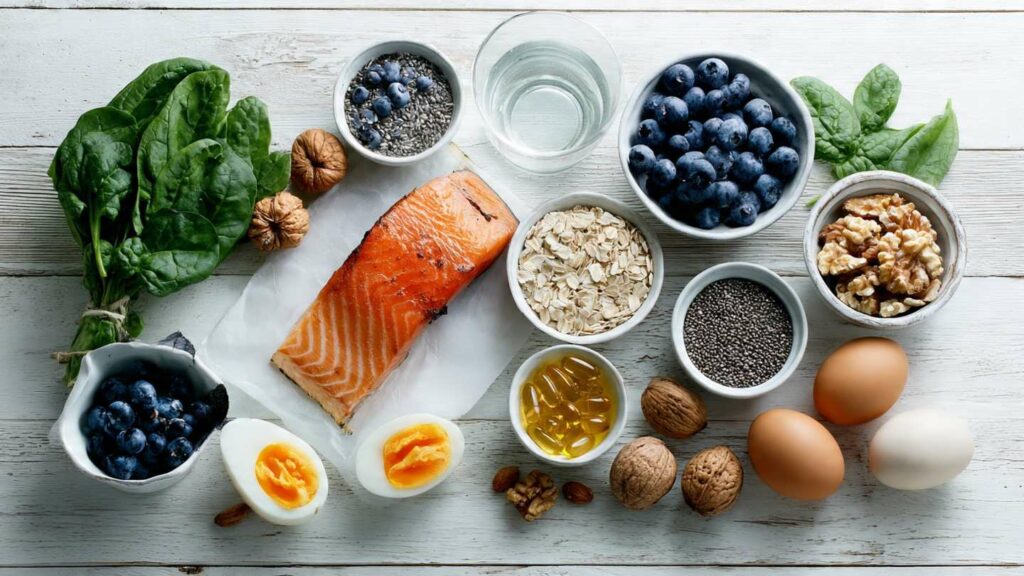
The Connection Between Your Plate and Your Brain
Understanding how food influences cognitive performance is central to the effects of nutrition on cognition. The brain relies on a constant supply of nutrients to power attention, memory, and processing speed. What you eat shapes neurotransmitter activity, blood flow, and energy metabolism—all the foundations of sharper focus and better recall.
How Nutrition Directly Affects Memory & Focus
- Glucose provides immediate fuel for brain cells.
- Vitamins and minerals power neurotransmitter production, influencing how memories form.
- Healthy fats stabilize brain-cell membranes, supporting mental speed and precision.
B Vitamins: The Brain’s Support Crew
B vitamins are among the most studied nutrient categories and cognition enhancers because they play direct roles in memory formation, energy metabolism, and neural communication.
B vitamins help convert food into usable energy and support the creation of neurotransmitters such as serotonin and acetylcholine—chemicals heavily involved in memory process references.
Key B Vitamins With Cognitive Benefits
- B6 (Pyridoxine): Supports neurotransmitter synthesis, helping the brain regulate mood and focus.
- B9 (Folate): Critical for DNA repair and brain cell growth; low levels are linked to slower information processing.
- B12 (Cobalamin): Essential for protecting nerve cells; deficiencies commonly cause memory problems, especially in older adults.
Foods Rich in Brain-Boosting B Vitamins: Leafy greens, Eggs and dairy, Fortified cereals, Salmon and tuna
Omega-3 Fatty Acids: The Brain’s Building Blocks
Omega-3s are structural components of brain cells. They enhance communication between neurons, making them one of the most effective nutrients for boosting mental sharpness and protecting long-term cognitive function.
Omega-3s—particularly DHA—create flexible cell membranes. This flexibility improves how nerves fire, which directly supports mental focus information and working memory.
Major Cognitive Benefits
- Better recall: DHA is highly concentrated in the hippocampus, the brain’s memory center.
- Improved attention: EPA and DHA support balanced neurotransmitter activity.
- Reduced brain inflammation: Helps preserve mental processing as people age.
Best Omega-3 Food Sources: Fatty fish (salmon, sardines, mackerel), Chia and flaxseeds, Walnuts, Algae-derived supplements (a plant-based DHA option)
These nutrients deliver measurable improvements in cognitive performance and are essential for supporting memory and concentration.
Vitamin E: The Protective Antioxidant
Vitamin E is often highlighted in nutrition and cognitive concepts because it protects brain cells from oxidative stress—a known contributor to age-related memory decline. How Vitamin E Supports Cognitive Health:
- Functions as a powerful antioxidant to protect neurons.
- Helps stabilize cell membranes.
- Supports immune balance within brain tissue.
Typical Benefits on Cognitive Function
- Slower cognitive aging
- Sharper recall in older adults
- Potential reduction in mild memory impairment
Top Vitamin E Food Sources: Almonds and sunflower seeds, Spinach and broccoli, Avocado, Olive oil
Vitamin E does not act alone, but it plays an important protective role within a nutrient-rich diet for better mental performance.
Beyond Vitamins: Flavonoids and Other Nutrients
While vitamins and fats receive the most attention, numerous additional compounds in food also enhance brain performance. These include flavonoids, amino acids, minerals, and antioxidants—all with distinct roles in dietary factors in brain-function discussions.
Flavonoids—found in deeply colored fruits and vegetables—improve blood flow to the brain and support neural signaling.
Cognitive Benefits of Flavonoids
- Enhanced learning and memory
- Faster cognitive processing
- Reduced inflammation in brain pathways
Examples of Flavonoid-Rich Foods: Blueberries, Dark chocolate (70%+ cacao), Citrus fruits, Green tea
Additional Nutrients That Boost Memory & Focus
- Choline: Supports acetylcholine—the neurotransmitter responsible for memory encoding. Commonly found in eggs and soybeans.
- Magnesium: Helps calm the nervous system and supports learning by regulating synaptic activity.
- Zinc: Essential for brain plasticity, affecting learning and memory.
Together, these nutrients form a powerful foundation for sharper thinking and more sustainable focus, aligning perfectly with the promise of the article title.
Creating a Brain-Healthy Eating Pattern
Knowing which nutrients support memory is helpful—but real cognitive improvement comes from eating patterns that consistently deliver these nutrients. This section focuses on how to structure daily meals for sustained mental clarity.
A brain-boosting eating pattern should combine nutrients strategically rather than relying on a single food or supplement. Here’s how to integrate everything covered in this article:
Guidelines for a Brain-Boosting Diet
- Prioritize whole foods: Vegetables, fruits, whole grains, and quality proteins supply synergistic nutrients essential for cognition.
- Include omega-3s weekly: Aim for 2–3 servings of fatty fish or plant-based alternatives.
- Balance B vitamins daily: Include leafy greens, legumes, eggs, and fortified grains.
- Use healthy fats: Olive oil, nuts, seeds, and avocado support cognitive stability.
- Limit processed foods: Excess sugar and trans fats can impair memory and attention.
Examples of Brain-Enhancing Daily Meal Patterns
- Breakfast: Oatmeal with blueberries and walnuts
- Lunch: Spinach salad with salmon and sunflower seeds
- Snack: Dark chocolate and green tea
- Dinner: Stir-fry with lean protein, broccoli, and brown rice
These examples transform the effects of nutrition on cognition into practical, daily habits that support mental stamina and memory function.
Conclusion: This article delivered on the promise of the title by identifying the essential nutrients that strengthen memory and improve focus. From B vitamins and omega-3s to flavonoids and vitamin E, each nutrient plays a targeted role in supporting clearer thinking and long-term cognitive health. With consistent, intentional food choices, you can actively boost your brain and build a sharper, more resilient mind—one meal at a time.