
Bathroom Wall Panels: Costs, Features, and Style Options Explained
Bathroom wall panels can deliver a modern look with fewer seams than tile, but the right choice depends on cost, waterproofing method, durability features, and the style you want to live with. This article breaks down typical material and installed price ranges, what drives costs (especially wall prep and trims), and the features that support a low-maintenance bathroom—like seam design, steam tolerance, and cleaning compatibility. You’ll also compare common panel materials, explore popular finishes, and get clear FAQs on waterproof ratings, installation over existing surfaces, cleaning, and expected lifespan.
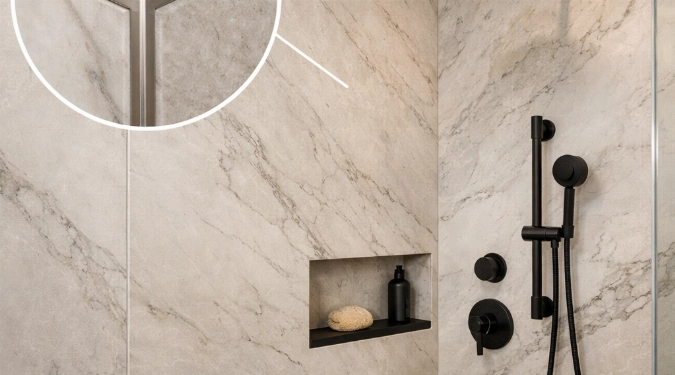
Tile isn’t the only way to get a clean, modern shower. Bathroom wall panels can look high-end, install faster than tile in many cases, and cut down on grout-scrubbing—if you pick the right material, thickness, and waterproofing method for your space.
What Bathroom Wall Panels Are And Where They Work Best
Bathroom wall panels are large-format sheets designed to cover walls in wet or humid areas, including shower surrounds, tub walls, and full bathroom walls. Compared with small tiles, panels reduce seams, which can make routine cleaning simpler and can help limit moisture pathways when installed correctly. Many homeowners choose panels to refresh an older bath without a full tear-out, or to create a sleek “slab” look that mimics stone, concrete, or marble.
When you’re evaluating Panels for Bathroom projects, focus first on where the panels will go: a full shower enclosure needs a purpose-built wet-area system (panel material plus compatible trims, sealants, and sometimes backer requirements), while a vanity wall or half-bath may only need moisture resistance and a durable surface.
Bathroom Wall Panel Costs: Typical Ranges And What Drives Price
Costs for bathroom wall panels vary widely based on material, thickness, print/finish quality, and whether you’re covering just a feature wall or a full shower. As a practical planning range, panel materials often land between two and thirty per square foot, while installed pricing commonly falls between fifteen and seventy per square foot depending on labor, prep work, and edge details. Custom sizes, premium textures, and integrated niches or benches can raise totals.
What usually changes the price the most is wall prep. If existing walls are out of plumb, damaged, or moldy, you may need new backer board, leveling, or waterproofing steps before panels go on. For Wall Panels for Bathroom remodels, also budget for trims (inside corners, end caps), adhesive, sealant, and any demo or disposal.
Key Features That Matter In A Modern, Low-Maintenance Bathroom
The feature list on a box doesn’t always translate to real-world performance in steam and splash zones. For a bathroom that stays easier to maintain, prioritize features that reduce water entry points and stand up to cleaners used for soap scum and hard water.
- Waterproofing approach: Some systems are inherently waterproof (non-porous panels with sealed joints), while others rely heavily on correct seam sealing and trims.
- Seam design: Tongue-and-groove or shiplap-style edges can help align panels; flat-edge seams may look seamless but demand careful sealing.
- Impact and scratch resistance: Important for family baths, rental units, or tight shower entries where bottles get dropped.
- Heat and steam tolerance: Check suitability for hot showers and, if relevant, for use near a freestanding tub where steam lingers.
- Cleaning compatibility: Non-abrasive cleaners are typical; textured finishes may hide water spots but can hold soap residue if too rough.
When shopping for Waterproof Panels for Bathroom use, verify the manufacturer’s wet-area instructions rather than assuming “water-resistant” equals shower-ready.
Material Options And How They Compare
Different panel cores and surfaces behave differently around water, movement, and temperature swings. Here’s a practical comparison to narrow down what fits your space and budget.
| Panel Type | Typical Strengths | Common Tradeoffs | Good Fit For |
|---|---|---|---|
| PVC | Lightweight, moisture-tolerant, budget-friendly, easy to cut | Can feel less “solid” than stone-look options; heat limits vary | Quick refreshes, rentals, secondary baths |
| Acrylic | Glossy, smooth, low-porosity surface; easy cleaning | Scratches can show; shiny finish isn’t for every style | Bright, clean shower surrounds |
| FRP | Tough, impact-resistant, commonly used in utility spaces | More utilitarian look; seams still need careful finishing | Kids’ baths, high-wear areas |
| Laminated/MDF Core Panels | Wide range of patterns; can mimic tile or stone | Edges and penetrations must be sealed well; core sensitivity varies | Dry-to-damp walls, powder rooms, feature walls |
| Solid Surface | Heavy, premium feel; subtle seams; repairable in some cases | Higher cost; heavier installation | Long-term primary bath upgrades |
For full wet zones, look specifically at systems marketed as Waterproof Wall Panels for Bathroom installations, since the trims and seam method are often as important as the panel itself.
Style Options That Change The Whole Room
Panels aren’t limited to plain white sheets. Common looks include marble veining, subway-tile prints (without grout lines), matte concrete, vertical fluting, and warm wood visuals designed for humid rooms. Finish choice affects upkeep: high-gloss tends to wipe clean easily, while matte can hide smudges and water spotting but may show soap film if not rinsed.
If you’re coordinating fixtures, bring samples home and check them under your actual lighting—warm LEDs can soften gray “stone” prints, while daylight bulbs can make beige tones read cooler. Many Panels for Bathrooms also come with matching trims, which helps edges look intentional instead of improvised.
Installation Reality Check: What To Plan For
Panels can be more forgiving than tile, but they still require flat, sound walls and thoughtful waterproofing at seams, corners, and any plumbing penetrations. A typical workflow includes measuring and layout, wall prep, dry-fitting, cutting openings for valves, adhering panels, then sealing joints and installing trims. In showers, small mistakes—like skipping the recommended sealant or leaving gaps at corners—can shorten the life of the system.
For Waterproof Panels for Bathrooms in a shower, pay extra attention to transitions: where panel meets tub flange, shower pan lip, ceiling, and any niche. These are the spots that decide whether the install stays low-maintenance over time.
FAQs About Bathroom Wall Panels
Are Bathroom Wall Panels Truly Waterproof?
Some are designed to be waterproof as a system, meaning the panel surface is non-porous and the joints are sealed using specified trims and sealants. Others are better described as water-resistant and may be intended for splash zones rather than direct, daily shower spray. Always match the product rating to the location.
Can Panels Go Over Existing Tile Or Drywall?
It depends on flatness and moisture condition. Panels may go over sound, flat tile, but uneven grout lines can telegraph through thinner materials. Over drywall is common outside the shower; inside a shower, follow the system’s backer and waterproofing requirements so moisture doesn’t get trapped behind the panels.
How Do You Clean And Maintain Them?
Most manufacturers suggest non-abrasive cleaners and soft cloths or sponges. Avoid harsh scouring pads that can dull acrylic or damage printed finishes. Regular rinsing and quick wipe-downs help reduce soap film, especially on matte textures.
How Long Do Bathroom Wall Panels Last?
Longevity varies by material quality and installation detail. Well-installed premium systems can last many years, while thin, budget panels in a heavily used shower may show wear sooner at seams or edges. Maintenance is usually more about keeping seals intact than scrubbing grout.
Conclusion: Choosing Panels With Cost, Features, And Style In Balance
Bathroom wall panels can be a smart path to a modern, low-maintenance bathroom when you match the material to the wetness level, understand what drives installed cost, and choose a finish you’ll enjoy seeing every day. Focus on waterproofing method, seam design, and wall prep first—then let style options like marble, concrete, or fluted textures do the visual work.
Disclaimer: The information provided in this article is for educational and informational purposes only. It does not constitute professional advice. Readers should conduct their own research and consult with qualified professionals before making any decisions.