
Baby Supply Assistance: Programs Available For Families
Baby Supply Assistance can help families access essentials like diapers, wipes, formula, baby food, clothing, and safe-sleep items. This article breaks down major programs such as WIC, SNAP, TANF, Medicaid/CHIP, and community options like diaper banks, food pantries, and 211 referrals. It also explains how brand programs (including Pampers rewards and common formula-company coupons) may supplement needs, plus a simple checklist to speed up getting Free Baby Supplies and FAQs for families looking for support, including those searching in MH.
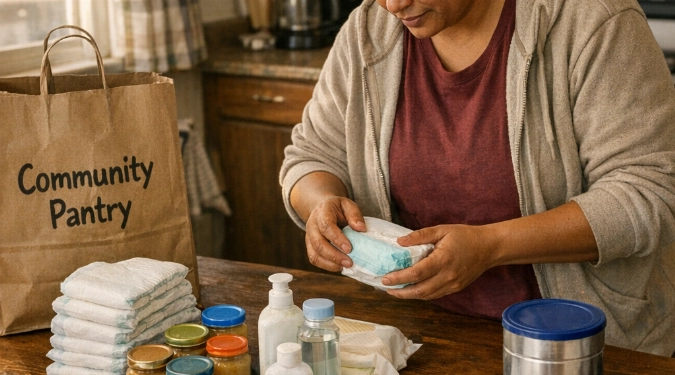
Diapers, wipes, formula, and a safe place for baby to sleep aren’t “extras”—they’re essentials. Baby Supply Assistance programs can help families bridge gaps quickly, whether you’re preparing for a new baby or trying to stretch a tight month after birth.
What Baby Supply Assistance Can Cover
Most family support programs focus on high-need basics. Depending on the program, help may include diapers, wipes, diaper cream, baby food, infant formula, bottles, breast pump access, clothing, and safe-sleep items like pack ’n plays. Some programs also connect families to prenatal and postpartum education, lactation support, and referrals for healthcare or benefits.
Because supplies are often donated or budget-limited, availability can change week to week. If one item is out of stock (for example, a specific formula type), staff can often suggest alternatives or additional resources.
Major National Programs That May Help With Baby Basics
WIC For Formula, Baby Food, And Breastfeeding Support
WIC (Special Supplemental Nutrition Program for Women, Infants, and Children) is one of the most direct ways families receive formula, infant cereal, and baby foods. It may also provide breastfeeding counseling and a food package for the postpartum parent. Enrollment is based on income guidelines and nutritional risk screening, and benefits are typically delivered through an EBT-style card used for approved items.
SNAP And TANF For Grocery And Cash Support
SNAP can free up grocery money so families can redirect limited cash to diapers, wipes, or other essentials. TANF (Temporary Assistance for Needy Families) may provide cash assistance and referrals to supportive services; some states also use TANF-related funds for diaper support through partner agencies.
Medicaid And CHIP For Healthcare-Related Needs
While Medicaid/CHIP usually won’t hand out diapers, coverage can reduce out-of-pocket medical costs for prenatal care, delivery, and pediatric visits. That budget relief is often the difference between running short on formula or keeping a steady supply at home.
Community Programs That Provide Free Baby Supplies
Local organizations often move faster than larger systems and may be the easiest path to Free Baby Supplies when you need them now. These programs typically distribute items on set days or via referrals.
- Diaper Banks: Many areas partner with the National Diaper Bank Network to distribute diapers and period products through food pantries and nonprofits.
- Food Banks And Pantries: Some stock diapers, wipes, and baby food alongside groceries, especially around back-to-school and holiday drives.
- 211 Resource Line: Calling 211 can point you to diaper closets, parenting resource centers, and emergency assistance based on your ZIP code.
- Faith-Based And Community Centers: Churches, mosques, temples, and community hubs often run “baby closets” with clothing and newborn essentials.
If you’re searching specifically for Baby Supply Assistance MH or Free Baby Supplies in MH, ask 211 for “diaper distribution” and “baby pantry” options and include “MH” in your request so they can narrow results to the correct local network.
Brand And Retailer Programs That Can Supplement Essentials
Some families add a small buffer by combining community support with manufacturer programs. Pampers has offered loyalty-style rewards programs where points from purchases can be redeemed for baby-related items or coupons. Formula companies such as Enfamil and Similac have historically offered sample boxes or coupons for eligible families (availability varies). These offers are not a replacement for sustained support, but they can help during transitions like switching diaper sizes.
How To Get Help Faster: A Simple Checklist
Most programs ask for basic verification and a way to contact you. Having the following ready can speed up referrals:
- Photo ID and proof of address (a piece of mail may work)
- Baby’s birth certificate or hospital paperwork (if available)
- Any benefit letters (WIC, SNAP, Medicaid) if you already receive them
- Baby’s current diaper size and approximate weight
- Formula type (including “ready-to-feed,” “powder,” or specialty needs)
FAQs About Free Baby Products And Supplies
Can I Get Diapers If I’m Already On WIC Or SNAP?
Yes. WIC and SNAP focus on food, but many diaper banks and baby closets accept referrals or self-attestation even if you receive other benefits. Bring diaper size and ask about distribution limits per visit.
Do Programs Provide Formula For Newborns?
Often, yes—WIC is a key source for ongoing formula support. Community programs may have limited formula donations, so they may prioritize newborns or emergencies and may not always have specific brands or specialty types.
What If I Need A Crib Or Safe Sleep Item?
Some county health departments, home visiting programs (like Nurse-Family Partnership), and nonprofits run safe-sleep initiatives that provide pack ’n plays along with education. Ask specifically for “safe sleep program” when you call.
Where Can I Find Free Baby Products In MH?
If “MH” is how your community labels your local area or network, start with 211 and ask for diaper banks, baby closets, and family resource centers in MH. You can also ask pediatric clinics and hospital social workers for direct referrals to Free Baby Products in MH that match your baby’s age and needs.
Conclusion
Baby Supply Assistance is real, practical help—diapers, formula, and everyday essentials—delivered through national benefits, community distribution programs, and supplemental brand resources. If you start with WIC and 211, then add a diaper bank or baby closet, you can build a steadier supply plan for your family month to month.
Disclaimer: The information provided in this article is for educational and informational purposes only. It does not constitute professional advice. Readers should conduct their own research and consult with qualified professionals before making any decisions.