
An Essential Guide to Small Backyard Guest Homes
Small backyard guest homes—often called Accessory Dwelling Units (ADUs)—are compact, self-contained residences built on the same lot as a primary home. Across the USA, homeowners use these backyard cottages to support multigenerational living, host guests, create quiet workspaces, or add flexible rental options without moving. This guide explains what qualifies as a backyard guest home, how zoning and design affect feasibility, and what to expect for costs, utilities, and construction—so planning stays practical and realistic.
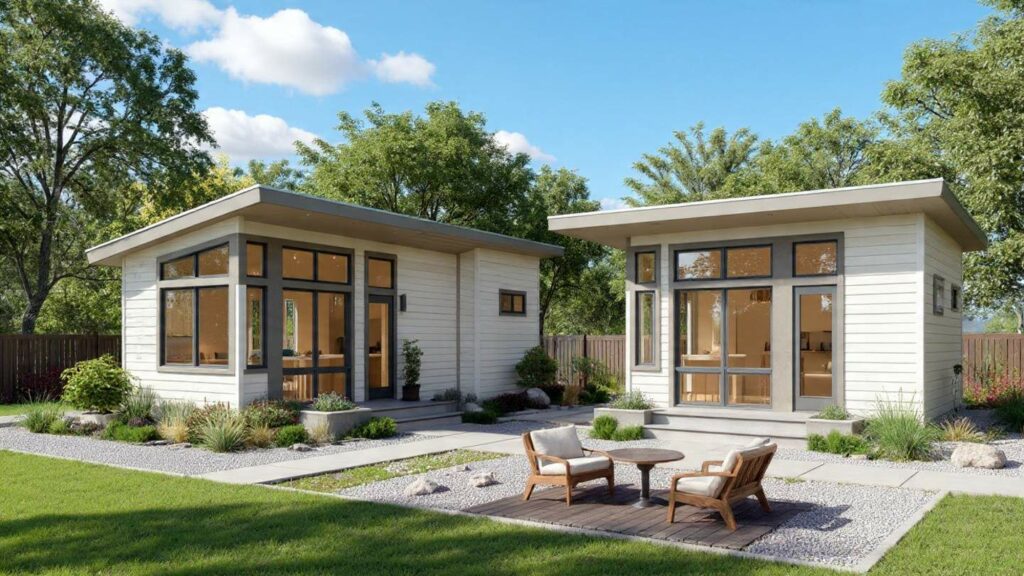
What Counts as a Small Backyard Guest Home
In most U.S. jurisdictions, a backyard guest home is legally classified as an ADU. While styles vary, codes define what qualifies. Common ADU characteristics:
- A secondary dwelling on the same parcel as a primary residence
- A private entrance separate from the main home
- A sleeping area, bathroom, and kitchenette or full kitchen
- Typical sizes between 300–800 sq ft, with local maximums
- Configurations that can be detached, attached, or garage conversions
Prefab kits can shorten timelines, while custom builds allow more flexibility. Some tiny homes qualify as ADUs, but only if they meet local requirements for foundations and permanent utilities.
Benefits and Trade-Offs to Consider Early
Backyard guest homes offer clear advantages—but they also come with planning realities. Potential benefits:
- Independent housing for aging parents or adult children
- Guest accommodations with privacy
- Rental flexibility where permitted
- Added appeal for future buyers in ADU-friendly markets
Key trade-offs:
- Upfront construction and permitting costs
- Temporary disruption during build-out
- Ongoing maintenance and utility expenses
- Neighborhood impacts like privacy, noise, or parking
Whether an ADU increases property value depends on location, rental demand, zoning, and finish quality—value tends to be strongest in markets with housing shortages and favorable ADU rules.
Zoning and Permitting Basics
Before design begins, confirm what your city or county allows. ADU rules are highly local. Typical zoning and permitting factors:
- Setbacks, height limits, and lot coverage
- Maximum size (fixed square footage or % of main home)
- Parking requirements or waivers near transit
- Owner-occupancy rules (varies by jurisdiction)
- Fire access, utility easements, and inspections
Many planning departments publish ADU checklists and pre-approved plans. Pre-submittal meetings can clarify requirements and reduce redesigns later.
Design, Size, and Utility Planning
Good design maximizes comfort in a small footprint while respecting neighbors. Design and layout tips:
- Zone the space: sleep, cook, bathe, store
- Use vaulted ceilings or clerestory windows to add light
- Orient windows for privacy; use landscaping and overhangs
- Add universal design features (zero-threshold showers, wider doors) to future-proof
Utilities to plan early:
- Water, sewer, and electrical trenching (often a major cost variable)
- Shared vs. separate meters (local rules apply)
- Septic capacity verification if applicable
- Efficient systems: ductless mini-splits, heat-pump water heaters, induction cooktops
Costs, Financing Context, and Build Options
Costs vary by site conditions, finishes, and local labor. Planning with ranges—not guesses—keeps expectations grounded. Typical cost components:
- Design & engineering: ~8–12%
- Permits & fees: ~3–8%
- Sitework & utilities: ~10–25%
- Structure & finishes: ~45–60%
- Contingency: ~10–15%
In many U.S. metros, turnkey detached ADUs commonly land between the mid-$100Ks and mid-$300Ks, with prefab units often reducing timelines and soft costs. Custom builds better fit complex lots but require more project management.
Financing (informational context only):
- Home equity options, cash-out refis, renovation loans
- Construction-to-permanent loans in some markets
- Appraisal treatment of ADUs and whether projected rent is considered varies by lender
Pitfalls to Avoid
Learning from common mistakes protects timelines and budgets. Frequent issues to watch for:
- Underestimating utility trenching and stormwater needs
- Skipping soundproofing between units
- Window placements that violate setback privacy rules
- Vague contracts without clear allowances or change-order terms
- Missing warranties and post-build maintenance plans
Conclusion: Small backyard guest homes (ADUs) can unlock flexible living, privacy, and long-term value when planned carefully. By confirming zoning, choosing the right size and design, planning utilities early, and budgeting with realistic ranges, homeowners can build backyard guest homes that work today and adapt tomorrow.