A Guide to Senior Apartments and Affordable Living Options
Securing a comfortable home during retirement can be challenging, particularly when affordability and quality of life both need to be considered. This guide explains what senior apartments provide, what residents can generally expect to pay, and which programs may help older adults across the United States find more affordable housing.
As retirement gets closer, housing priorities often change to emphasize convenience, safety, and opportunities for community connection. Senior apartments are created with older adults in mind, combining independent living with certain conveniences and support that may not be available in traditional housing.
Understanding Senior Apartments and Their Benefits
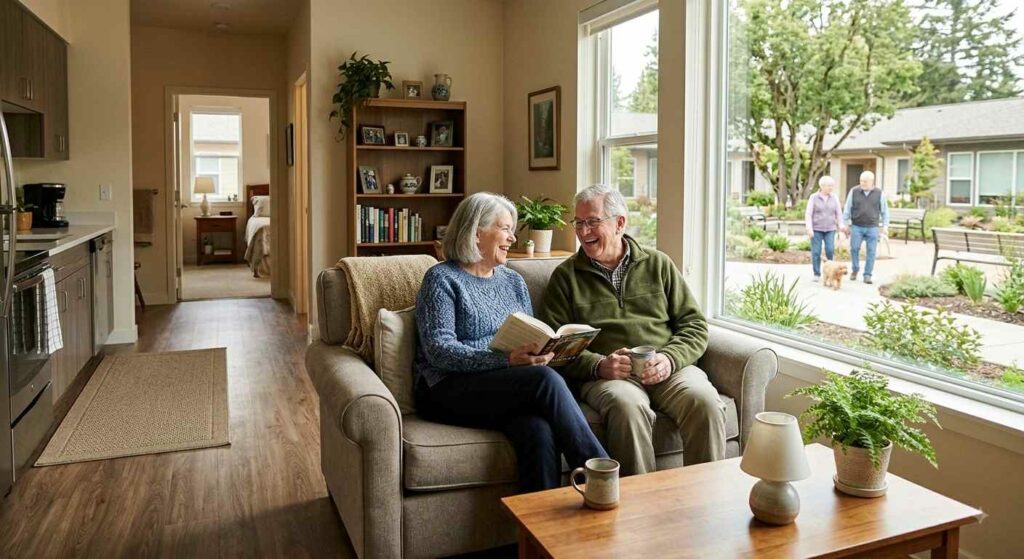
Senior apartments are residential communities intended for adults who are generally 55 or 62 and older. These communities commonly feature single-level residences, accessible bathrooms, emergency call systems, and shared social areas that promote interaction between residents. Many senior apartment communities may also provide transportation, fitness activities, and on-site staff available to help with everyday needs. Unlike assisted living facilities, senior apartments typically do not offer medical care, which makes them suitable for older adults who remain independent but prefer a more convenient, low-maintenance way of living.
Cost Considerations for Senior Apartment Living
Senior apartment expenses can differ considerably based on location, available amenities, and whether the property is subsidized or offered at market rates. In larger metropolitan areas, a one-bedroom senior apartment may cost between $1,200 and $2,500 per month, whereas smaller cities and rural communities may have lower-cost choices beginning at around $700 per month. Additional expenses may come from utilities, community fees, and optional offerings such as meal plans or housekeeping, increasing the total cost of housing. Looking at these factors in advance can help seniors and their families establish a practical budget before starting their search.
| Product | Service Provider | Cost Estimation |
|---|---|---|
| Section 202 Supportive Housing for the Elderly | U.S. Department of Housing and Urban Development (HUD) | Rent typically capped at 30% of household income |
| Low-Income Housing Tax Credit (LIHTC) Apartments | State Housing Finance Agencies | Approximately $600–$1,200 per month depending on region |
| Public Housing Programs | Local Public Housing Authorities | Rent based on income, generally 30% of adjusted gross income |
| Market-Rate Senior Apartments | Private developers such as Brookdale Senior Living | Approximately $1,500–$3,500 per month |
Prices, rates, or cost estimates mentioned in this article are based on the latest available information but may change over time. Independent research is advised before making financial decisions.
Affordable Housing Programs for Seniors
A range of federal and state programs can assist seniors in finding housing at a more affordable cost. HUD’s Section 202 program is designed to fund housing developments for low-income seniors and often combines affordable rent with supportive services. Through the Low-Income Housing Tax Credit program, private developers receive incentives to create affordable housing units, with many of those homes designated for older adults. Local housing authorities also oversee public housing waiting lists, which may give elderly applicants priority in certain situations. Since eligibility rules and availability can differ between states and cities, reaching out to a local housing authority is often a useful first step when investigating these choices.
Additional Benefits of Affordable Senior Housing Communities
Affordable senior housing communities can offer more than lower housing expenses, with many providing services intended to improve residents’ quality of life. Community rooms for social events, on-site case managers who help connect residents with local resources, and partnerships with health services for wellness checks or transportation to medical appointments are common examples. Such services may help lessen isolation, which is a frequent concern among older adults who live alone, while also creating an established support network. For many seniors, having both affordable housing and opportunities for community involvement makes these options especially attractive.
Finding the Right Senior Apartment Within Budget
Selecting a senior apartment that meets both lifestyle preferences and financial needs takes careful planning and research. Seniors and their families can begin by determining essential features, including being close to family, having access to public transportation, or meeting particular accessibility needs. Looking at several communities, carefully examining lease terms, and confirming which utilities or services are included can help prevent unexpected expenses. Local Area Agencies on Aging may also offer assistance with affordable housing searches and could maintain current lists of available units within a particular region.
Selecting an appropriate senior apartment is an important decision that requires a balance between affordability, comfort, and long-term stability. By learning about available programs, comparing expenses among different housing choices, and evaluating the additional value provided by community-based services, older adults can make informed housing decisions that support their financial well-being as well as their overall quality of life.