A Guide to Foods to Limit With Fatty Liver
Managing fatty liver disease begins with the foods on your plate. Your daily diet can directly influence how much fat builds up in the liver and how effectively the organ can recover. Learning which foods should be avoided or limited is one of the most practical measures you can take to promote better liver health.
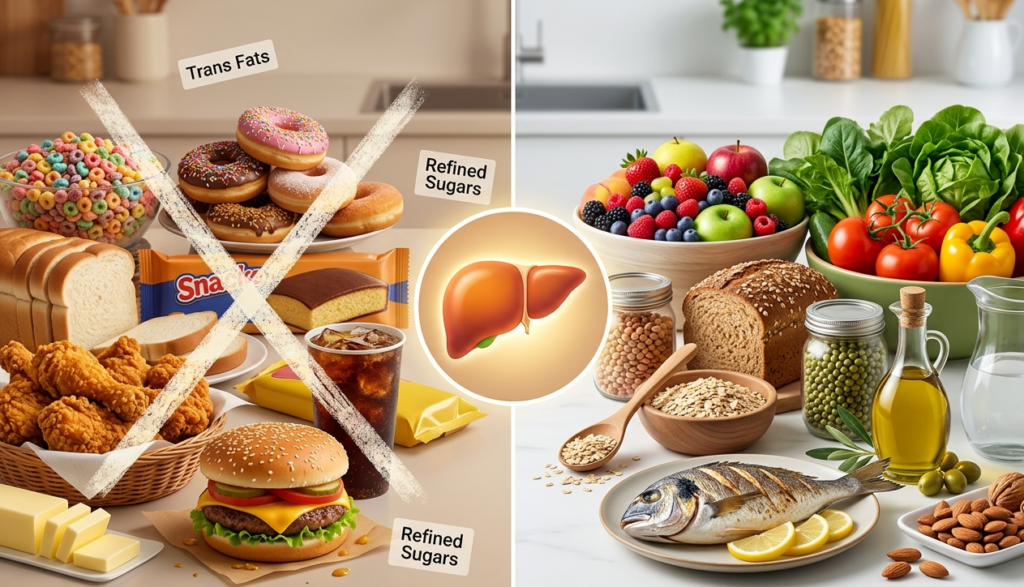
Fatty liver disease, medically referred to as hepatic steatosis, affects millions of Americans. Genetics and lifestyle both contribute, but diet remains one of the factors you have the most control over when it comes to liver health. Recognizing foods that place additional stress on the liver can make it easier to choose wisely and encourage the organ’s natural healing process over time.
This article is intended for informational purposes only and is not a substitute for medical advice. For personalized guidance and treatment, consult a qualified healthcare professional.
The Impact of Ultra-Processed Foods and Simple Carbohydrates
Ultra-processed products, including packaged snacks, sugary cereals, white bread, and fast food, can be especially damaging when the liver is already carrying excess fat. These foods commonly contain large amounts of refined sugar and simple carbohydrates, which can cause blood glucose levels to rise quickly. If the body does not need all of that glucose for immediate energy, the liver turns the surplus into fat through a process known as de novo lipogenesis. With continued exposure, this process can add directly to fat accumulation inside liver cells. Cutting back on or removing sugary beverages, white rice, pastries, and processed snack foods can substantially reduce the workload placed on the liver.
Identifying Hidden Trans Fats and Saturated Fat Risks
Some unhealthy fats are not immediately apparent. Trans fats, which may appear on ingredient labels as partially hydrogenated oils, can occur in certain margarines, fried foods, and commercially baked products. These artificial fats are especially concerning because they encourage fat storage and interfere with a healthy cholesterol balance. A product that advertises zero trans fats on its front label can still contain small quantities per serving. For that reason, carefully checking ingredient lists is important. Saturated fats, which are present in fatty cuts of red meat, full-fat dairy, butter, and coconut oil, also warrant attention because research has associated excessive consumption with higher levels of liver fat.
The Inflammatory Impact of Saturated Fats
Saturated fats may do more than increase fat accumulation; they can also stimulate inflammatory reactions throughout the body that affect the liver. Persistent low-grade inflammation plays an important role in the progression from simple fatty liver to more severe conditions such as non-alcoholic steatohepatitis, or NASH. Research has found that diets high in saturated fats can activate immune pathways associated with liver cell damage. Replacing foods high in saturated fat with unsaturated-fat choices, including olive oil, avocado, and nuts, may lessen this inflammatory load while still providing satisfying foods.
Adopting the Mediterranean Diet for Hepatic Recovery
Among dietary patterns studied in connection with liver health, the Mediterranean diet is one of the most extensively researched. This approach centers on whole grains, legumes, vegetables, fruits, fish, and olive oil while keeping red meat and processed foods limited. Research has repeatedly found that this eating pattern can decrease liver fat, reduce inflammation markers, and improve insulin sensitivity, all of which matter when managing fatty liver. Simple changes such as replacing processed snacks with fresh produce, selecting fish instead of fried meat, and choosing olive oil rather than butter fit naturally into this approach and can help support hepatic recovery over time.
The Role of High-Fiber Foods
Dietary fiber has an unexpectedly important connection to liver health. Soluble fiber, available in foods such as oats, beans, lentils, apples, and flaxseeds, can help keep blood sugar regulated while reducing the amount of fat the liver needs to process. Insoluble fiber from vegetables and whole grains promotes gut health and helps reduce intestinal permeability, which has been associated with liver inflammation. Most Americans do not reach the recommended 25 to 38 grams of fiber each day. Increasing vegetables throughout the day, selecting whole grain foods instead of refined choices, and reaching for legumes rather than chips as snacks can all shift the overall diet toward better liver health.
Making thoughtful food decisions is among the most practical ways to manage fatty liver disease. Reducing ultra-processed foods, keeping saturated and trans fats in check, and emphasizing fiber-rich, whole-food patterns such as the Mediterranean diet can help individuals support normal liver function and recovery. Dietary adjustments generally do not create immediate results, but maintaining these changes over weeks and months can produce measurable improvements in liver health markers. Working with a healthcare provider or registered dietitian can also help make sure these dietary changes fit individual needs and medical history.