A Guide to Energy‑Saving Benefits of LED Lighting Solutions
Your power bill is climbing, but you still need bright, comfortable light. Old fixtures, mismatched bulbs, and bad dimmers can waste money fast. If you are upgrading a home, office, or outdoor space, this article helps you sort options and avoid common LED buying mistakes.
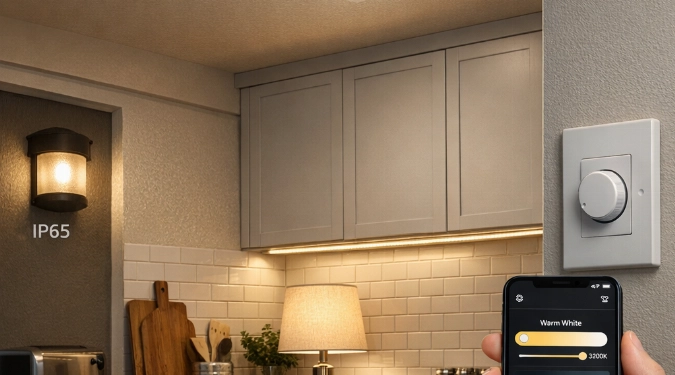
Learn how to pick LEDs that cut watts without making rooms feel dim. You will compare lumens, color, and controls using quick rules that work in real homes. This guide also shows where installs go wrong, and how to avoid flicker, glare, and wasted money.
Start With Lumens, Not Watts
Ignore old watt numbers on lamp boxes. Shop by lumens, then check watts to estimate savings. A common 60W incandescent put out about 800 lumens. Many LEDs hit that with about 8W to 10W.
For kitchens and garages, aim higher. Look for High Lumen LED Lamps in the 1,600 to 2,600 lumen range. That often replaces old 100W to 150W bulbs. Use fewer bulbs, or get brighter task zones with less power.
Estimate Savings In Three Lines
Use this quick math for any room. First, watts saved equals old watts minus new watts. Second, kWh saved per year equals watts saved times hours per day times 365, then divide by 1,000. Third, dollars saved equals kWh saved times your rate from the bill.
Example: swapping a 60W bulb for a 9W bulb saves 51W. At 3 hours a day, that is about 56 kWh a year. Multiply by your rate to see the real payoff.
Match Color And Beam To The Room
Color temperature drives comfort more than people expect. For living rooms, many prefer 2700K to 3000K. For bathrooms and work areas, 3500K to 4000K can look cleaner.
Also check beam angle. Narrow beams work for accent lights and track heads. Wider beams work for general lighting. Glare usually comes from an exposed LED with a tight beam in your line of sight.
Choose The Right LED Form Factor
LED Bulbs Energy Saving upgrades are simplest in table lamps and ceiling fixtures. Check base type, like E26 or E12. Then confirm enclosure rating if the fixture is sealed.
LED Panel Ceiling Lights can cut energy in offices and basements. They spread light evenly and reduce hot spots. Look for high CRI if you care about accurate colors.
For cabinets and coves, LED Strip Lights Flexible setups shine. Use an aluminum channel with a diffuser for better cooling and cleaner light. Pair strips with a matched power supply and rated connectors.
Controls That Multiply The Savings
Dimmable LED Lights save more when you actually dim them. Make sure the bulb says dimmable. Then use an LED-rated dimmer to reduce flicker.
Smart LED Lighting Systems add scheduling and occupancy logic. Good ecosystems include Lutron Caséta, Philips Hue, TP-Link Kasa, Leviton Decora Smart, GE Cync, and Nanoleaf. Pick one platform per home to avoid app overload.
For a simple start, use a smart switch in busy rooms. Use smart bulbs where you want color or scene control. Smart plugs are fine for lamps, but not for dimming.
Outdoor Choices That Survive Weather
Outdoor Waterproof LED Lights need more than a tough housing. Check the IP rating on the product. IP65 handles rain and spray. IP67 is better for areas that get heavy drenching.
Also check operating temperature and lens material. Polycarbonate lenses resist yellowing better than cheap acrylic. Use sealed wire connectors and a proper weatherproof box.
Special Effects Without Wasting Power
Color Changing RGB LEDs can still be efficient, but they vary a lot. Watch the lumen output in white mode, not just color mode. Some RGB strips look dim because the white is mixed from red, green, and blue.
If you want good white light and color, look for RGBW or RGBCCT. Those add a dedicated white channel. You get better whites and more Efficient Bright Lighting for daily use.
Common Mistakes That Raise Costs
- Putting non-dimmable bulbs on a dimmer. This causes flicker or early failure.
- Using the wrong driver for strips. Undersized power supplies run hot and die early.
- Choosing ultra-cool color for bedrooms. It can feel harsh at night.
- Ignoring fixture ratings. Overheating is a top reason LEDs fail early.
References
- ENERGY STAR: LED lighting and efficiency guidance
- U.S. Department of Energy: Solid-state lighting resources
- Lighting Facts Label information (FTC overview)
Disclaimer: The information provided in this article is for educational and informational purposes only. It does not constitute professional advice. Readers should conduct their own research and consult with qualified professionals before making any decisions.