
A Golden Opportunity: Ex Military Equipment for Sale
Surplus shopping is messy. Condition labels are inconsistent, photos hide damage, and some items have restrictions or missing parts. If you want durable gear or even a decommissioned truck without getting burned, you need a clear way to compare sellers, inspect lots, and understand paperwork before paying.
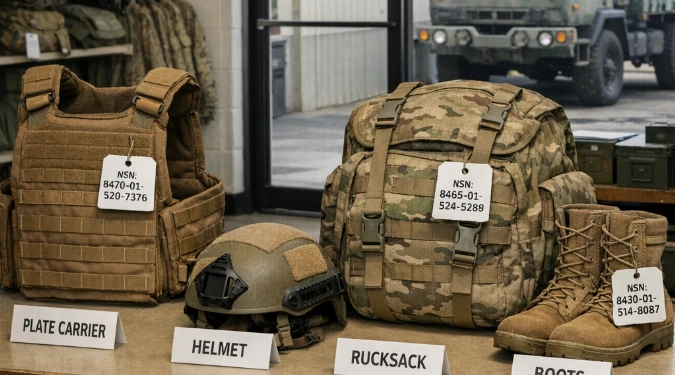
Score the right surplus gear by checking condition codes, verifying NSNs, and spotting missing accessories. This guide shows where to shop, what documents matter, and how to price items fast. You’ll also get a safety checklist for helmets, armor, radios, and trucks before you pay.
Know What “Ex-Military” Really Means
Some items are commercial versions in military colors. Others are true surplus with a contract label. Look for an NSN tag, a contract number, and a manufacturer CAGE code. Common makers include Pelican, SureFire, CamelBak, Mystery Ranch, LBT, and Crye Precision.
Condition language varies by seller. Learn the usual tiers. “New” is unused. “Like new” may mean no field wear. “Used” can still be serviceable. “As-is” means you are the inspector.
Where People Actually Find Legit Surplus
Government Auctions
For vehicles and hard assets, start with GovPlanet and GSA Auctions. You will see HMWWV variants, generators, and shop equipment. Read the lot notes for demilitarization and title status.
Surplus Retailers
A good Military Surplus Store will show clear photos and grade items. Look for return terms and a grading chart. A strong Military Store will also list measured sizes, not only S, M, and L.
Local Liquidations
Police and municipal auctions sometimes include training gear and comms accessories. Inventory changes fast. Bring a flashlight and a magnet.
What To Check Before You Buy
Use a simple inspection flow. Start with “can I use it safely.” Then check “can I service it.” Then confirm “can I get parts.”
For Rugged Military Clothing, inspect seam tape, zipper pulls, and crotch stitching. Smell for fuel and mildew. For packs, check frame stays and buckle cracks. For boots, squeeze the midsole for dry rot.
For Tactical Military Gear like pouches and belts, confirm the mounting system. MOLLE spacing and snapped straps matter. For helmets, look for cracks, soft spots, and altered drilling. Replace pads and straps if unknown.
Body armor needs extra care. Check the label for model, size, and date. Look for water damage and edge splits. Verify it is not recalled.
Pricing That Stays Grounded
Pricing swings with condition and completeness. Here are tight ranges seen in typical resale.
- Combat shirts and field tops: $25 to $90
- Rucks and assault packs: $80 to $320
- Helmet shells: $150 to $500
- Plate carriers: $90 to $350
- Weapon lights and mounts: $60 to $240
- Generators and shop tools: $400 to $3,500
Missing parts crush value. A “cheap” radio without a battery, mic, and charger is not Affordable Military Gear. Ask for the accessories list before you bid.
How To Avoid Restricted Or Problem Items
Some items are controlled, altered, or incomplete by design. Avoid anything with missing serial plates. Avoid anything described as “demil required” unless you understand the process. Be cautious with night vision and encrypted radios.
If you see cut wiring, welded mounts, or blocked optics, assume extra cost. If a seller will not provide close photos, walk.
Explore Unique Ex Army Machinery Without Regret
If you want to Explore Unique Ex Army Machinery, focus on support gear first. Field kitchens, light towers, air compressors, and tool sets are easier to keep running. Ask for service hours, manuals, and battery age.
Bring a checklist to preview days. Verify fluids, leaks, corrosion, and missing covers. Confirm whether parts are commercial equivalents. A local diesel shop can still struggle with odd connectors.
What To Know About Military Vehicles For Sale To Public
Military vehicles for sale to public can be titled, limited, or off-road only. Read the listing for “bill of sale” versus “title.” Ask about emission equipment and VIN placement.
Plan for transport. Recovery towing can cost $300 to $1,500 depending on distance and weight. Storage fees can start fast at some yards.
Fast Buyer Checklist
- Confirm condition grade and return terms
- Verify NSN, serials, and intact labels
- List required accessories before paying
- Price against recent sold listings, not ask prices
- Budget cleaning, repairs, and replacement pads or straps
FAQs
How Can I Verify An NSN Quickly?
Search the NSN description in public catalogs and match it to the item’s features. Cross-check color, dimensions, and included components. Mismatches are common with repackaged lots.
What Is The Easiest Way To Clean Surplus Without Ruining It?
Start with a dry brush and mild soap. Avoid high heat on laminates and hook-and-loop. Air dry packs and armor carriers to protect adhesives.
Can I Use Surplus Comms Gear For Normal Use?
Many units need specific bands, programming, or accessories. Some are legally restricted for certain transmit uses. Treat them as parts or collectibles unless you know compliance rules.
References
- GSA Auctions
- GovPlanet
- Defense Logistics Agency disposition overview
Disclaimer: The information provided in this article is for educational and informational purposes only. It does not constitute professional advice. Readers should conduct their own research and consult with qualified professionals before making any decisions.