
A Complete Guide to Choosing the Perfect Front Door
Selecting a new front door is one of the most impactful upgrades you can make to your residence. This complete guide to choosing the perfect front door provides a strategic overview of the essential features—from structural materials to security and cost considerations—needed to make an informed decision. An exterior front entry door is the first thing visitors see, but it is also your primary defense against the elements and intruders.
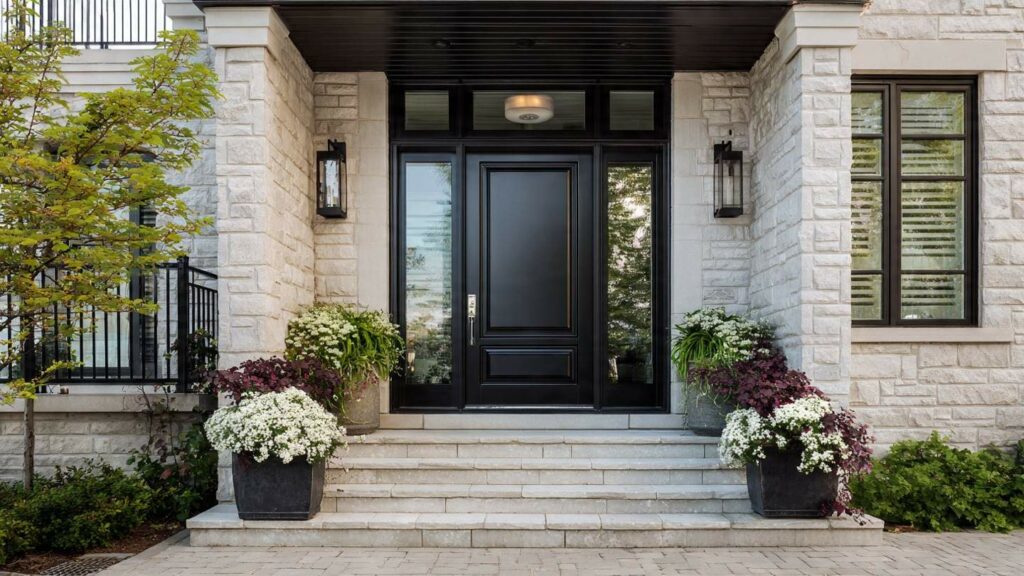
When you begin the process of a front door replacement, the options can be overwhelming. Understanding the differences between front doors for homes in 2026 involves more than just picking a color; it requires a deep dive into security ratings and long-term durability. Whether you are looking for a new front door for house upgrades in a suburban neighborhood or a high-traffic urban area, this comprehensive guide covers the essentials.
Material Selection for Exterior Front Entry Doors
The material you choose for your new front door is the most significant factor in its performance and price. In the USA, four primary materials dominate the market for front doors for houses:
- Steel Front Doors: Often the most affordable option for front door replacement, steel is incredibly strong and secure. While it is resistant to warping, cheaper models can dent or rust if the finish is damaged.
- Fiberglass Entrance Doors: A popular middle-ground for new front doors, fiberglass is lightweight, low-maintenance, and can mimic the texture of real wood. It offers superior energy efficiency and impact resistance.
- Solid Wood Doors: For those seeking unmatched beauty, wood front doors for homes provide a classic look. However, they require the most maintenance and are prone to swelling or cracking without proper care.
- Composite Doors: A modern choice for exterior front entry doors, these use a mix of materials like PVC, wood, and insulating foam. They are widely regarded as the most secure and durable option for 2026.
Key Security Features and Ratings
Your front door replacement should prioritize safety above all else. A “perfect” door must be an insurmountable barrier for any would-be intruder. Experts recommend looking for these specific features:
- Multi-Point Locking Systems: Unlike a standard lock, these bolt into the frame at three or more points (top, middle, and bottom), distributing force across the entire unit.
- Reinforced Frames and Strike Plates: A new front door for house security is only as strong as its frame. Ensure the strike plate—the metal piece where the bolt enters—is reinforced with heavy-duty screws that anchor into the home’s structure.
- Laminated Security Glass: if your front doors for houses feature windows, insist on laminated glass. This consists of two panes with a plastic layer that holds fragments together even if shattered, preventing access.
- Security Ratings (PAS24/RC2): Look for independent certifications like PAS24 or Resistance Class (RC) ratings. These indicate the door has been rigorously tested against forced entry attempts.
Energy Efficiency and Insulation
Energy efficiency is another major factor in selecting the perfect front door. A well-insulated door helps maintain indoor temperature and reduces energy loss.
Doors with insulated cores and proper sealing help prevent drafts. Weather-resistant materials also contribute to long-term performance, especially in areas with changing temperatures. For homeowners replacing older doors, upgrading to energy-efficient options can improve comfort while supporting overall home performance.
Cost Considerations and Installation
When asking, “how much is a front door replacement near me?”, you must factor in both the unit price and the labor. In 2026, cost considerations vary widely based on your level of customization.
| Door Material | Typical Price Range (Materials Only) | Installation Cost |
| Basic Steel | $150 – $1,400 | $300 – $800 |
| Fiberglass | $800 – $4,000 | $400 – $900 |
| Solid Wood | $1,500 – $5,000 | $500 – $1,200 |
| Composite | $1,200 – $3,500 | $400 – $1,000 |
Additional features like sidelights or a transom window can add $2,000 to $8,000 to the total entry door replacement near me quote. Always hire a professional to ensure the door is perfectly plumb and weather-sealed, which prevents drafts and maintains security.
Frequently Asked Questions
What is the best front door for security in 2026? Composite and steel doors are the top choices. Composite doors offer the best overall protection because of their multi-layered, impact-resistant construction, while high-gauge steel remains the hardest material to physically breach.
How long does a new front door last? Fiberglass and steel doors typically last 20 to 50 years with minimal maintenance. Solid wood doors can last a lifetime but only if they are re-stained or painted every 2 to 5 years to protect against moisture.
Can I just do a front door replacement and keep my old frame? This is known as a “slab” replacement. It is cheaper, but only possible if your existing frame is perfectly square and undamaged. For better energy efficiency and security, a full front door and frame replacement is often recommended.
Are energy-efficient front doors worth the extra cost? Yes. Modern doors with insulated cores and high-quality weatherstripping can significantly reduce heating and cooling costs, often paying for themselves over several years through energy savings.
Conclusion
Navigating this Complete Guide to Choosing the Perfect Front Door ensures you balance aesthetics with the technical requirements of security and cost. By selecting the right material—be it steel, fiberglass, or wood—and insisting on multi-point locks and professional installation, you protect your investment for decades. Whether you are performing a front door replacement for curb appeal or outfitting a new front door for house safety, prioritizing quality construction remains the most essential step.
Disclaimer: The information provided in this article is for educational and informational purposes only. It does not constitute professional advice. Readers should conduct their own research and consult with qualified professionals before making any decisions.