
8 Motorcycle Brands to Avoid in 2026
Shopping for a motorcycle in 2026 can feel like guessing which makers will still support you next year. Dealer closures, thin parts pipelines, and shaky parent companies can turn a “deal” into a stranded ride. This guide is for buyers who want fewer surprises and better resale safety.
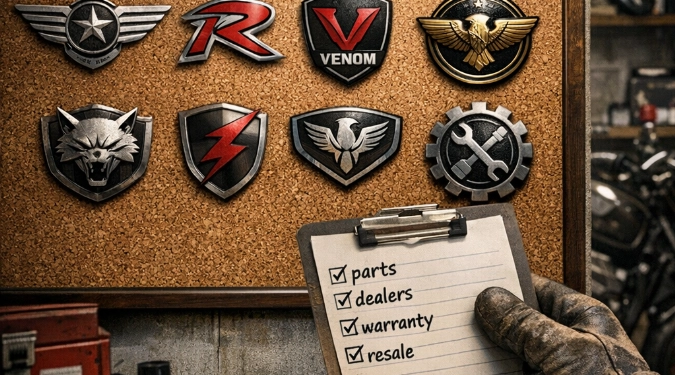
Spot the red flags that make a bike a bad bet right now. Learn how to check parts support, dealer stability, and resale before you sign. This guide also lists eight brands with higher ownership risk in 2026, plus what to buy instead.
8 Brands With Higher Ownership Risk
Some names below are active but fragile. Others are dead brands that still show up on marketplaces. Several have had repeated Financial Failures or ownership churn.
1) Buell (New Production Claims)
Buell has a history of stops and restarts. That can strand owners when model plans change. Verify who supplies engines, electronics, and warranty backing. If answers are vague, treat it as an Investment Risks purchase.
2) MV Agusta
MV Agusta has seen frequent corporate reshuffles. That can disrupt dealer networks and parts pipelines. Expect higher insurance quotes and longer waits for bodywork. Buy only if you have a strong servicing dealer relationship.
3) KTM
KTM has faced public financial stress in recent years. Even if production continues, turbulence can hit parts availability. Watch for dealer inventory pullbacks and delayed warranty approvals. This is a legitimate Motorcycle Warning for commuters.
4) GasGas (Street-Legal Models)
GasGas sits inside a larger group ecosystem. That can help, but it can also mean sudden lineup cuts. If a model gets discontinued, plastics and trim can become scarce fast. Prioritize bikes with shared components across multiple models.
5) Husqvarna Motorcycles
Husqvarna shares many platforms, but branding decisions can shift quickly. If corporate priorities change, niche street models can vanish. Confirm that your model shares wheels, brakes, and engine parts with a high-volume sibling. That reduces ownership risk.
6) Royal Enfield (Certain First-Year Platforms)
Royal Enfield is not a collapse story. The risk is first-year or low-volume variants. Early production runs can have more service bulletins. Avoid brand-new platforms until year two if you need daily reliability.
7) Chinese Microbrands (CSC, SSR, Lifan, and Similar Importers)
Some importers do a solid job. Others disappear and reappear under new names. That can turn a simple crash repair into a months-long hunt. Treat these as Risky Investments unless the importer stocks parts domestically and publishes diagrams.
8) Defunct Legacy Brands (BSA, Norton, Victory)
These names still sell bikes or parts in limited ways, depending on the brand. The bigger issue is continuity. You might get support, but it may not be predictable. For many buyers, these land on the Brand Bankruptcy List mindset, even when the badge returns.
How To Vet Any Brand In 20 Minutes
- Call two dealers. Ask how many techs are certified for that brand.
- Ask for a real ETA on a common part. Try a clutch cable, mirror, or ABS sensor.
- Search for service manuals and parts fiches. If you cannot find them, ownership is harder.
- Check recall history on official databases. Note how quickly fixes rolled out.
- Compare used listings. A steep discount can signal a “Don’t Buy Now” market mood.
Buyer Safeguards If You Still Want One
- Buy with a clear title and a full VIN history report.
- Prefer models with shared engines and brakes across the lineup.
- Budget for downtime. Keep a second way to commute.
- Negotiate spare parts with the sale. Ask for levers, filters, and a service manual.
- Skip long loan terms. They amplify resale risk if the brand stumbles.
References
- National Highway Traffic Safety Administration (NHTSA) recall database
- Manufacturer parts fiches and service bulletins
Disclaimer: The information provided in this article is for educational and informational purposes only. It does not constitute professional advice. Readers should conduct their own research and consult with qualified professionals before making any decisions.