7 Important Vitamins Support for Brain Memory and Focus
Brain fog, forgetfulness, and scattered focus can come from sleep, stress, or simple nutrient gaps. The hard part is knowing which vitamins matter, how much is reasonable, and what to test before guessing. This article is for anyone comparing supplements and trying to avoid wasting money on underdosed “brain blends.”
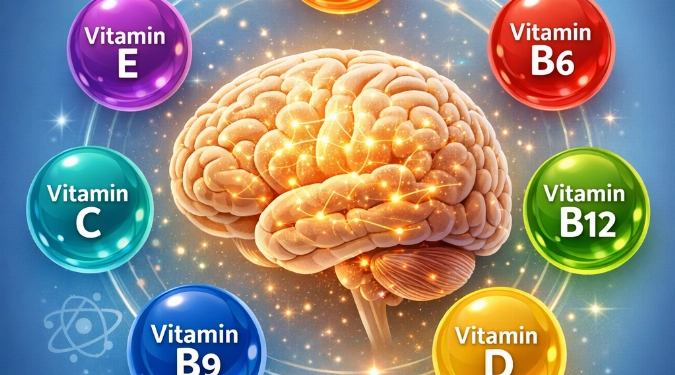
You can pick brain vitamins with confidence. This guide shows what each vitamin actually does for memory and focus. You’ll get dosage ranges, food sources, and smart pairing tips. You’ll also learn which labs to ask for, plus six supplement brands worth checking out.
How To Choose A Brain Vitamin That Fits You
Start with your goal. Is it focus, recall, or mental stamina. Next, check likely gaps. Diet pattern matters more than marketing.
Ask a clinician about labs that match symptoms. Common ones include B12, MMA, homocysteine, ferritin, vitamin D, folate, and TSH. Low B12 can look like “brain fog.” Low iron can crush attention.
If you supplement, pick third-party tested labels. Look for USP, NSF, or Informed Choice marks. Avoid mega-doses unless a clinician is monitoring labs.
7 Vitamins That Matter Most For Memory And Focus
1) Vitamin B12
B12 supports myelin and neurotransmitter function. It also helps keep homocysteine in a healthy range. Absorption drops with age and with low stomach acid.
Typical supplements range from 500 to 1,000 mcg daily. Many use methylcobalamin or cyanocobalamin. Foods include clams, salmon, beef, eggs, and dairy.
2) Vitamin B6
B6 is used to make dopamine, serotonin, and GABA. That affects attention and stress response. It also works with folate and B12 in methylation pathways.
Common doses are 5 to 25 mg daily. Stay cautious with long-term high doses. Foods include chickpeas, tuna, potatoes, and bananas.
3) Folate (Vitamin B9)
Folate supports DNA repair and neurotransmitter synthesis. It also helps control homocysteine with B12 and B6. People with MTHFR variants sometimes prefer methylfolate.
Supplement ranges are often 400 to 800 mcg daily. Food sources include lentils, spinach, asparagus, and avocado.
4) Vitamin D
Vitamin D receptors exist throughout the brain. Low levels correlate with mood and cognitive complaints in many studies. Sun exposure, latitude, and skin tone all affect status.
Many adults use 1,000 to 2,000 IU daily. Blood testing can guide a safer plan. Foods include fortified milk, sardines, and egg yolks.
5) Vitamin E
Vitamin E is a fat-soluble antioxidant. It helps protect cell membranes from oxidative stress. Diets low in nuts and seeds can fall short.
Food-first is smart here. Choose almonds, sunflower seeds, hazelnuts, and wheat germ. If supplementing, avoid stacking many fat-soluble vitamins without guidance.
6) Vitamin C
Vitamin C supports neurotransmitter synthesis and antioxidant defenses. It also helps iron absorption, which can indirectly support focus. Smokers and low-produce diets raise deficiency risk.
Common supplement doses are 250 to 500 mg daily. Food sources include bell peppers, kiwi, citrus, and strawberries.
7) Vitamin A
Vitamin A supports gene expression and immune balance. Indirectly, that can affect energy and cognition. Too much preformed vitamin A can be harmful over time.
Get most from foods like sweet potatoes, carrots, and leafy greens. Those provide beta-carotene instead of retinol.
When A Multivitamin Makes More Sense Than Singles
If you have several borderline intakes, a multi can be simpler. Look for B12, folate, B6, and vitamin D in reasonable amounts. Avoid “kitchen sink” formulas with huge percentages.
For people comparing the best multivitamin for vitamin deficiency, check two details. First, use methylfolate if folic acid upsets you. Second, choose chelated minerals like glycinate for gentler digestion.
Six reputable brands to compare are Thorne, Pure Encapsulations, Life Extension, Garden of Life, Nature Made, and NOW. Compare labels side by side. Choose the simplest product that covers your likely gaps.
Quick Checklist Before You Spend Money
- Match the claim to the nutrient. “Energy” usually means B vitamins, iron, or D.
- Check forms. Methylcobalamin, methylfolate, and pyridoxal-5-phosphate are common active forms.
- Confirm serving size. Some bottles hide doses behind two to four pills.
- Set a budget. Solid basics often cost $10 to $35 per month.
- Re-test if you’re correcting a low lab. A follow-up at 8 to 12 weeks is common.
How Your Hair Can Hint At Nutrient Gaps
People often search vitamin deficiency hair loss while chasing brain benefits. That overlap is real, but it is not always vitamins. Low ferritin, low zinc, low protein, thyroid issues, and stress can all contribute.
If hair shedding is new, consider labs before high-dose stacks. Bring a list of supplements to your appointment. Biotin can interfere with some lab tests.
FAQs That People Forget To Ask
Can I take B vitamins at night
Some people feel more alert after B vitamins. If sleep feels lighter, move them to breakfast. Magnesium is often a better nighttime choice, but it is not a vitamin.
What is the best vitamin for memory if I eat no animal foods
B12 is the key watch-out. Use a reliable supplement and consider periodic labs. Also prioritize iodine and iron intake through diet and clinician-guided testing.
Do “brain blends” beat basic vitamins
Many blends add herbs and amino acids. They can also underdose the basics. Start with correcting obvious gaps, then reassess.
Disclaimer: The information provided in this article is for educational and informational purposes only. It does not constitute professional advice. Readers should conduct their own research and consult with qualified professionals before making any decisions.