
5 Ways Seniors Can Improve Mental Health
This article explains 5 ways seniors can improve mental health with steps that are realistic, repeatable, and grounded in daily life. You’ll learn how a simple routine can stabilize mood, how joint-friendly movement supports sleep and stress regulation, and how low-pressure social touchpoints can reduce loneliness over time. It also breaks down where to look for mental health programs designed for older adults, plus brain-healthy stress habits you can practice in minutes. The goal is to make stronger mental health feel doable, one small action at a time.
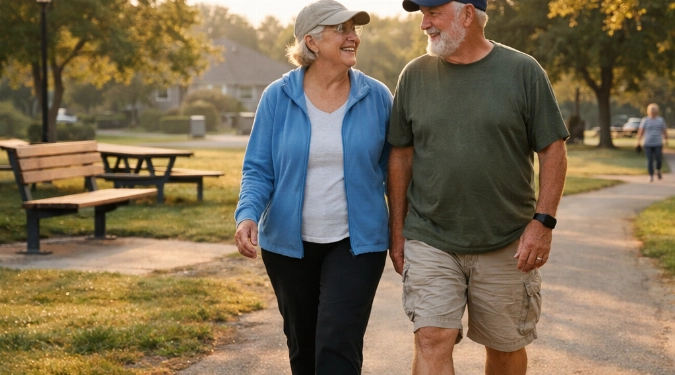
Some days, mental health feels like it depends on luck. The good news is that mental health for seniors is often supported by small, repeatable choices that build steadier mood, sharper thinking, and stronger connection over time. Here are five practical ways to begin.
1) Build A Simple Daily Routine With Purpose
A consistent rhythm reduces decision fatigue and can make days feel more manageable, especially during retirement or after health changes. A “purpose block” also helps: one small task that feels meaningful, such as calling a grandchild, tending plants, or organizing photos.
If you like lists, this can serve as one of your 5 Things To Do For Mental Health: pick a wake time, a meal time, and a short purpose activity, then keep it steady for two weeks. Many people find that routine supports sleep quality, appetite regularity, and emotional steadiness, all tied closely to Older Adult Mental Health.
2) Move In A Way That Protects Joints And Boosts Mood
Physical activity supports mental well-being through better sleep, stress regulation, and social contact when done with others. The key is choosing movement that fits your body today, not what you used to do.
Options that many older adults tolerate well include walking, chair yoga, water aerobics, and tai chi. For strength, simple sit-to-stand repetitions from a sturdy chair can help maintain leg power that supports independence. These are realistic Ways To Improve Mental health because they are easy to scale: start with 5–10 minutes and add time gradually.
3) Strengthen Social Connection With Low-Pressure Touchpoints
Loneliness is strongly associated with worse health outcomes, and it can quietly erode confidence and motivation. A helpful strategy is to rely on “light connections” that do not require big energy: a weekly library visit, a faith community coffee hour, or a standing phone call with one friend.
If you want Things To Do Everyday For Mental Health, try a “two-minute reach-out”: send a short text, leave a voicemail, or write a brief note. Small social touches often feel easier than planning long visits, yet they still reinforce belonging, which is central to Mental Health For Seniors.
4) Use Evidence-Based Mental Health Programs And Support
Sometimes the most practical step is structured support. In many communities, Mental Health Programs For older Adults include group therapy, peer support, grief groups, and skills classes that teach coping tools.
Specific options to ask about include the National Council on Aging (NCOA) Chronic Disease Self-Management Program (often offered through community centers), NAMI family and peer programs, and resources coordinated through local Area Agencies on Aging. For clinical care, many primary care clinics can connect patients to geriatric psychiatry or integrated behavioral health. If medication is part of care, older adults often benefit from periodic “medication reviews,” especially when sleep aids or pain medicines are involved.
5) Practice Brain-Healthy Habits That Lower Stress Reactivity
Stress management does not need to be complicated to be effective. Try a simple breathing pattern (inhale 4 seconds, exhale 6 seconds) for 3–5 minutes, or a brief guided relaxation. Many people also benefit from journaling one worry and one next step, then stopping there.
For cognitive engagement, choose “just-right” challenges: a 300–500 piece puzzle, learning a few phrases of a language, or music practice. These can complement other approaches and are often mentioned alongside broader lists like 10 Ways To Improve Mental Health, but they work best when paired with routine, movement, and connection.
Quick Comparison: Which Of The Five Helps Most?
| Way | Best For | Start Small Example |
|---|---|---|
| Daily Routine | Stability, motivation | Same wake time plus one purpose task |
| Joint-Friendly Movement | Mood, sleep, energy | 10-minute walk or chair yoga |
| Social Touchpoints | Loneliness, resilience | Weekly standing call |
| Programs And Professional Support | Grief, anxiety, depression support | Ask a clinic about group options |
| Stress And Brain Habits | Worry, focus | 3 minutes of slower exhale breathing |
FAQs
What If I Feel Fine Most Days But Still Want To Protect My Mental Health?
That is a great time to build the five habits above, because prevention is often easier than recovery. A routine, light activity, and a weekly social plan can act like “guardrails” during stressful seasons.
What If Mobility Or Chronic Pain Limits Exercise?
Movement can still be gentle and effective. Chair-based strength work, water exercise, or short “movement snacks” (2–3 minutes, a few times daily) may be more realistic than one long session. If pain is a barrier, consider discussing safe activity options with a clinician or physical therapist.
How Do I Find Programs That Fit Older Adults Specifically?
Start with a primary care clinic, a senior center, or an Area Agency on Aging and ask what is designed for older adults (grief groups, caregiver support, skills groups). NAMI and NCOA-affiliated offerings are commonly used starting points.
Conclusion
These 5 ways seniors can improve mental health are meant to be practical: build a steady routine, move in a joint-friendly way, create low-pressure social connection, use structured programs and support, and practice simple stress and brain-health habits. Choose one to begin this week, then add the next once it feels normal.
Disclaimer: The information provided in this article is for educational and informational purposes only. It does not constitute professional advice. Readers should conduct their own research and consult with qualified professionals before making any decisions.