
4 Big Levers to Lower Protein in Urine Effectively
Protein in urine often reflects stress on the kidney’s filters—sometimes temporary, sometimes chronic—but it’s rarely something to ignore. This article explains the 4 big levers that most consistently help lower urine protein: improving blood pressure with kidney-protective strategies, tightening blood sugar control when diabetes is involved, right-sizing protein and sodium intake without extreme dieting, and removing hidden stressors (like dehydration, intense exercise, infections, or frequent NSAID use) while retesting with accurate measures such as a first-morning ACR.
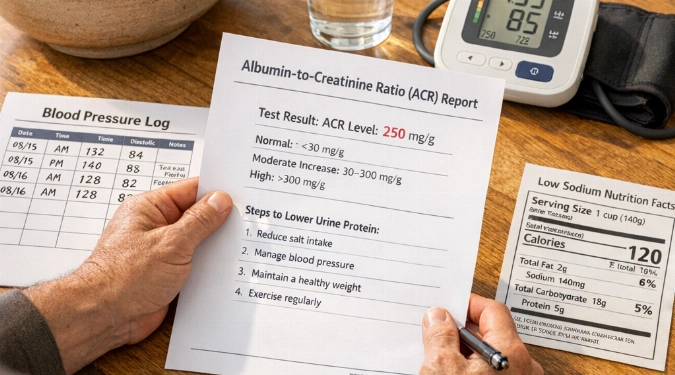
Seeing protein show up on a urine test can feel unsettling, but it’s also a clear signal you can act on. This article breaks down the 4 big levers that most often help people lower urine protein by reducing kidney strain, tightening blood pressure and blood sugar control, and removing common day-to-day triggers of protein loss.
Lever 1: Get Blood Pressure To Kidney-Safe Targets
High blood pressure raises pressure inside the kidney’s tiny filters (glomeruli), which can push more albumin into urine. For many people, the fastest path to reduce proteinuria is simply bringing blood pressure closer to a kidney-protective range, often with a home cuff and a clear plan with a clinician.
Medication classes called ACE inhibitors and ARBs are commonly used because they can lower intraglomerular pressure and may help control protein levels beyond their effect on the blood pressure number. Examples include lisinopril (ACE inhibitor) and losartan (ARB). They are not used together, and they require lab monitoring of potassium and creatinine, especially after starting or dose changes.
- Practical tracking: measure at the same times daily, seated, arm supported, and record readings for pattern-based decisions.
- Food lever that supports this: sodium reduction (a common goal is under 2,300 mg/day; some people are advised lower) can improve medication response and fluid balance.
Lever 2: Tighten Blood Sugar Control If You Have Diabetes
Glucose damage over time can weaken the kidney filter and increase albumin leakage. If diabetes is part of the picture, improving A1C and daily glucose variability is one of the most direct ways to lower urine protein and protect long-term filtration.
Two medication categories are frequently discussed in modern kidney care: SGLT2 inhibitors (such as empagliflozin and dapagliflozin) and GLP-1 receptor agonists (such as semaglutide). SGLT2 inhibitors, in particular, have evidence of kidney benefit in many people with chronic kidney disease, including reductions in albuminuria. Any medication choice depends on kidney function, other conditions, and side-effect considerations, so it’s typically a shared decision with a prescriber.
Non-medication habits matter here too: consistent carb portions, post-meal walking, and treating sleep apnea (when present) can support glucose stability—important kidney health tips that match what urine tests often reveal over time.
Lever 3: Adjust Protein And Sodium Intake Without Extreme Dieting
Diet can meaningfully change the workload on the kidneys. The goal isn’t “no protein,” but right-sizing intake so the body has what it needs while you work to stop protein loss through the urine. Many kidney clinics use a moderate protein approach (often around 0.8 g/kg/day for non-dialysis CKD, individualized for age, body size, and nutrition status).
Sodium is the other half of this lever: excess sodium can raise blood pressure and fluid retention, which can worsen albuminuria. Reading labels for “sodium per serving,” limiting processed meats and packaged soups, and choosing unsalted nuts or low-sodium canned beans are practical ways to cut urine protein indirectly through pressure control.
| Diet Choice | Why It Can Matter For Protein In Urine | Concrete Swap |
|---|---|---|
| Very high protein intake | May increase glomerular pressure and albumin leakage in susceptible kidneys | Split portions: smaller servings at meals plus more vegetables and fiber |
| High-sodium packaged foods | Raises blood pressure and blunts ACE/ARB effect | Choose “no salt added” options; season with herbs, citrus, vinegar |
| Low-fiber, ultra-processed patterns | Often worsens weight, glucose, and inflammation markers | Base meals on beans, oats, berries, and minimally processed staples |
Lever 4: Remove Hidden Kidney Stressors And Retest Correctly
Sometimes protein spikes are driven by fixable stressors rather than permanent damage. Dehydration, intense exercise in the prior 24–48 hours, fever, and urinary tract infections can temporarily increase protein. Confirming with the right test helps you manage proteinuria with real numbers rather than guesswork.
Many clinicians use an albumin-to-creatinine ratio (ACR) on a first-morning urine sample because it corrects for urine concentration. A single dipstick can miss nuance, so repeat testing is common before major decisions.
- Medication review: regular NSAID use (ibuprofen, naproxen) can stress kidneys in some people; discuss alternatives for pain control.
- Hydration consistency: aim for pale-yellow urine unless you’ve been told to restrict fluids.
- Weight and sleep: gradual weight loss and treating sleep apnea can support blood pressure and insulin sensitivity, helping improve kidney function trends over time.
FAQs About Lowering Protein In Urine
How Fast Can Urine Protein Go Down?
It varies. If protein is driven by blood pressure, medication changes and sodium reduction may show improvement within weeks on repeat ACR testing. If it’s related to longer-term diabetes or kidney scarring, changes may be slower and depend on sustained control.
Is All Protein In Urine Permanent Kidney Damage?
No. Temporary causes like strenuous exercise, dehydration, fever, or infection can raise readings. That’s why repeat testing—often first-morning ACR—is commonly used before labeling it chronic.
Should You Stop Eating Protein To Lower Urine Protein?
Extreme restriction can backfire by causing muscle loss and poor nutrition. Many people do better with a moderate, individualized target and better sodium control. A registered dietitian who works with kidney conditions can build a safe plan.
When Does Protein In Urine Need Specialist Care?
Referral to a nephrologist is commonly considered with high or rising ACR/protein-creatinine ratio, declining eGFR, blood in urine, resistant hypertension, or unclear cause. Specialty evaluation may include targeted labs and, in select cases, a kidney biopsy.
Conclusion
To lower protein in urine effectively, focus on the same 4 levers nephrology clinics rely on: kidney-safe blood pressure control, tighter glucose management when relevant, moderate protein plus lower sodium eating, and removing hidden stressors while retesting with reliable measures like ACR. Used together, this is a practical protein reduction guide to help protect your kidneys with steady, measurable steps.
Disclaimer: The information provided in this article is for educational and informational purposes only. It does not constitute professional advice. Readers should conduct their own research and consult with qualified professionals before making any decisions.