
3 Main Causes of Leg Weakness in Older Adults
Leg weakness can feel like your mobility is shrinking overnight, but it often comes from a few identifiable drivers. This article explains the 3 main causes of leg weakness in older adults: (1) age-related muscle loss and deconditioning, (2) nerve or spine problems that interfere with strength signals, and (3) medical, medication, and nutrition factors that reduce muscle power. It also outlines what treatment commonly includes, from physical therapy-led strengthening and balance work to medication review and basic lab checks that can uncover reversible contributors.
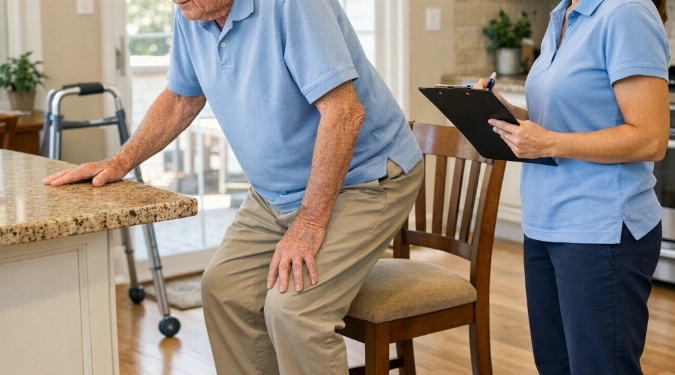
Legs that suddenly feel “unreliable” can be scary, especially when walking used to feel automatic. Below are three main, common causes of leg weakness in older people, how they typically show up, and what a practical, movement-first plan for treatment for weakness often includes.
Cause 1: Age-Related Muscle Loss And Deconditioning
One of the most frequent causes of weakness in legs in elderly adults is sarcopenia (age-related loss of muscle mass and strength) combined with simple deconditioning after illness, hospitalization, or reduced activity. This can look like shaky legs when standing, slower walking speed, difficulty rising from a chair, or a “heavy” feeling that builds during errands.
Because muscle is responsive at any age, treatment for weak legs often starts with progressive strength work that targets the hips, thighs, and calves. Clinicians commonly track progress using function-based measures such as the 5-times sit-to-stand test or gait speed, since those reflect real life more than a single “strength number.”
For many people, treatment for weak legs in elderly adults includes physical therapy and a home plan that prioritizes consistent effort over intensity. The backbone is typically resistance training (bands, machines, or light weights), plus protein timing that supports recovery, especially after sessions.
Cause 2: Nerve Or Spine Problems That Limit Signal To The Muscles
Leg strength depends on clear nerve signals from the brain and spinal cord. Conditions such as lumbar spinal stenosis, sciatica from a herniated disc, or peripheral neuropathy can create muscle weakness in legs even when a person is “trying hard.” People may notice numbness, tingling, burning, cramping, foot drop, or weakness that worsens with standing and improves with sitting.
When nerve involvement is part of the picture, progressive leg weakness in elderly adults can sometimes appear alongside balance problems or changes in walking pattern. In some cases, the weakness is not just in the legs, and muscle weakness in legs and arms may point to broader neurologic conditions that warrant prompt evaluation.
In this category, treatment for muscle weakness in legs often combines targeted strengthening with symptom-management strategies. Examples include nerve-glide exercises taught by a therapist, careful pacing, and addressing contributing factors such as diabetes control for neuropathy. Depending on the situation, a clinician may consider imaging (like an MRI of the lumbar spine) or nerve testing (EMG/NCS) to clarify what’s driving the weakness.
Cause 3: Medical, Medication, And Nutrition Factors That Reduce Power
Sometimes the muscles are “capable,” but the body’s overall systems limit performance. Common contributors include anemia, low vitamin B12, vitamin D deficiency, thyroid disorders, dehydration, and heart or lung disease that reduces exercise tolerance. Medications can also play a role, including sedating drugs, some blood pressure medicines that cause dizziness, and statins that may trigger muscle aches or weakness in a subset of people.
This can be especially relevant for an 80 year old weak legs scenario where multiple medications and lower appetite intersect. A typical workup may include basic labs (CBC, CMP, TSH, B12, vitamin D) and a careful medication review. When the underlying issue is corrected, people often find their energy and steadiness improve, making strengthening work more effective.
How Treatment Often Looks When You Want Stronger Legs
Across all three causes, the most useful treatment for weakness is usually a layered plan that matches the driver of weakness while rebuilding confidence. Many people benefit from a fall-risk screen, a walking aid check (proper cane or walker height), and a progressive strength routine that starts safely and grows.
- Strength: sit-to-stands, step-ups, heel raises, and banded hip work, scaled to ability.
- Balance: tandem stance, single-leg support with a counter nearby, and turning practice.
- Medical basics: hydration, protein intake, and addressing deficiencies (for example, B12 or vitamin D) when confirmed.
When weakness is painful, localized, or rapidly changing, the safest next step is typically a clinician visit to identify red flags and ensure the plan fits the cause of muscle weakness in elderly adults.
FAQs About Weak Legs In Older Adults
Is Leg Weakness Always Just “Getting Older”?
No. While aging can contribute to muscle weakness in legs, fast changes, new numbness, or one-sided weakness deserve medical assessment to rule out nerve, spine, or systemic problems.
What Is The Most Common Starting Point For Improving Strength?
For many, supervised physical therapy plus a simple home routine is the most practical starting point. It supports safe progression and aligns treatment for weak legs with daily goals like stairs, getting up from the couch, and walking farther.
Can You Rebuild Strength If You’ve Been Inactive?
Often, yes. Even after weeks or months of lower activity, muscles can respond to gradual loading. The key is consistency and progression, not pushing to exhaustion on day one.
Conclusion
The three main causes of leg weakness in older adults are age-related muscle loss and deconditioning, nerve or spine issues that disrupt muscle signals, and medical/medication/nutrition factors that reduce power. Identifying which category fits best helps shape treatment for weak legs so efforts go toward what’s actually driving the problem, while steadily rebuilding strength and stability.
Disclaimer: The information provided in this article is for educational and informational purposes only. It does not constitute professional advice. Readers should conduct their own research and consult with qualified professionals before making any decisions.