
2026 Guide to Sound Engineering Courses and Certifications
In 2026, sound engineering education is less about “finding a cool class” and more about picking a program that matches your schedule, teaches repeatable workflow, and offers a credential you can clearly validate. This guide breaks down the main course formats (campus, hybrid, and online), what to look for in accredited programs, and how diplomas differ from focused certifications. You’ll also learn which core skills should be taught—signal flow, gain staging, troubleshooting, mixing deliverables—and what basic equipment and software commonly show up in training. Finally, it explains how to evaluate certifications like DAW and audio-network credentials so you can build a practical learning path.
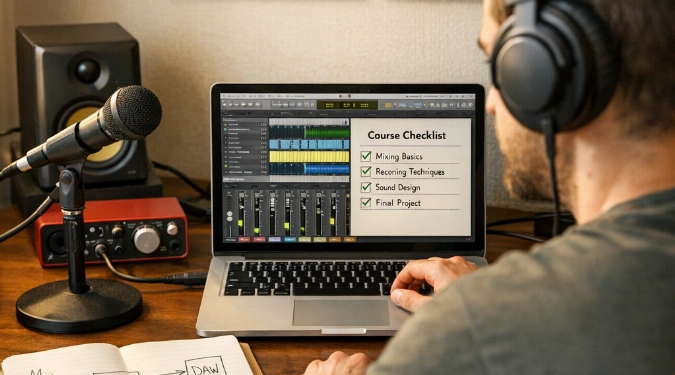
Choosing sound engineering education in 2026 isn’t about chasing a vague “creative dream.” It’s about selecting accredited, schedule-friendly programs that teach real session workflow, signal flow, and deliver a credential you can explain on day one in a studio, venue, or broadcast room.
What “Courses” Vs “Certifications” Mean In 2026
Sound engineering courses usually build skills in recording, editing, mixing, live sound, and troubleshooting. Certifications are separate credentials that validate specific competencies or products. Many learners stack both: a structured program for foundations, then a focused credential to prove a specialization.
When you compare options, look for clear outcomes: multitrack recording practice, mixing critiques, and repeatable system setup. This is where many engineering training courses differ—some emphasize software tutorials, while stronger programs require documented signal-flow decisions and deliverables.
Accredited And Schedule-Friendly Program Types
In 2026, the most common formats are campus-based, hybrid, and fully online. If you need flexibility, an online sound engineering course can work well when it includes weekly deadlines, instructor feedback, and projects that simulate client constraints (revisions, loudness targets, and file delivery specs).
Degree Programs And Transferable Credits
Schools such as Berklee College of Music (Berklee Online), Full Sail University, and SAE Institute are often compared because they offer structured curricula and portfolio-driven assignments. When “accredited” matters for your plans, confirm the institution’s accreditation status and whether credits transfer to other schools.
Diplomas And Short Programs
A sound engineering online diploma may be a good fit if you want focused training without general education requirements. Compare the syllabus for fundamentals (microphone types, gain staging, compression/EQ, routing) plus real deliverables like a mixed EP, a live-show input list, and recallable mix notes.
Core Skills A Strong Curriculum Should Teach
Good music production and sound engineering training covers the full chain: capturing clean audio, shaping tone, controlling dynamics, and delivering reliable playback across systems. Expect lessons on phase and polarity, bus routing, reverb choices, automation strategy, and session organization for collaboration.
You should also see troubleshooting baked in: diagnosing hum and ground loops, identifying clipping, managing latency, and preventing feedback in live settings. That practical “why did this break and how do I fix it fast?” mindset is central to sound engineering in real rooms.
Equipment And Software: What You Actually Need
You don’t need a commercial studio to learn well, but you do need consistency. A basic home kit typically includes closed-back headphones, an audio interface, a neutral mic, and room treatment basics. Common DAWs used in coursework include Pro Tools, Logic Pro, and Ableton Live; some programs accept Reaper as an alternative.
Many courses also teach familiarity with audio engineering equipment you’ll see outside home setups: Shure SM58/SM57 microphones, a Focusrite Scarlett-style interface category, and common live consoles such as the Yamaha CL/QL series or Avid VENUE. The point isn’t brand worship—it’s learning signal flow patterns that translate.
How To Evaluate Engineering Certification Courses
Engineering certification courses should map to a real workflow or platform: a defined exam or assessment, published objectives, and a credential you can verify. In audio, examples include Avid Pro Tools certifications and Dante Certification (Levels 1–3) for audio-over-IP routing.
Also consider vendor-neutral credentials that support your technical credibility, such as the Society of Broadcast Engineers (SBE) certifications (for broadcast engineering tracks). These can complement audio engineering certifications earned through DAW or network-audio platforms.
Typical Time And Cost Factors Without Guesswork
Program length often ranges from a few weeks (single-topic intensives) to one or two years (diplomas or degrees). Costs vary widely based on instructor access, lab resources, and whether you’re paying for credit-bearing tuition. Instead of hunting “deals,” compare what’s included: live feedback, graded mixes, lab time, and access to updated plugins or facilities.
If you plan to study sound engineering while working, prioritize predictable pacing and clear deliverables. A slower schedule with consistent critiques can outperform a fast program that leaves you alone with video lessons.
FAQs
Can An Online Program Still Be “Hands-On”?
Yes, if assignments require you to record real sources, submit multitrack sessions, and revise mixes after critique. Look for programs that grade documentation (routing charts, gain staging notes, export settings), not only final audio.
What Credential Matters More: A Diploma Or Certifications?
They serve different purposes. A diploma or degree shows structured training across topics, while certifications prove platform-specific competence. Many learners combine a broad program with a focused credential like Pro Tools or Dante.
How Do I Know If Sound Engineering Training Is Up To Date?
Check whether the curriculum includes loudness standards for delivery, modern collaboration practices (session exchange, stems), and current live-sound networking. Updated tools matter, but timeless fundamentals—gain structure, phase, monitoring—matter more.
Conclusion
This 2026 guide to sound engineering courses and certifications comes down to fit: choose an accredited or reputable program you can complete on your schedule, confirm it teaches practical workflow and troubleshooting, then add targeted credentials to validate specialized skills. With the right structure, you’ll build repeatable habits, a portfolio, and a credential trail that’s easy to explain.
Disclaimer: The information provided in this article is for educational and informational purposes only. It does not constitute professional advice. Readers should conduct their own research and consult with qualified professionals before making any decisions.