
20 Top U.S. Rehab Hospitals: Patient Guide to Care, Treatment & Locations
Choosing rehab after a stroke, injury, or major surgery can feel like guesswork. Every facility sounds similar, and referrals often come fast. You may also be juggling insurance rules, travel limits, and family support. This guide is for patients and caregivers who need a clear, confident way to choose.
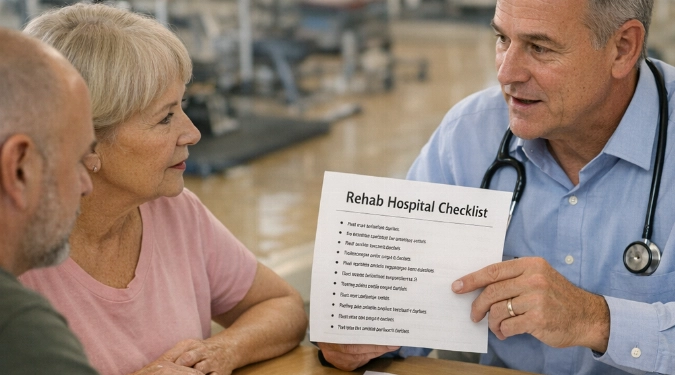
You will learn how to compare rehab hospitals like a clinician would. This guide shows what to ask, what to bring, and what “good therapy” looks like on day one. You’ll also get a vetted list of 20 respected programs to start calling today.
Care Types You’re Actually Comparing
Inpatient Rehab Hospital Unit (IRF): IRFs provide intensive therapy and daily physician oversight. Many plans expect about 3 hours of therapy on most days. IRF is often best after major stroke, trauma, or surgery.
Skilled Nursing Facility Rehab (SNF): SNFs can be useful when you cannot tolerate intensive therapy. Medical oversight is typically less frequent than an IRF. Therapy intensity and staffing vary widely by building.
Outpatient And Day Programs: Outpatient rehab fits when you can live at home safely. Look for neuro-specific PT, OT, and SLP if needed. Ask if they offer aquatic therapy, vestibular therapy, or driver rehab.
What To Pack And What To Ask For On Day One
Bring supportive shoes, loose clothing, and a written medication list. Bring glasses, hearing aids, and charging cables. Pack a small notebook for goals and daily questions.
Ask for three things early. Request a written weekly therapy schedule. Ask who your case manager is and how to reach them. Ask for a home equipment plan, even if discharge feels far away.
Rehab Hospitals Patients Commonly Seek Out
Use this list to build a call sheet. Confirm that the specific campus has an IRF program. Ask whether your diagnosis is a routine service line.
- Shirley Ryan AbilityLab (Chicago)
- Rehabilitation Institute of Chicago at Northwestern Medicine (Chicago)
- Spaulding Rehabilitation Hospital (Boston)
- Massachusetts General Hospital Institute of Health Professions rehab affiliates (Boston)
- Rusk Rehabilitation at NYU Langone (New York City)
- MossRehab (Philadelphia)
- MedStar National Rehabilitation Hospital (Washington)
- Johns Hopkins Physical Medicine and Rehabilitation programs (Baltimore)
- Kessler Institute for Rehabilitation (New Jersey)
Insurance And Cost Questions To Ask Before Transfer
Ask if the facility is in-network and whether pre-authorization is required. Request the diagnosis code and the IRF billing status in writing. Ask what your plan counts as “days” if you transfer between facilities.
For rough budgeting, ask for the daily patient responsibility estimate. Many patients see IRF cost sharing vary from $0 to $500 per day after plan rules apply. SNF copays often jump after day 20 on many plans. Always confirm your exact benefit.
How To Find Options In Your Zip Code
Start with the hospital discharge planner and ask for IRF and SNF lists. Then cross-check with CARF’s program directory and your insurer’s provider tool. If you are searching “treatment centers near me,” filter for “inpatient rehabilitation facility.”
For stroke, ask the discharge team for “rehab centers for stroke patients near me” that offer SLP, neuro OT, and high-intensity gait training. If you are comparing “best rehab facilities near me,” prioritize diagnosis volume and staffing consistency.
If you need “rehabilitation services near me” for a return-to-work plan, ask about neuropsychology and vocational rehab partners. When people search “best rehab in my area,” they often skip the step of asking about caregiver training. Do not skip it.
For state-specific searches like “best rehab in nc,” “best rehab in thomasville,” or “treatment centers in nc,” ask whether the campus has an IRF unit. Many listings are outpatient clinics or SNFs. The label matters.
FAQs Patients Ask After A Tour
What Therapy Details Should Show Up In My Plan? Look for clear goals, frequency, and who delivers each therapy. Ask for PT, OT, and SLP minutes per week. Ask how progress is measured, like gait speed or swallowing diet level.
How Do I Compare “Nice Rooms” Versus “Good Rehab”? Ask to observe a therapy gym session if allowed. Look for active coaching and safe intensity, not passive modalities. Ask how often patients practice real tasks, like stairs and car transfers.
What If The First Choice Has A Waitlist? Ask the admissions team what documents speed review. Use your second-choice IRF to avoid lost rehab time. You can request transfer later if medically appropriate.
Disclaimer: The information provided in this article is for educational and informational purposes only. It does not constitute professional advice. Readers should conduct their own research and consult with qualified professionals before making any decisions.