
13 Reasons Buyers Regret Electric Bike Purchases
Electric bikes can be life-changing, but the most common regrets are surprisingly predictable. This article breaks down 13 specific reasons buyers regret electric bike purchases, from heavy frames and real-world range drops to motor/class mismatches, comfort problems, brake limitations, battery replacement headaches, and lack of local service. You’ll also get a quick comparison table and practical FAQs so you can spot deal-breakers early and choose a bike you’ll actually enjoy riding every week.
Most electric-bike regret isn’t about “not liking bikes.” It’s about buying the wrong e-bike for your body, routes, storage, and repair reality. Below are 13 specific reasons buyers feel let down, plus what to check so you can avoid the common E-Bike Pitfalls and ride with confidence.
The 13 Reasons Buyers Regret Electric Bike Purchases
1) The Bike Is Heavier Than Expected
Many commuters discover too late that a 55–80 lb e-bike is hard to carry up stairs, lift onto a rack, or maneuver in a tight apartment hallway. Before you purchase wisely, practice lifting a similar-weight bike and confirm whether your storage and daily routine can handle it.
2) Range Claims Don’t Match Real Riding
Advertised range can drop sharply with hills, headwinds, cold weather, heavier riders, or using high assist. Ask for the battery’s watt-hours (for example, 500–720 Wh) and estimate range by your terrain, not marketing. This is a core part of making Smart E-Bike Choices.
3) The Motor Power Doesn’t Fit Your Terrain
A 250W hub motor may feel fine on flat paths but struggle on steep grades, while a 750W hub motor can feel punchy yet less efficient. Mid-drives like Bosch Performance Line or Shimano STEPS often climb better because they use the bike’s gears, but they cost more and need compatible drivetrains.
4) The Wrong Bike Class Creates Daily Friction
Confusion around Class 1 (pedal-assist to 20 mph), Class 2 (throttle to 20 mph), and Class 3 (pedal-assist to 28 mph) leads to regret when a trail, park, or commute expectation doesn’t match the bike’s capabilities. Learn Before You Buy by checking where you’ll actually ride and what class is allowed.
5) Fit And Geometry Cause Discomfort
Buyers often focus on speed and ignore reach, saddle shape, handlebar height, and step-through access. A poor fit can cause wrist pain, knee issues, or numbness, reducing E-Bike Satisfaction even if the motor is great. A quick test ride with seat and bar adjustments can reveal deal-breakers.
6) The Brakes Aren’t Up To E-Bike Speeds
At higher speeds and weights, weak brakes feel scary. Hydraulic disc brakes from Shimano or Tektro typically offer more consistent stopping than basic mechanical systems, especially on long descents. This is one of the Top E-Bike Mistakes because it shows up only after you ride faster than a regular bike.
7) Battery Removal And Charging Are Inconvenient
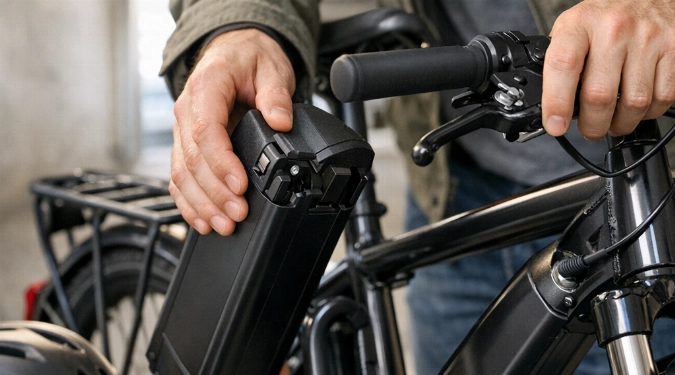
Regret often hits when you realize the battery is hard to remove, the charger is bulky, or your building has no safe place to charge. Confirm whether the battery is removable, how it locks, and whether you can charge at your destination without hassle to support Regret-Free Riding.
8) Replacement Batteries Are Costly Or Hard To Find
Some brands use proprietary packs that become unavailable, or require long lead times. Ask how long the manufacturer supports the battery model, typical replacement cost, and whether the pack uses name-brand cells. These Electric Bike Insights can prevent a “great bike, dead battery” situation.
9) Maintenance Needs Are Higher Than Expected
E-bikes wear chains, cassettes, and brake pads faster because they’re heavier and often ridden more. Mid-drives can accelerate drivetrain wear if shifting under load. Planning a maintenance budget and learning smooth shifting habits helps you Make Informed Decisions without surprises.
10) Limited Local Service Options
Many shops won’t service certain direct-to-consumer e-bikes, especially electrical issues. Before buying, call a local bike shop and ask whether they service your shortlisted brands or motor systems. This single step can help you Avoid Buyer’s Remorse.
11) Theft Risk And Insurance Reality
E-bikes are attractive targets, and replacing one can be expensive. Buyers regret skipping a high-quality lock (for example, a Sold Secure-rated U-lock) or secure storage. Also check whether renters/homeowners policies cover e-bikes or if a specific bike policy is needed.
12) Accessories And Total Setup Costs Surprise Buyers
Real-world commuting may require fenders, a rear rack, lights, a stronger kickstand, a helmet, and a lock. Some bikes need proprietary racks or lights that add cost and complexity. Understanding the full setup is how you Purchase Wisely for your actual use case.
13) Expectations Don’t Match Reality
Some buyers expect an e-bike to replace a car for every errand, or to feel effortless on every hill. E-bikes still require balance, braking skill, and weather planning. Setting realistic expectations is the fastest path to long-term E-Bike Satisfaction.
Quick Comparison Table: Match The Bike To The Regret You Want To Avoid
| Common Regret | What To Check Before Buying |
|---|---|
| Too heavy to carry/store | Total weight, battery removal, your stairs/rack limits |
| Not enough hill power | Motor type (mid vs hub), torque feel on a test hill |
| Range disappoints | Battery Wh, your terrain, assist level you’ll actually use |
| No local repairs | Nearby shop support for your brand/system |
FAQ
How Do I Know Which E-Bike Class I Need?
If you ride shared paths and want simplicity, Class 1 is widely accepted. If you need occasional throttle help for starts, Class 2 can be useful. If your commute is longer and you can ride where faster e-bikes are permitted, Class 3 may fit. Checking your typical routes first helps you learn before you buy.
What Range Should I Plan For In Real Life?
A practical approach is to plan for less than the maximum claim, especially with hills or cold days. Compare bikes by watt-hours and assume you’ll sometimes use higher assist. Planning conservatively supports regret-free riding because you’re less likely to end a trip with an empty battery.
Is Buying Online A Bad Idea?
Not always, but the risk is service and assembly quality. If you buy online, confirm local shop willingness to service it, understand warranty steps, and consider a professional safety check after delivery (brakes, axle nuts, torque settings). That’s one of the simplest ways to avoid buyer’s remorse.
What Features Matter Most For Comfort And Safety?
Fit and braking usually matter more than top speed. Prioritize a frame you can mount confidently, dependable hydraulic disc brakes, tire width appropriate for your surfaces, and contact points (saddle and grips) you can tolerate for 30–60 minutes.
Conclusion
Buyers regret electric bike purchases for consistent, predictable reasons: weight, range reality, motor mismatch, class confusion, poor fit, weak brakes, charging friction, battery support, maintenance, service gaps, theft risk, accessory surprises, and unrealistic expectations. Use these checkpoints to make informed decisions and aim for a setup that feels easy to live with every day.
Disclaimer: The information provided in this article is for educational and informational purposes only. It does not constitute professional advice. Readers should conduct their own research and consult with qualified professionals before making any decisions.